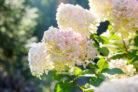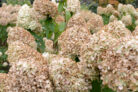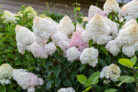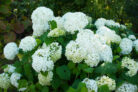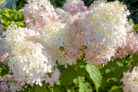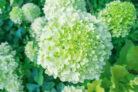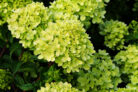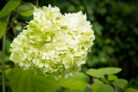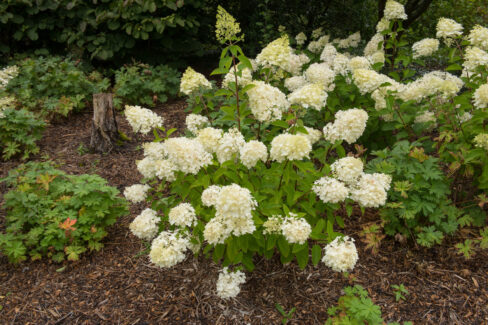
Panicle hydrangeas (Hydrangea paniculata) are some of the most easy-going, low-maintenance shrubs out there. They’ll surprise you every year with a stunning explosion of blooms! But even though they aren’t divas, they do have a few basic needs you should meet when planting to get the best results.
Location and Soil
Before you start digging, you’ve got to pick the right spot. Panicle hydrangeas love bright areas and do great in partial shade. They can handle full sun, but keep in mind that they’ll get thirstier and the flowers might wilt a bit faster in the heat. Most importantly, try to find a spot protected from the wind; those heavy flower heads can easily snap during a summer storm.
As for the soil, these beauties prefer it sandy, slightly loamy, and rich in nutrients. They like it “fresh” to moist but definitely not soggy. They aren’t big fans of lime and prefer a slightly acidic pH between 5.5 and 6. If your soil needs a little help, mixing in some peat-free acid-loving plant soil or rhododendron mix works wonders. Just make sure the soil drains well—while these hydrangeas can actually handle a few dry days, they absolutely hate “wet feet” (standing water).
Planting Your Hydrangea
Spring is the absolute best time to get your panicle hydrangea in the ground. Here’s how to do it right:
- Give your potted hydrangea a good soak in a bucket of water for a few minutes.
- While it’s soaking, dig a hole at your chosen spot. Make it at least one and a half times as large as the root ball.
- Mix the soil you dug out with some compost or acid-loving potting soil.
- Pour a watering can full of water into the hole to moisten it up.
- Remove the plant from its pot and set it in the hole.
- Fill the hole back up with your soil mix,
- press the soil down firmly with your hands, and
- finish it off with a nice drink of rainwater.
It’s also a great idea to mulch the root area right away with leaves, grass clippings, or bark mulch. I like to toss in a few handfuls of horn shavings (or a slow-release organic fertilizer) first to give it a head start. The mulch layer keeps the soil from drying out too fast. Pro tip: Create a small circular “watering rim” out of soil around the base of the plant to make sure the water goes straight to the roots.
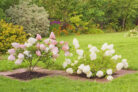
If you’re planting more than one, remember that these shrubs need plenty of elbow room! They can grow several feet tall and wide if you don’t keep them in check with pruning.
Panicle hydrangeas also grow beautifully in containers. If you’re a patio gardener, look for dwarf varieties like “Bobo” or “Dharuma.” Just make sure your pot has plenty of drainage holes so the roots don’t sit in water.