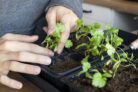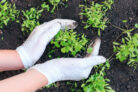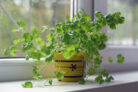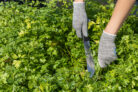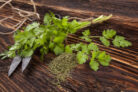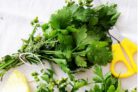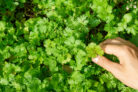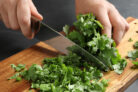
Harvesting your own herbs is about so much more than just leveling up your cooking. It’s the first step toward crafting your own herbal teas, soothing salves, and beautiful dried bouquets. Plus, it’s the best way to stock your pantry for those chilly winter months! But don’t stop at the leaves—harvesting your own seeds is a total game-changer if you want to grow your own plants for free next season.
Timing is Everything for Seed Harvesting
If you want to try your hand at plant propagation, you’ve got to be a bit of a garden detective. It’s all about timing! You need to keep a close eye on your plants so you can catch the seeds before they drop to the ground. On the flip side, don’t jump the gun; if you harvest them too early, they won’t be fully mature, which means they won’t sprout when spring rolls around.
When to Skip the Sowing
Before you tuck your seeds away, make sure to clean them up. Remove any leftover stems, leaves, or little garden critters, then pop them into a paper bag. If you’re feeling crafty, you can easily fold your own seed packets out of a standard sheet of paper! Just be sure to label each bag with the variety and the harvest date, and store them somewhere cool and dry.
Before you get started with your next sowing session, it’s a smart move to do a quick germination test. Just place a few seeds on a damp paper towel and wait. If less than half of them have sprouted after 12 to 15 days, it’s probably time to treat yourself to some fresh seeds—it’s just not worth the effort to plant old ones that won’t grow.
Growing Coriander: A Lesson in Patience
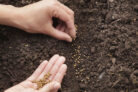
Growing coriander (cilantro) from seed is totally doable, but I’ll be honest—it takes its sweet time to germinate and get established. If you’re not in a rush, you can start sowing in April. Aim for rows about 12 inches apart, and give each plant about 6 inches of space within the row so they have room to breathe.
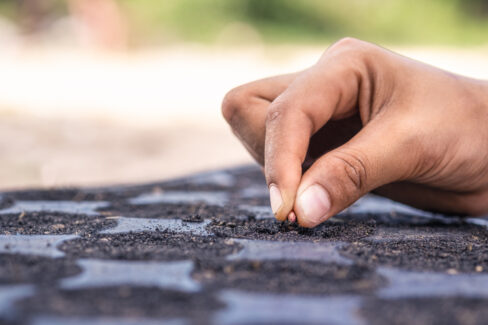
When picking a spot, look for somewhere sunny and warm. Coriander isn’t too picky about soil quality, but it absolutely hates “wet feet,” so make sure the area drains well. One pro tip: coriander is a light-germinator. This means the seeds need a little light to wake up, so don’t bury them deep—just barely cover them with about a quarter-inch of soil.