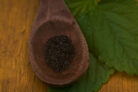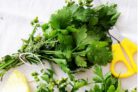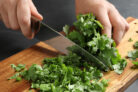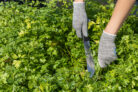
Cilantro is one of those herbs that people either love or hate, but there’s no denying it’s the superstar of Asian and Mexican cuisine. Whether you’re harvesting the fresh, citrusy leaves or using the seeds (coriander) as a warm spice, it’s incredibly versatile. From brightening up a salad or soup to seasoning fish and meat, it’s a must-have in any herb garden. Why not try growing your own?
Why you should start your cilantro indoors
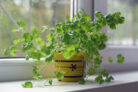
- If you’ve got seeds ready to go, you can start sowing them on a sunny windowsill or in a greenhouse starting in April.
- You don’t need fancy equipment; besides standard pots, you can use egg cartons or even damp paper towels to get them going.
- I always recommend starting cilantro indoors rather than direct-sowing outside. It can be a bit slow to germinate, and starting early means you won’t have to wait forever for your first harvest.
- Plants started in pots simply get a better head start on life.
- By growing them on a windowsill or in a greenhouse, you have total control over the soil quality, moisture, temperature, light, and—most importantly—keeping those pesky pests away.
Tips for successful sowing
- Keep it cool: The germination area shouldn’t get much warmer than 68°F (20°C).
- Use the right dirt: Fill your containers with a specialized seed-starting mix or a high-quality, peat-free potting compost.
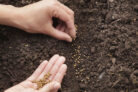
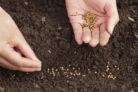
- Space them out: Try to distribute the seeds as evenly as possible.
- Water gently: Use tap water and a fine misting spray or a watering can with a rose attachment so you don’t wash the seeds away.
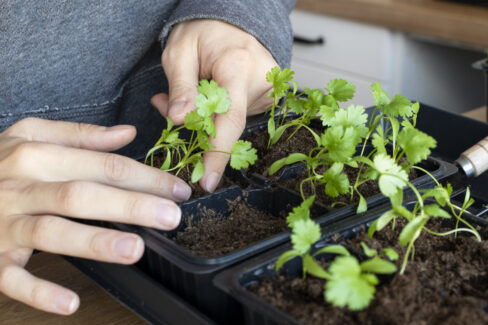
- Thin them out: If you started your seeds in a tray, you’ll need to “prick them out” and move the seedlings into individual pots once they’ve grown a bit.
When to get them in the ground
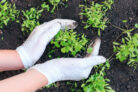
If you didn’t start your own seeds, don’t worry! You can usually find starter plants at garden centers or farmers’ markets starting in March. You can move your herbs outdoors as soon as the danger of frost has passed. If you’re nervous about a sudden cold snap, keep them in pots so you can easily bring them inside. A greenhouse is also a great “in-between” home. For home-grown seedlings, make sure to “harden them off” by putting them outside for a few hours each day, gradually increasing their time in the sun and wind.
What cilantro needs to thrive
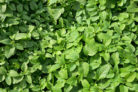
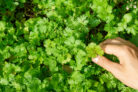
When planting, aim for rows about 12 inches apart, with at least 6 inches between each plant so they have room to breathe. Pick a spot that gets full sun to partial shade. You can usually start harvesting by June! Pro tip: Harvesting regularly actually delays flowering (bolting), which keeps the leaves tasty for longer. While standard cilantro is an annual, Vietnamese coriander is actually perennial if you give it a little extra help overwintering. Since regular cilantro drops its seeds after blooming, be sure to collect them for propagating your next batch next year!