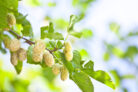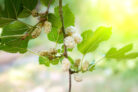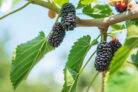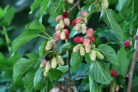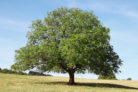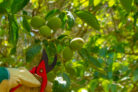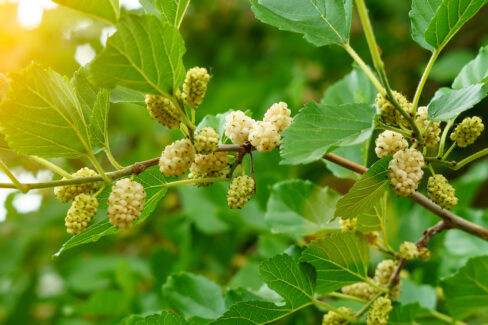
Under the right conditions, a mulberry tree can shoot up by about a foot and a half every single year! While these trees don’t necessarily *need* a haircut on a strict schedule, it’s definitely a good idea to prune them back occasionally if you’re working with a smaller garden space.
Spring Shaping: Keeping Things Under Control
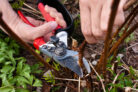
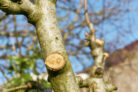
The absolute best time to prune your mulberry tree is in the spring. Generally, you’ll want to trim back about as much as the tree grew the previous year. If you’ve got plenty of room for the tree to spread its wings, you can get away with just tipping the branches. This encourages the tree to branch out more, which leads to more fruiting wood and, ultimately, a much bigger harvest.
Just a heads-up: if you have to hack the tree back aggressively every single year, your fruit yield is going to suffer. That’s why when you plant your mulberry, it’s super important to pick a spot where it has room to grow several feet high and wide. Giving it space is the best way to ensure you get those delicious berries every summer!
Maintenance Pruning for Dense Growth
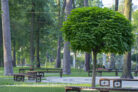
Mulberries naturally have a bit of a shrubby personality. If you want a more traditional “tree” look, you can train it by removing lower side shoots. Because they grow so densely and tend to reach upward, the inner branches can get shaded out—and remember, you only get fruit on the branches that soak up plenty of sun.
It’s a smart move to thin out your mulberry tree regularly. This doesn’t just encourage the growth of new, productive wood; it also ensures light reaches more branches, boosting your overall harvest. Plus, here’s a pro tip: you can use those healthy cuttings to propagate new mulberry trees from cuttings!
Pruning Potted Mulberries
Some varieties, like the Red Mulberry, aren’t fans of freezing temperatures and need to spend their winters safely indoors. If you’re growing a mulberry in a pot, regular pruning is a must—otherwise, it’ll outgrow its container before you know it.
The trade-off is that potted trees usually produce less fruit, but in these cases, it’s usually more about the aesthetic anyway. Red mulberries make gorgeous ornamental plants that look fantastic in front yards or framing an entryway.