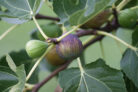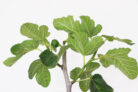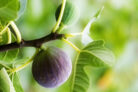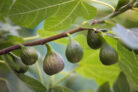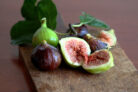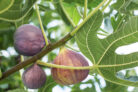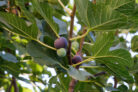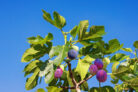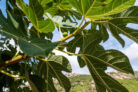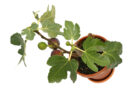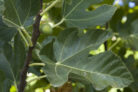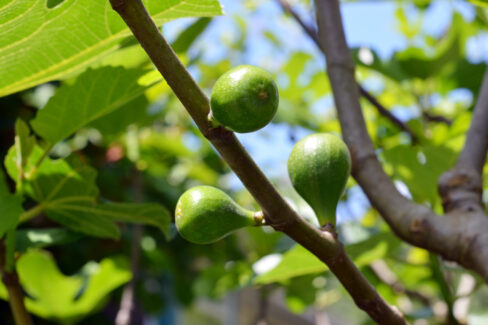
Nothing says “Mediterranean vacation” quite like a fig tree, but here’s a little secret: you don’t need to live in Italy to grow them! These beauties actually do surprisingly well in cooler climates if you give them a little TLC. If you’re looking to add a fig tree to your garden, here are a few tips to make sure it thrives.
The Perfect Spot
Coming from the Mediterranean, figs are total sun-worshippers. Whether you’re planting your tree directly in the ground or keeping it in a pot on your balcony, the rule is simple: more sun equals more fruit. Plus, a sunny spot helps the tree handle the winter chill much better.
Try to find a spot that’s sheltered from the wind. Drafty areas can stunt flower growth and get much colder during the winter. My favorite trick? Plant your fig near a south-facing wall. The wall soaks up heat during the day and radiates it back to the tree at night—your fig will love you for it!
Soil and Substrate
Figs aren’t too picky, but they do best in soil that’s rich in nutrients and drains well. If you’re planting in a container, a high-quality potting soil works great. For trees going into the ground, I recommend mixing in some compost to give the soil a boost. To keep things airy and prevent soggy roots, try mixing in some lava rock or perlite.
Aim for a soil pH that’s neutral to slightly acidic—somewhere between 6.0 and 7.0 is the sweet spot.
How to Plant Your Fig Tree
Timing is everything! The best time to plant or transplant a fig tree is in the spring. You can also plant in early autumn, but make sure it’s in the ground by September at the latest. This goes for potted figs, too—they need enough time to establish their roots before the first frost hits.
Step-by-Step Planting Guide:
- Dig a hole twice as wide and deep as the root ball.
- If your soil is heavy or compacted, add a layer of gravel or sand at the bottom for drainage.
- Throw in a layer of your soil/compost mix.
- Set your fig tree in the hole.
- Fill the rest of the hole with your substrate.
- Stake the tree if it feels a bit wobbly.
- Give it a good, long drink of water.
If you’re planting in a container, make sure the pot is at least twice the size of the root ball and always put a layer of expanded clay or lava rock at the bottom for drainage.
Watering and Feeding
Figs like to stay hydrated, but they hate “wet feet.” You want the soil to be consistently moist, but never waterlogged. Too much standing water is a recipe for root rot, which is usually why figs get those dreaded brown leaves.
When the tree is flowering and fruiting, it needs plenty of energy. I like to give mine a base feeding of slow-release fertilizer (like compost) in the spring, then follow up with a liquid fruit and vegetable fertilizer throughout the growing season.
Propagating with Cuttings
Want more trees for free? Figs are incredibly easy to grow from cuttings! You can take a tip cutting or a side shoot and simply pop it in a glass of water. Once you see a healthy set of roots developing, you can move it into its own pot. Happy gardening!