If you’re dreaming of a backyard filled with sea buckthorn trees or maybe even a long, beautiful hedge, you might notice your wallet feeling a bit light. Let’s be real: sea buckthorn isn’t exactly the cheapest sapling at the nursery. The good news? You don’t have to keep buying them! Learning how to propagate these hardy shrubs is a total game-changer for your garden and your budget.
How to Propagate Sea Buckthorn
When it comes to growing new sea buckthorn plants, you’ve got a few options on the table:
- Layering
- Root suckers (runners)
- Cuttings
- Seeds
Each method has its pros and cons, but I’ll give you a heads-up right now: starting from seed is usually more trouble than it’s worth. It takes forever! Let’s look at the better ways to get the job done.
Propagation via Layering
Young, flexible sea buckthorn shoots are perfect for layering. Simply take a long, low-growing branch and bend it down until it touches the ground. Dig a shallow trench, pin the branch down into the soil, and cover it with a little dirt. If it wants to pop back up, just weigh it down with a stone. The secret sauce here is keeping that spot moist while it works its magic.
Over time, that buried section will grow its own root system. By the following year, you’ll have a brand-new, independent plant ready to be snipped away from the “mother” and moved to its forever home.
Propagation via Root Suckers
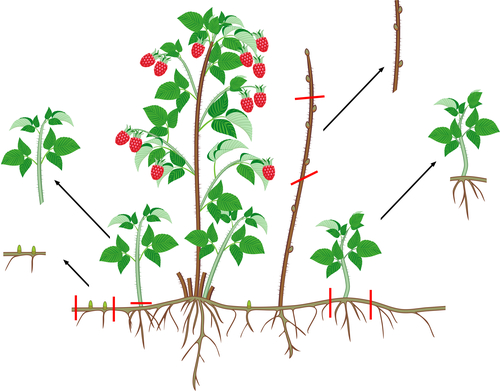
In the wild, sea buckthorn is a bit of a wanderer. It naturally sends out underground runners (suckers) to expand its territory. This is hands-down the easiest way to get new plants. You just dig up one of these “babies” that has popped up near the main shrub. Just a fair warning: while this makes propagation a breeze, keep an eye on it—sea buckthorn can sometimes get a little *too* cozy and spread further than you intended!
Propagation via Cuttings
I’ll be honest with you—cuttings can be a bit finicky and don’t always take. But if you’re up for a little garden experiment, you can try semi-hardwood cuttings in the summer or hardwood cuttings in the fall. To increase your odds of success, I recommend starting several at once.
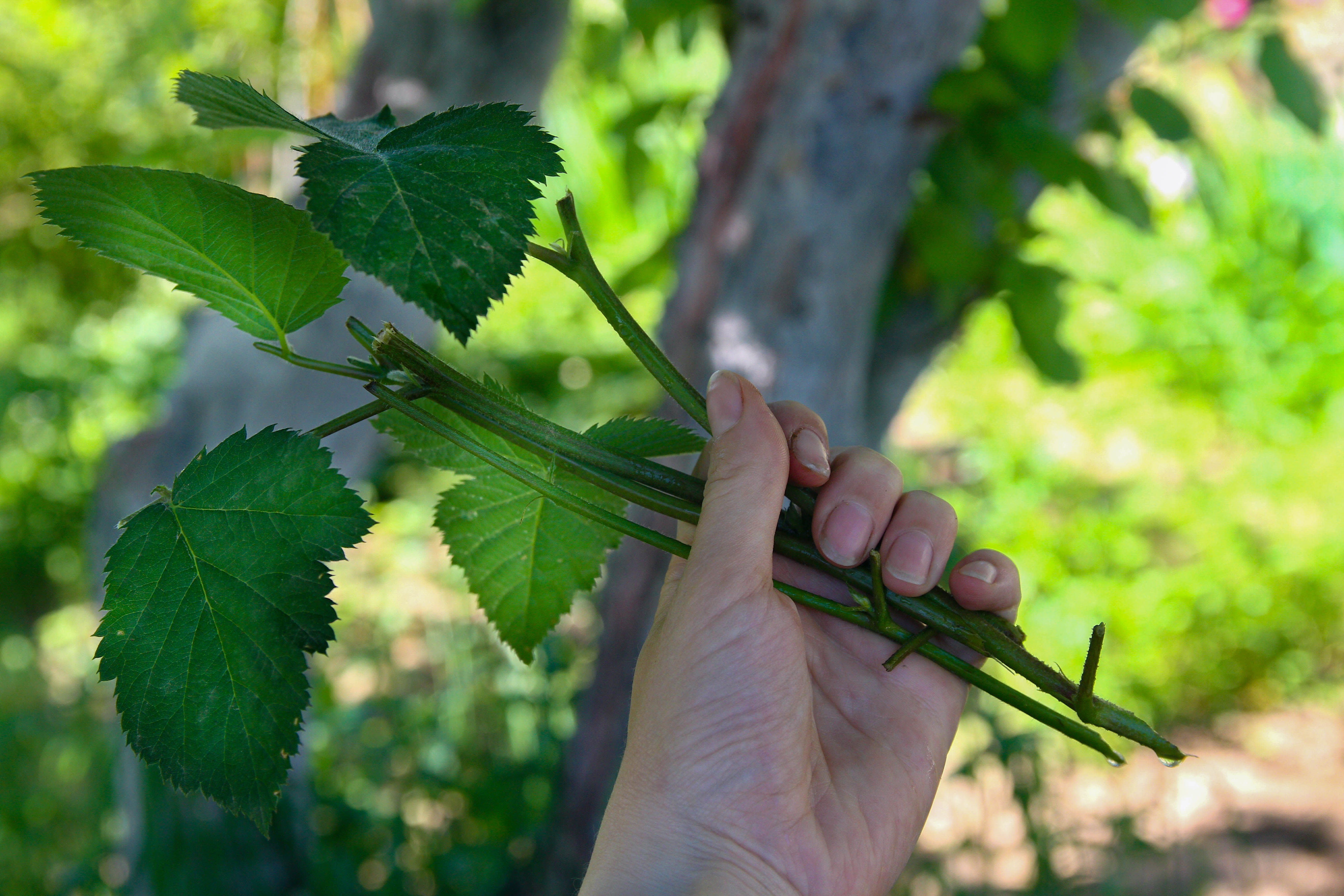
Cut a few branches that are at least 8 inches long. Strip off the lower leaves and place them in a glass of water or a pot with starter soil. Keep them in a cool, bright spot while you wait for those roots to appear.
Propagation via Seeds
As I mentioned earlier, growing from seed is a test of patience. But there’s a bigger catch: sea buckthorn is dioecious, meaning plants are either male or female. Since only the females produce those vitamin-packed berries, growing from seed is a total gamble—you won’t know the “gender” of your plant for years. Save yourself the headache and stick to the other methods so you know exactly what you’re getting!