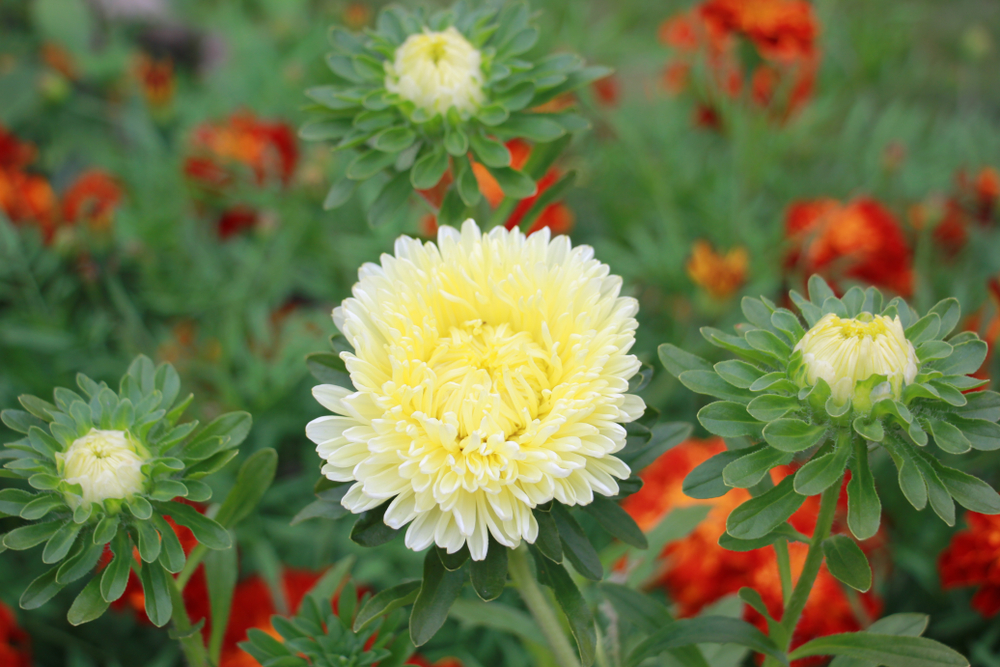
Asters are the absolute stars of the garden, bringing a massive burst of color almost all year round. While they really hit their peak in the fall with countless varieties to choose from, there’s often a bit of confusion about their safety. You might know that Chrysanthemums are technically part of the Aster family and are toxic to kids and pets—so, it’s natural to wonder: are garden asters poisonous too?
Good News: Asters are Non-Toxic
These beautiful perennials can brighten up your yard in various shades from May all the way through November. Some of the most popular types you’ll run into are:
- New England Asters
- Fall Asters (Cushion Asters)
- Alpine Asters
- New York Asters
The great news is that all of these species—and their many hybrids—are completely non-toxic to humans. Your furry friends are safe, too; if your dog or cat decides to take a nibble on a leaf or a flower, there’s no need to panic. But asters aren’t just safe to have around; they’re actually edible!
- Using Asters in the Kitchen
Since all true asters are non-toxic, you can actually use the leaves and flowers as a beautiful, edible garnish for your favorite dishes.
The brightly colored blooms are surprisingly aromatic. If you want to get creative in the kitchen, try tossing some aster petals into a summer salad for a serious “wow” factor. Just a quick tip: if you plan on eating them, make sure they’re homegrown or organic. Avoid eating plants fresh from the garden center, as they’ve likely been treated with pesticides or fungicides. Give them a season or two in your own organic soil first!
The Exception: Watch Out for Chrysanthemums
While true asters are safe, you’ll often see decorative Chrysanthemums (mums) blooming right alongside them in the fall. Even though they are cousins, some Chrysanthemum varieties are quite toxic. Specifically, the *Tanacetum* species are the ones to watch out for. They contain pyrethrum, a natural compound used in many insecticides.
Keep a close eye on kids and especially pets—like dogs, cats, rabbits, or even livestock—to make sure they don’t snack on these. Ingesting them can lead to nasty symptoms like irritated mucous membranes, dizziness, and in severe cases, liver failure or even blindness.