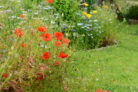
Everyone knows the red corn poppy for its stunning, vibrant blooms, but have you ever taken a closer look at its foliage? It’s actually worth a second glance! The leaves play a huge role in the plant’s life, and they have some pretty unique characteristics. In this post, we’re diving into everything you need to know about poppy leaves.
Visual Characteristics
- Rough to the touch
- Hairy and bristly
- Single to double pinnate (deeply lobed)
- Up to 6 inches long
- Coarsely indented
- Lance-shaped
- Sharply serrated edges
Ways to Use Them
Poppy leaves aren’t just there to store nutrients for the plant; they can actually be a fun addition to your kitchen or even serve as a natural winter mulch for your garden. Sounds pretty cool, right? Let’s get into the details:
Cooking with Poppy Leaves
Did you know you can actually eat corn poppy leaves? Just like many other wild greens, they make a great alternative to your standard store-bought lettuce. While they aren’t exactly a “superfood” with medicinal properties, their flavor profile is definitely a pleasant surprise. If you’re expecting something bland or dry, think again! Raw poppy leaves have an intense flavor reminiscent of hazelnuts and cucumber. They add a wonderful “zing” to wild herb salads and even work great sautéed. If you’re out of spinach, your garden has you covered for a healthy side dish. For the best taste, harvest the young, tender leaves before the plant starts to bloom.
Pro Tip: You should only eat poppy leaves in moderation. The milky sap is full of tannins, mucilage, and alkaloids. If you eat too much, those compounds can cause symptoms like nausea, vomiting, stomach cramps, or even a racing heart and fatigue. Animals are especially sensitive to this, so make sure to keep your livestock away from poppy patches.
Using Leaves as Winter Protection
Most gardeners cut back their poppies in late summer once the blooming season is over. But don’t toss those spent flowers and leaves into the compost bin just yet! Instead, spread the clippings around the base of the plant. This creates a natural mulch that protects the roots from freezing temperatures, allowing you to save your evergreen brush or straw for other plants in the garden.