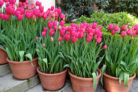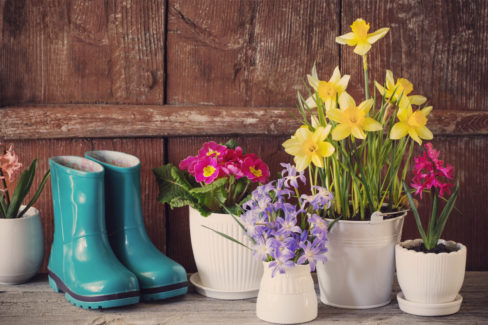
For us plant lovers, spring can’t come soon enough. We’re all itching to see those first pops of color after a long winter, which is exactly why spring bloomers are so incredibly popular. The best part? You don’t even need a huge garden plot to enjoy them—they look absolutely stunning in pots and containers, provided you give them a little TLC.
Getting a Head Start on the Season
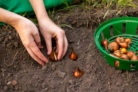
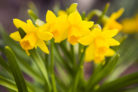
If you planted your spring bulbs like tulips, daffodils, and crocuses back in the fall, they usually take their sweet time to wake up. However, you’ve probably noticed that garden centers and home improvement stores have them blooming on the shelves way earlier. That’s because those pros use greenhouses to “force” the bulbs, essentially tricking them into thinking winter is over. It’s a bit tough to pull that off at home, so if your bulbs are already in the ground, you’ll just have to be patient until the weather truly warms up.
Get Creative with Your Containers
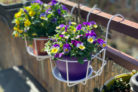
When we talk about “potted” spring flowers, don’t feel like you’re stuck with basic terracotta! This is the perfect time to get a little whimsical with your decor. You can turn almost anything into a planter—think vintage wooden crates, old coffee pots, or rustic zinc tubs. It gives your porch or patio a totally unique, personal vibe. Just a quick pro-tip: make sure whatever you use has proper drainage so your plants don’t get “wet feet.” If you can’t drill holes in it, make sure to add a solid drainage layer at the bottom using:
- Expanded clay pebbles
- Gravel
- Broken ceramic shards
Watch Out for Those Chilly Nights
Here’s the thing about those gorgeous store-bought plants: they’ve been living a pampered life in a warm greenhouse and aren’t quite toughened up for the outdoor elements yet. If there’s still a threat of overnight frost, play it safe and bring your pots inside every evening. Once the danger of frost has passed (usually by mid-May), they’re safe to stay out 24/7. The same rule applies if you’re planning on eventually transplanting those beauties out of their pots and into your garden beds!