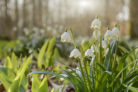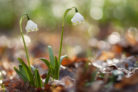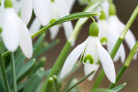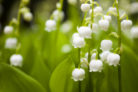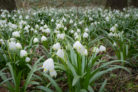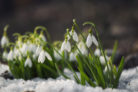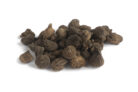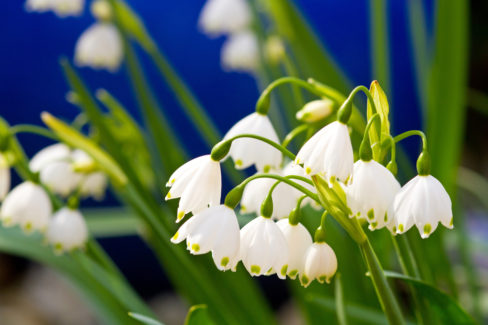
The elegant Spring Snowflake (also known as the Leucojum vernum) is a stunning member of the Amaryllis family. You don’t see these in every backyard, which is exactly why planting them is such a great move—they’re a total conversation starter and a real standout in any spring garden.
The Best Time to Plant
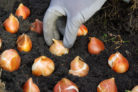
Garden centers and nurseries usually start stocking these bulbs right when it’s time to get them in the ground. For the best results, you’ll want to plant your Spring Snowflakes between September and November. Just make sure the ground isn’t frozen yet; you want to get those bulbs tucked in before the first hard frost hits.
Prepping the Soil and Planting Your Bulbs
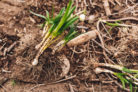
Since these are bulb plants, the soil at your planting site needs a little TLC first. Give it a good loosen and clear out any rocks or debris. If your garden soil is looking a bit tired, mix in some compost to give it a nutrient boost. Adding a bit of bark mulch or rhododendron soil can also help create a rich environment and keep the bulbs from drying out.
Quick Planting Guide
- Plant between September and November.
- Choose a day when the ground isn’t frozen.
- Loosen the soil and clear away weeds or obstacles first.
- Planting depth: About two to three times the height of the bulb (roughly 4 inches).
- Spacing: About 4 to 8 inches apart, or 2 to 4 inches if you’re planting them in cozy groups.
Growing Spring Snowflakes in Containers
If you’re wondering whether these beauties can grow in pots—the answer is a big yes! The key is using the right soil. They love a high humus content, so mixing in some compost is a smart move. For a gorgeous spring display, try pairing them with other early bloomers like Winter Aconite or Crocuses.
Pests and Diseases
Keep an eye out for voles, as they occasionally like to snack on the bulbs. A great hack to prevent this is using planting baskets—just place the bulbs inside the basket before burying them. You might also run into the Narcissus bulb fly. These pests lay eggs on the plants, and the larvae then burrow into the bulb to eat the leaves and flower stalks from the inside out. A warm water treatment is usually the best way to handle that situation.
Are Spring Snowflakes Winter Hardy?
Good news: you don’t need to worry about the cold! These plants are incredibly hardy and can withstand temperatures as low as -31°F (-35°C). They don’t need extra winter protection, but you do need to make sure the soil doesn’t completely dry out during the winter months. Give them a little water on frost-free days if needed, but just be careful not to let the soil get waterlogged.