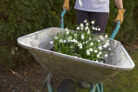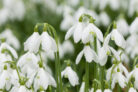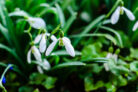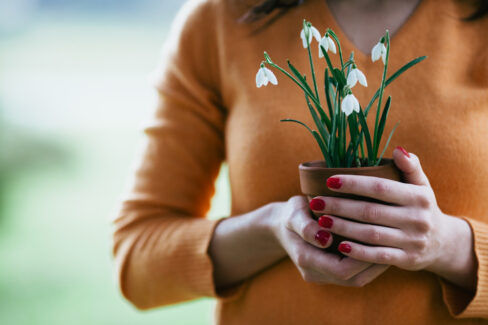
Snowdrops are the ultimate sign that spring is finally on its way! These tough little beauties are usually the very first flowers to pop up and brighten the garden after a long winter. While we usually see these delicate white blooms tucked into garden beds, they actually do surprisingly well in pots and containers, too.
Growing Snowdrops in Pots and Containers
Snowdrops are famous for poking their heads through the snow to find the light. If you grow them in pots, they make the perfect early-season decoration for your balcony or patio.
The Best Spot
Potted snowdrops much prefer partial shade or full shade. If they sit in the direct sun, they’ll dry out way too fast. Great spots to set your containers include:
- On the balcony
- Out on the patio
- Right by the front door to welcome guests
- In front of a garden shed, greenhouse, or tool hut
The Soil
Snowdrops aren’t too picky, but they do love well-draining garden soil. Aim for something loose, rich in organic matter (humus), and slightly alkaline. The most important thing is to keep the soil consistently moist.
How to Plant Your Snowdrops
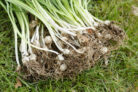
These little bulbs need a pot that is about four times as deep as the bulb itself. To prevent “wet feet” (root rot), always start with a drainage layer of broken terracotta shards or pebbles at the bottom. Add a layer of soil, then set your bulbs in with the pointy side facing up. Usually, about five bulbs fit comfortably in a standard small pot. Cover them with at least 2 inches (5 cm) of potting soil.
The best time to plant is in the fall, between September and November. If you missed the boat on fall planting, you can usually find pre-potted snowdrops at garden centers starting in late January.
Care and Maintenance
Taking care of snowdrops is a breeze! There are really only two main things to keep in mind. First, regular watering is key to keeping them happy, but make sure that extra water can drain away so the roots don’t rot. Second, during their growing and blooming season (which can run from October through April depending on the variety), give them a little boost with liquid fertilizer every two weeks.
One pro-tip: pinch off the wilted flowers so the plant doesn’t waste energy trying to produce seeds. Creating those seed pods takes a lot of strength away from the bulb, so deadheading helps ensure the plant stays strong for next year!