Americans love their potatoes—whether they’re mashed, fried, or baked, they are a staple on dinner tables across the country. The best part? They are incredibly rewarding to grow in your own backyard! If you want to get a head start on a bumper crop, “chitting” (or pre-sprouting) is the way to go. Follow these simple tips to ensure your potato patch is a success this season.
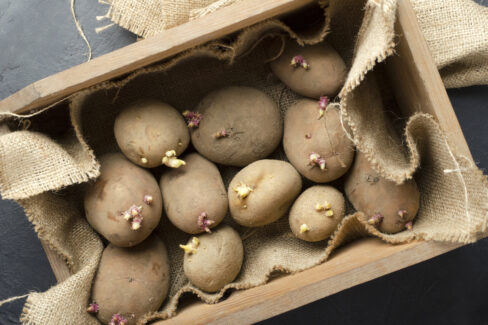
Sprouting your seed potatoes in a crate
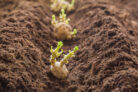
Starting in February, you can get your seed potatoes ready for action by sprouting them in airy wooden crates or even egg cartons. You don’t even need to add soil or compost at this stage! Just find a bright, airy spot in your home or garage that stays around 50 to 60°F. Plan for this process to take about six weeks. The trick is to lay the tubers out in a single layer with the “eyes” facing upward so they get plenty of light. You’ll know they’re ready when you see short, sturdy green shoots. If any potatoes haven’t sprouted by the end of the window, it’s best to toss them out.
Getting your sprouted potatoes ready for the garden
Before you get to planting, you’ll want to “harden off” your sprouted potatoes for a few days. This just means letting them get used to the outdoor air in a cool, sheltered spot (around 40-45°F), like a covered porch. Once the soil is frost-free and the outdoor temperature is consistently at least 46°F, they are ready for the ground. Aim for a planting distance of about 12 inches apart. Place the potato in the soil and cover it with about 2 inches of dirt.
Hilling up your potato plants
As your plants grow, you’ll need to “hill” them. This means mounding soil around the stems once they reach about 4 inches high, and then doing it again a bit later. Eventually, you’ll have a ridge about 8 inches high. This is where the magic happens: the plant sends out underground stems (stolons) where the new potatoes grow. It’s super important to keep those growing tubers covered and away from sunlight. If they get exposed to light, they turn green and produce toxins, making them unsafe to eat after the harvest.
Speed up growth with a little cover
If you’re eager to harvest early, you can speed things up in March and April by covering your garden bed with garden fleece, plastic film, or straw. Just make sure you’ve dug furrows between the rows so you still have soil available for hilling. The extra warmth under a cover really kicks the growth into high gear. Just keep an eye on the weather—if it gets too sunny, it can get toasted under there! Usually, you’ll want to remove the covers by mid-May to prevent overheating.