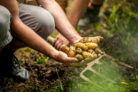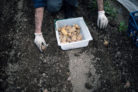
Potatoes are truly impressive plants, and let’s be honest—their blossoms are actually quite beautiful! If you’ve been dreaming of harvesting your own homegrown spuds right from your backyard or balcony, you’re in the right place. Here’s everything you need to know to get started.
The Best Soil for Your Spuds
Potatoes are happiest in loose, sandy soil that’s rich in organic matter. If you give them a spot with full sun, they’ll really take off! If your garden has heavy, clay-like soil, don’t worry—just do a little prep work the year before by digging it up and mixing in some compost or sand. Planting “green manure” like deep-rooted lupines is another great way to naturally loosen up the earth.
Keep in mind that potatoes are “heavy feeders,” meaning they soak up a ton of nutrients from the ground. To keep your soil healthy, it’s best to rotate your crops and only plant potatoes in the same spot once every four years.
To get your bed ready, mix in some well-rotted manure or compost. Doing this in the fall is ideal, but you can still prep the soil in early spring and get great results.
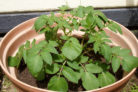
Short on space? You can absolutely grow potatoes in containers ! Just grab a pot that’s at least 12 inches wide, fill it with high-quality potting soil, and you’re good to go.
Planting Your Potatoes
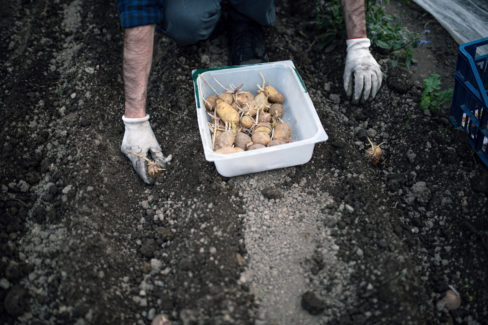
For the best head start, you’ll want to “chit” (or pre-sprout) your seed potatoes. Place them in a bright spot kept around 50-60°F. After about four weeks, you’ll see sturdy little sprouts starting to grow.
- Create rows in your garden bed spaced about 20 inches apart and add a layer of compost.
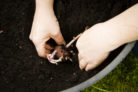
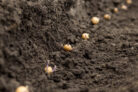
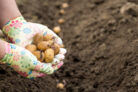
- Carefully place your sprouted potatoes into the rows, about 2 inches deep.
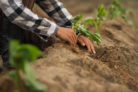
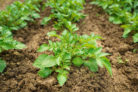
- Cover them with soil and “hill” the earth up around the row.
- Pro tip: Sow some marigolds or calendula between your potato plants—they make great companions!
- If a late spring cold snap hits, feel free to toss some garden fleece over the rows to keep them cozy.
Quick Tip: If you want to try something unique, look for heirloom varieties like Bamberger Hörnchen, Pink Fir Apple, Shetland Black, or Galactica.
Care and Maintenance
Potatoes love a steady supply of water, and rainwater is actually their favorite. It’s best to water them in the morning so the leaves have time to dry off during the day. This is the best way to prevent the dreaded late blight .
Whatever you do, avoid waterlogging the soil. If it’s been raining a lot, skip the watering can! About two to three weeks before you plan to harvest , stop fertilizing and watering altogether. This helps the skins toughen up so the tubers can fully mature. Keep a close eye out for pests or signs of disease throughout the season—catching things early makes a huge difference.
One last tip: You can actually save some of your own harvest to use as seed potatoes for next year! Just make sure to store them in a cool, dark place, like a basement or cellar.