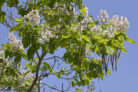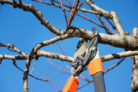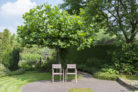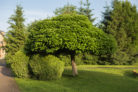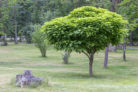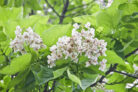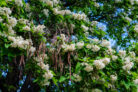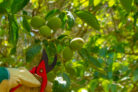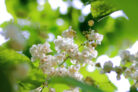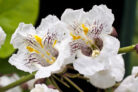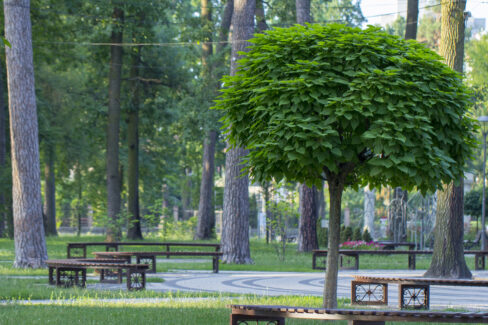
Giving your Catalpa tree (also known as the Southern Bean Tree) a regular trim isn’t just about keeping its wild growth in check—it’s the secret to keeping that gorgeous shape and a polished look for your backyard. If you’re wondering how to tackle this task, you’re in the right place. Let’s dive into the best way to prune your Catalpa.
Catalpas Love a Good Trim
The good news is that Catalpas are incredibly resilient and handle pruning like a champ. Even a heavy cut-back usually isn’t a problem for these hardy trees. In fact, regular pruning is actually the key to encouraging fresh new growth and a nice, dense canopy.
How to Prune Like a Pro
When you’re ready to head out with your shears, follow this simple game plan for the best results:
- Always use sharp, sanitized tools. Clean blades prevent the spread of nasty pathogens through the open cuts.
- Start by thinning out the crown. Snip off any dead wood right at the base—don’t leave any “stubs” sticking out.
- Next, look for branches that are crossing over each other, growing inward toward the trunk, or shooting straight up vertically. These have to go!
- For the thicker branches, grab a saw. Once you’ve made the cut, use a knife to smooth out any rough edges.
Timing is Everything
Generally speaking, there are only two ideal windows for pruning your Catalpa:
- Late winter/Early spring
- August
The Early Spring Pruning
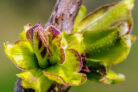
If you decide to prune in late winter or very early spring, you have to be careful not to snip off the flower buds. Catalpas actually start setting their buds for the following year right after they finish blooming. If you get too aggressive now, you might miss out on those beautiful flowers this summer.
The August Pruning
August is a “sweet spot” because it falls right between the end of the blooming season and the formation of next year’s buds. You’re much less likely to accidentally cut off future flowers. Plus, pruning on a warm, sunny day helps the tree seal its wounds much faster.
When to Put the Shears Away
Try to stick to those two windows. Pruning at other times of the year isn’t ideal and should really only be done in an emergency. For example, pruning in mid-spring while the tree is actively blooming can cause “bleeding” (excessive sap loss), which stresses the tree and increases the risk of infection.
I also recommend avoiding fall or winter pruning. The tree is already hunkering down for the cold, and cutting it back during the dormant season can weaken its natural defenses.
Pollarding: The “Hard Reset”
Sometimes, you might need to go for a more drastic approach called pollarding (or “topping”). This is usually a last resort if your tree has been hit by a fungal disease, severe frost, or storm damage.
In this case, you’d cut the crown back almost to the main trunk or leave just a few main structural branches. You’ll need some patience while it grows back, but the silver lining? The new leaves that grow back after a hard reset are often even bigger and more lush than before!