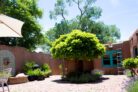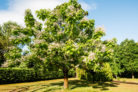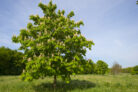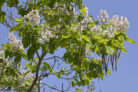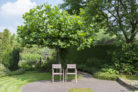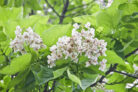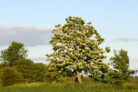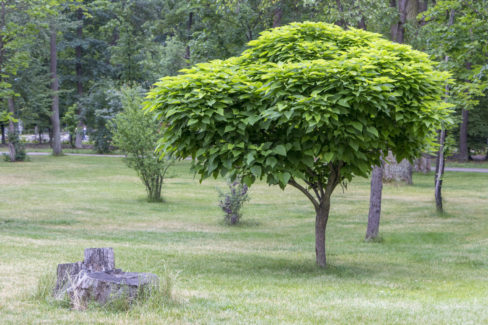
Some plants are favorites not just for their flowers, but for their unique, eye-catching foliage—and the Dwarf Catalpa (also known as the Umbrella Tree) is a perfect example. If you want this beauty to thrive in your yard, there are a few key things you need to keep in mind.
Finding the Perfect Spot
The common Catalpa is actually native to the southern United States, so it’s no surprise that this tree absolutely loves the warmth and sun. When picking a spot for your Dwarf Catalpa, aim for the sunniest area in your garden. You’ll also want to choose a location that’s relatively sheltered; young trees can be a bit sensitive and don’t handle harsh frosts very well.
It’s All About the Soil
Getting your tree off to a good start depends heavily on the soil it’s planted in. You’re looking for a well-draining mix. While the Dwarf Catalpa likes consistent moisture, it definitely doesn’t want “wet feet” (standing water). These trees are also heavy feeders, so they need nutrient-rich soil to really take off. You can give yours a boost by mixing in some fertilizer. Great options for these trees include:
- Mature compost
- Horn meal or bone meal
- A balanced, all-purpose fertilizer
A Plant That Takes Its Time
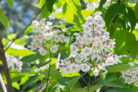
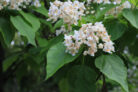
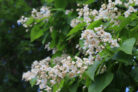
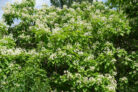
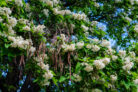
The better you feed your tree, the better your chances of seeing it in bloom later on. Just a heads-up: don’t expect flowers on a young tree. It usually takes at least five or six years before you see any blossoms, if they appear at all. The Dwarf Catalpa is also a bit of a “late sleeper” in the spring. You usually won’t see the new growth start until May. To make matters worse, the leaves often drop before the first frost hits. That’s why it’s so important to provide the best possible conditions from day one—it helps the leaves sprout as early as possible and stay on the branches just a little bit longer.