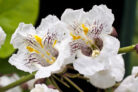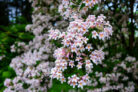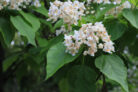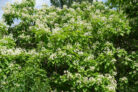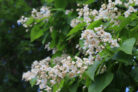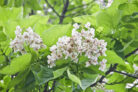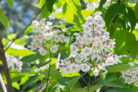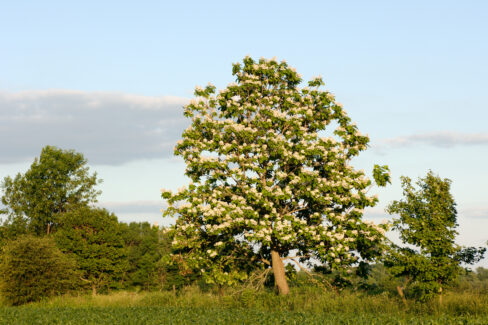
The Southern Catalpa (or Trumpet Tree) is a real showstopper in any yard, thanks to its unique look and those stunning clusters of white flowers. While the bloom window is relatively short, it’s definitely the highlight of the season!
A Closer Look at the Blooms
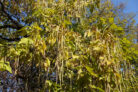
The flowers of the Catalpa tree are typically white, but if you look closely, they have beautiful yellow and purple streaks and spots inside. They actually look a lot like orchids! These blossoms give off a subtle, sweet scent that acts like a magnet for pollinators. Bees and bumblebees love them, and they’re the ones responsible for pollinating the flowers so the tree can produce its signature seed pods.
When to Expect Flowers
Don’t blink, or you might miss them! The white blossoms have a fairly short blooming period. The little buds start to open up in late spring or early summer, usually hitting their peak glory during June and July.
Why Your Tree Might Not Be Blooming
It’s worth noting that not every Catalpa tree is a flowering machine. Some varieties, especially the popular “Nana” (the Umbrella Catalpa), produce very few flowers—if they bloom at all. Even when they do, it usually takes several years for the tree to get established first.
In fact, most Catalpa species are late bloomers. It’s totally normal to wait five or six years before you see your first flower. This is especially true for varieties like:
- The Purple-Leaf Catalpa (Catalpa x erubescens ‘Purpurea’)
- The Golden Catalpa (Catalpa bignonioides ‘Aurea’)
Tips for a Spectacular Bloom
While you can’t exactly make the flowers last longer, you can definitely help the tree produce a more impressive display with the right TLC. First off, make sure you’ve picked the perfect spot—these trees crave plenty of sunshine. You’ll also want to keep your tree happy with consistent watering and the right nutrients.
One pro tip: the tree actually starts setting its flower buds for next year in the fall. This means you should be very careful with pruning late in the season. If you trim it back in the fall, you might accidentally cut off next year’s flowers before they even have a chance to start!