Growing your own blueberries is such a rewarding project! There’s nothing quite like stepping into your backyard for a handful of fresh, juicy berries during the summer. Plus, with a little bit of know-how, you can actually propagate these shrubs yourself to expand your harvest. Let’s dive into how it’s done.
Why You’ll Love Growing Blueberries
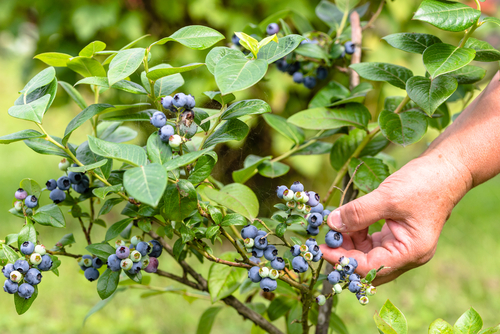
Blueberries are incredibly versatile—you can plant them as standalone shrubs, line them up as a hedge, or even grow them in large pots on your patio. As long as you nail the location and soil conditions, these plants are absolute workhorses. The golden rule? They need acidic, lime-free soil and plenty of sunshine. Oh, and don’t forget to keep them well-watered!
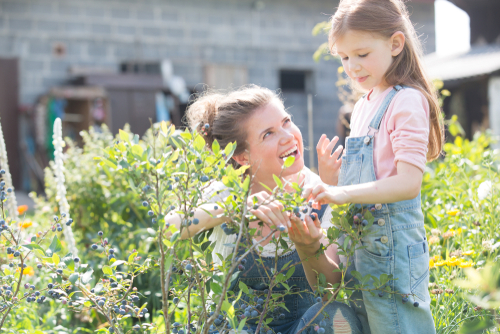
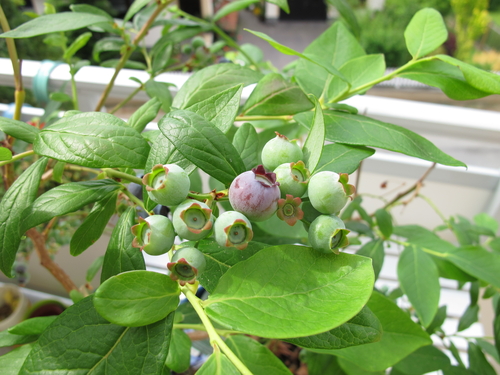
The best part about home-grown blueberries is the flavor. Store-bought just can’t compete with the vitamin-packed punch of a berry picked right off the bush. Since they don’t all ripen at once, you can snack on them throughout the season without feeling overwhelmed by a massive harvest all at once. Fresh berries only last a few days in the fridge, but there are so many ways to use them up:
- Jams and jellies
- Compotes
- Cake fillings or toppings
- Berry sauces for desserts
And if you still have leftovers? They freeze beautifully! Honestly, you’ll never run out of ways to enjoy them, which is why propagating your own plants to get a bigger yield is such a great idea.
How to Propagate Blueberries from Cuttings
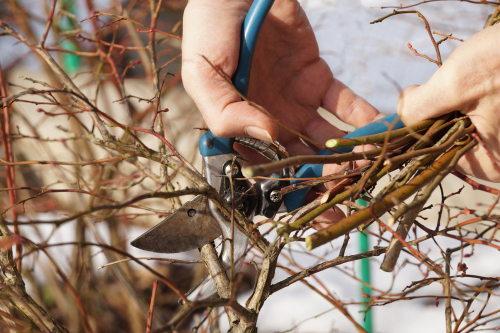
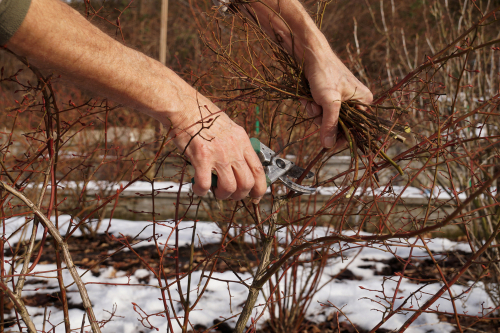
Technically, blueberries don’t *require* heavy pruning to produce fruit. If they’re healthy and in the right spot, they’ll do their thing. However, I usually recommend a “rejuvenation prune” once the plant hits about four years old. Why? Because those young, fresh branches are the ones that produce the most berries. The best time to do this is in the fall after the leaves have dropped—and that’s the perfect time to grab some cuttings!
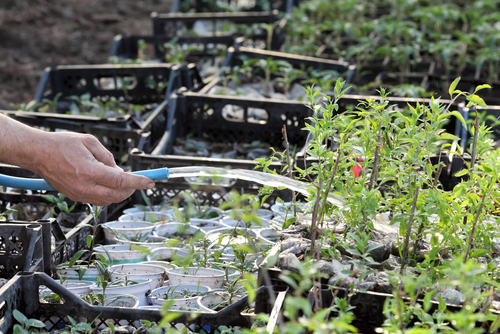
Look for healthy stems and cut them into pieces about 6 inches long. Stick these cuttings into an acidic potting mix and keep the soil consistently moist for the first few weeks.
If you want an even easier “hands-off” method, try layering. If you see a low-hanging branch that reaches the ground, you can actually pin a section of it into the acidic soil while it’s still attached to the mother plant. It’ll grow its own roots right there!
Transplanting Your New Plants in Spring
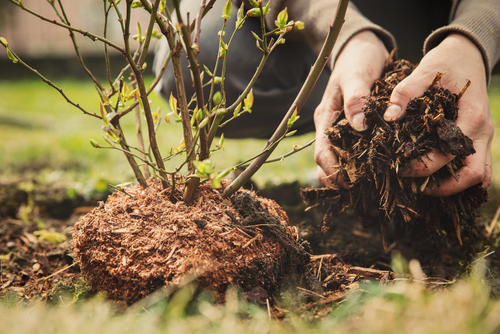
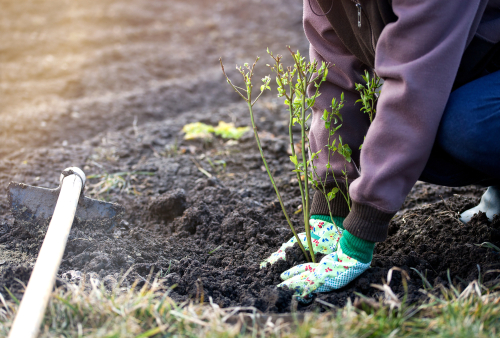
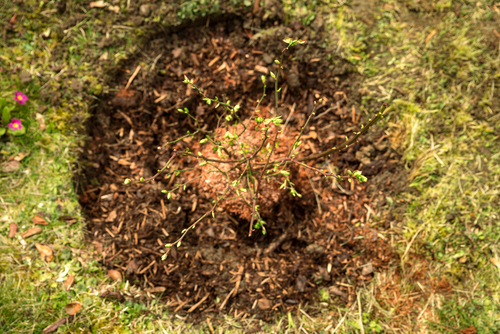
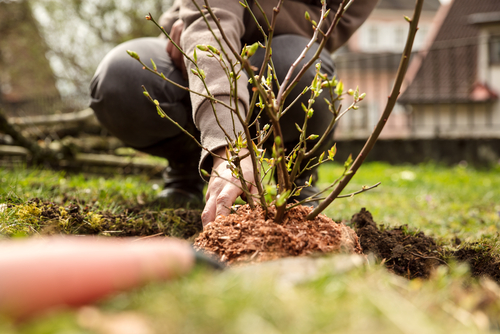
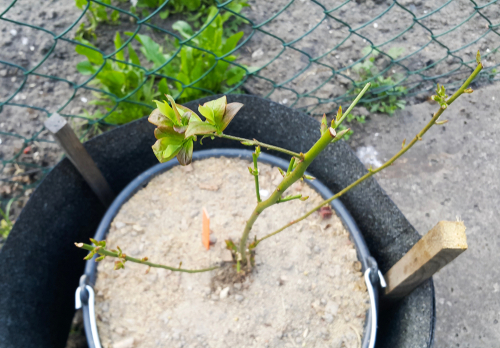
By the time spring rolls around, your cuttings should have developed their own root systems. This is the time to move them into their permanent home, whether that’s a pot or a spot in the garden bed. Ideally, you want to transplant them before they start budding out for the season. Just remember: keep that soil acidic and the sun shining, and you’ll be picking your own berries before you know it!