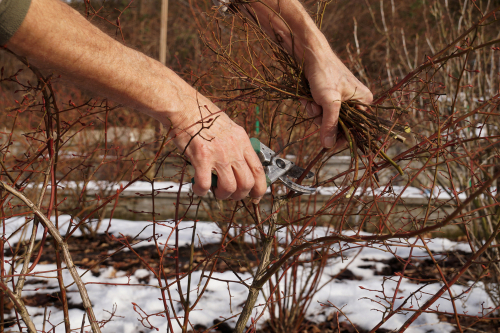
Generally speaking, cultivated blueberries don’t need a heavy pruning session as often as other fruit trees or shrubs. However, giving them a little trim now and then can do wonders for the plant’s health and your harvest. If you want to keep those berry yields high, here’s everything you need to know about pruning your blueberry bushes.
When is the best time to prune blueberries?
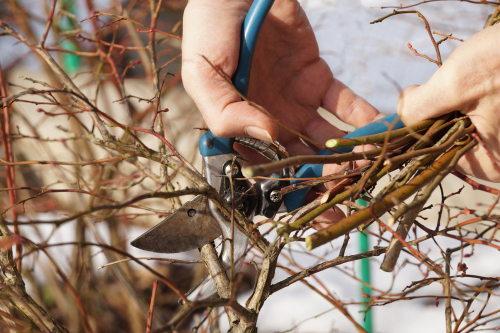
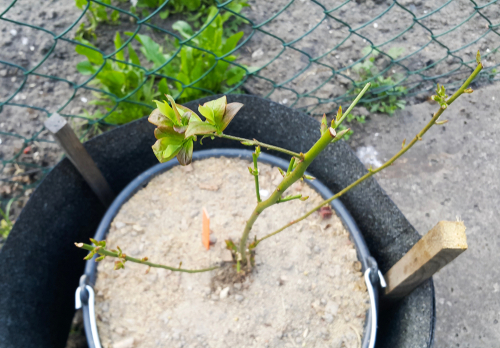
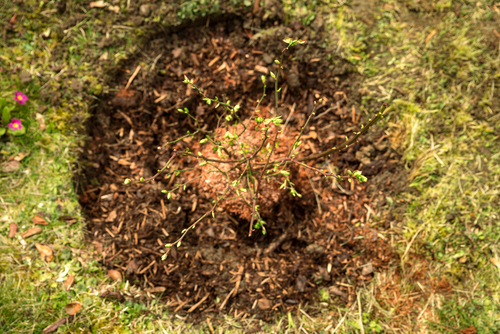
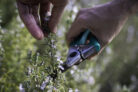
For the first few years, you can actually keep your garden shears in the shed—young blueberries don’t need much help. Once your bush hits its fourth year, though, it’s time to start looking for old wood. Older branches don’t produce nearly as much fruit as the younger, more vigorous ones, so cutting them back encourages the plant to sprout fresh, productive growth.
The best time to start pruning is in the fall, once the bush has dropped most of its leaves. At this point, the plant is entering its dormant phase, which is exactly what you want before making any cuts. Plus, you won’t have to worry about any late-summer heatwaves stressing out the plant. You can also prune in the winter, just make sure you pick a day when it’s not freezing outside.
Giving your blueberry bush a “rejuvenation” cut
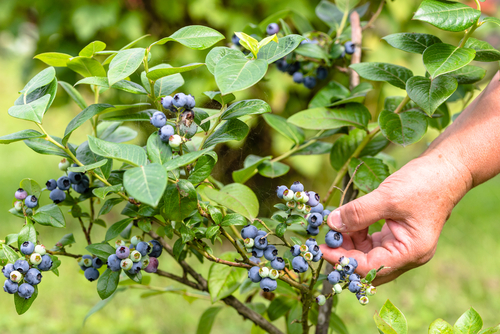
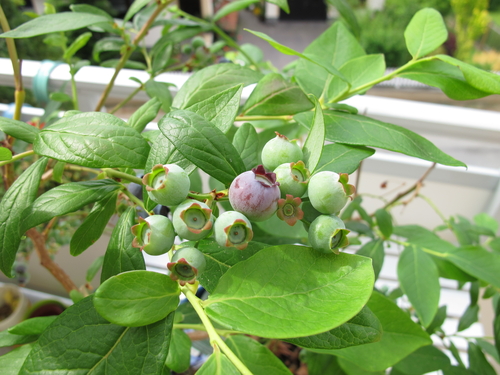
If you want to rejuvenate your bush by removing old wood, you first need to identify which branches are the slackers. This is easiest to do during the summer when the berries are actually growing. Since you won’t be pruning until the fall when the branches are bare, I recommend marking the old, gnarly branches with a bit of colorful string or ribbon so you know exactly which ones to snip later.
Beyond just the old wood, you should also thin out branches that are growing too close together or looking a bit wild. Getting some light into the center of the bush is key for healthy fruit. This applies even if you’ve planted your blueberries as a hedge; a quick trim will keep them looking neat and tidy.
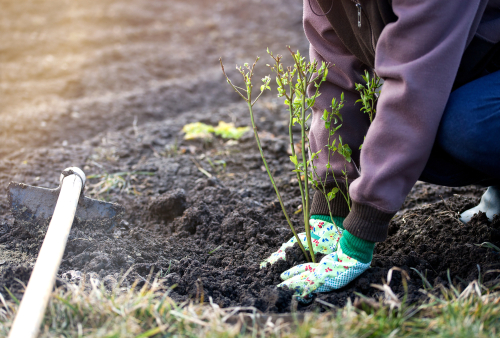
If you’re pruning in the fall, it’s also the perfect time to grab a few cuttings for propagation. Look for healthy pieces about 6 inches long; they’ll root nicely in acidic soil. Of course, if you spot any pests or diseases, you might need to do some emergency pruning. In those cases, don’t be afraid to cut back until you hit healthy, green wood to save the rest of the plant.