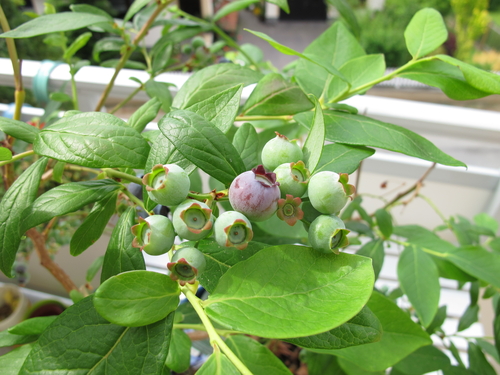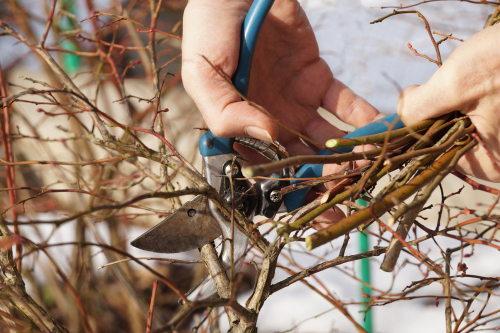
Blueberries are actually pretty low-maintenance guests in the garden. As long as you give them the right spot and the acidic soil they crave, they’re usually happy campers. While you don’t *have* to prune them every single year to get results, a little TLC with the shears can go a long way. Here’s the lowdown on when and why you should give your bushes a trim.
Why it’s worth picking up the shears
Here’s the deal: even if you never touch them with a pair of loppers, blueberries will still grow and produce fruit. In fact, for the first four years, you should just let your bush do its thing and get established. But after that four-year mark, a little “rejuvenation” pruning is a great idea. Young wood always produces more berries than old, gnarly wood. By thinning things out, you’re basically telling the plant to grow fresh new stems, which leads to a much bigger harvest for you.
Sometimes, the bush just gets a bit too wild, grows too tall, or loses its shape. If you’re growing blueberries as a hedge, you’ll definitely want to keep them tidy. Focus on removing those old, woody branches. Thinning out the center is also key—it lets sunlight reach the middle of the bush so every berry gets a chance to ripen. And of course, if you spot any diseases or pests, a quick (and sometimes drastic) cut is necessary.
To recap, here’s why you might want to prune:
- Getting rid of pests or disease.
- Rejuvenating the plant for better yields.
- Thinning out crowded branches to let light in.
- Keeping the plant from outgrowing its space.
Timing is everything
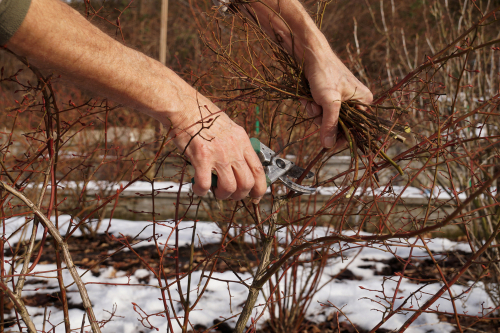
As I mentioned, wait until your blueberry bush is at least four years old before you start pruning. The best time to get to work is in the fall. Once the leaves have dropped, the plant goes dormant, making it the perfect time for a haircut.
Plus, you won’t have to worry about heat stress or drought. If you miss that fall window, don’t sweat it—you can also prune on a mild winter day. Just make sure the temperatures are above freezing so you don’t damage the wood.
How to prune like a pro
It’s a lot easier to spot those old, unproductive branches when the plant is actually leafed out or fruiting. Since you’ll be pruning when the bush is bare, try marking those “problem” branches during the summer. You can tie a piece of colorful string around them or use a dab of outdoor spray paint so you know exactly which ones to cut later.
When you’re ready to cut, make sure your garden shears are nice and sharp. Dull blades can crush the stems and leave jagged edges, which are basically an open door for bacteria and rot. It’s also a smart move to wipe your blades down with a little rubbing alcohol before you start to keep things sterile.
Bonus: Turn those clippings into new plants!
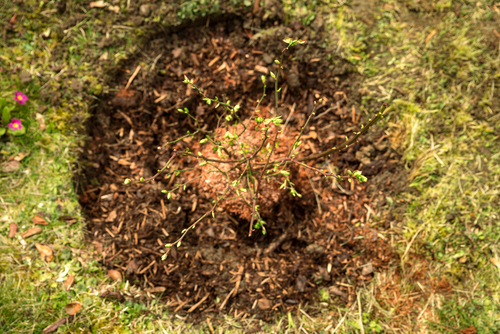
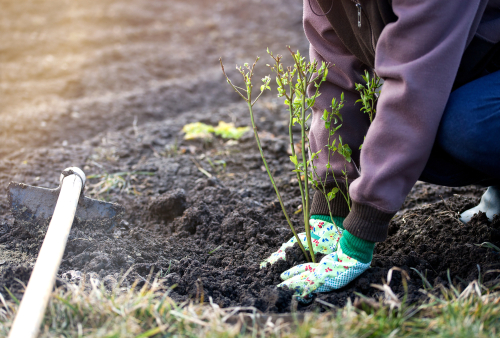
The cool thing about pruning is that you can use those cuttings to grow even more blueberries! When you’re doing your fall cleanup, take some healthy cuttings about 6 inches long and stick them into some acidic, lime-free soil. In about two months, they’ll start developing roots, and you’ll have brand-new baby bushes to pot up.
If you notice any long, flexible branches hanging down to the ground, you don’t even need to cut them yet. You can try “layering”—just pin a section of the branch into the soil while it’s still attached to the main plant and cover it with a little dirt. After a few months, it’ll grow its own roots, and you can snip it away from the “mother” plant and move it to its own spot!