One of the easiest ways to get more currant bushes for your garden is by using cuttings. The best part? You usually get these cuttings for free when you’re already out there pruning your plants. While not every single stick will take root, the success rate is actually pretty high, and it takes almost no extra effort to get them started.
Cutting Your Cuttings
There are a few different times of year when you can prune currants, but if you want to grow new plants, spring or fall are your best bets.
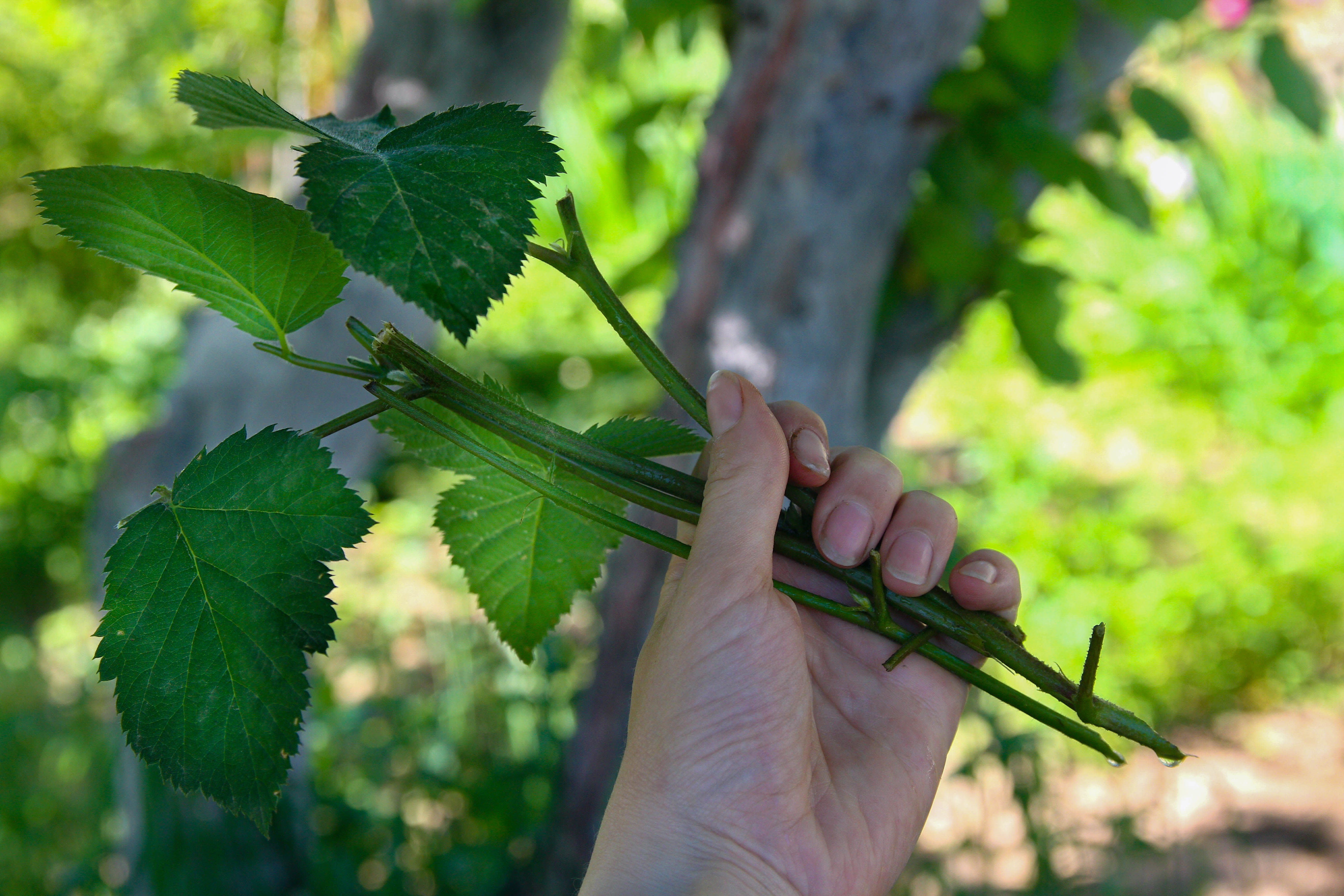
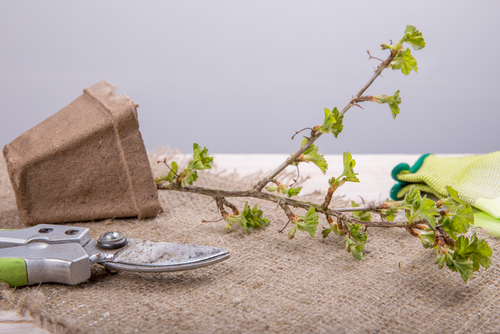
You’re looking for healthy wood—avoid anything that looks diseased or has fungus. Cut your “sticks” (we call these hardwood cuttings) to about 8 inches long. Make sure each one has at least two or three “eyes” or nodes (those little bumps where leaves sprout).
Getting Them in the Ground
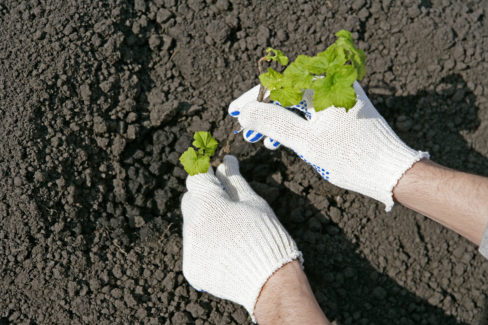
You can plant these cuttings directly into your garden soil. Pick a partially shaded to shady spot for their nursery bed; this keeps them from drying out too fast while they’re trying to grow roots.
Most garden soil is just fine as long as it doesn’t get waterlogged. Here’s a pro tip: just take a spade, push it into the dirt, and wiggle it back and forth to create a narrow slit. Drop your cuttings into that gap. You want at least one node buried underground and one or two nodes peeking out above the surface.
Firm the soil back down around them with your hands and give them a good drink of water. If you’ve picked a good spot, you don’t even need to cover them or do anything fancy.
Caring for Your New Plants
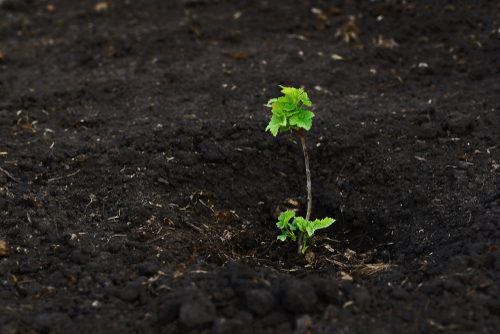
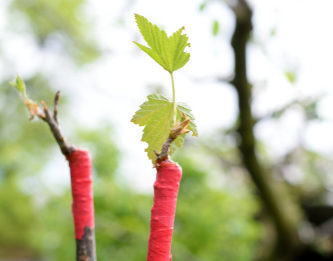
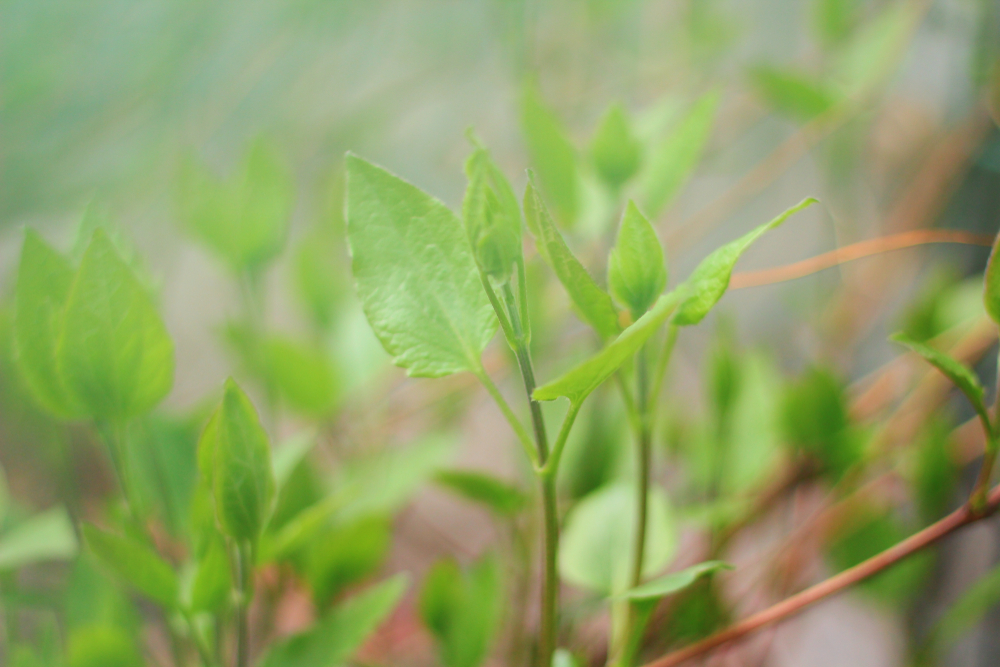
It usually takes until the following season for the cuttings to really establish their root systems. If you plant them in the spring, you’ll know by fall which ones were successful because they’ll start pushing out leaves. If you plant them in the fall, you’ll just have to be patient until next spring to see that new growth.
The main rule during this time? Don’t let them dry out! Keep them regularly watered. You can plant these cuttings quite close together at first—about 6 to 8 inches apart is plenty. By the following autumn, they’ll be ready for you to transplant your currants to their permanent home. Just remember that full-grown bushes need space; give them about 3 to 5 feet of room. If you have a particularly vigorous variety with long canes, you might even want to give them 6 feet of breathing room.