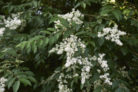
No matter which variety of elderberry you’re growing, they all have one thing in common: they’re shallow-rooted. If you’re planning to add an elderberry bush to your backyard, this is one detail you definitely don’t want to overlook. The way these roots grow can have a pretty big impact on the rest of your garden.
What exactly is a shallow-rooted plant?
Shallow-rooted plants like elderberry don’t send their roots deep into the earth. Instead, they spread out horizontally, just beneath the surface, in a star-like pattern. This root system consists of thick, sturdy strands and a dense web of fine feeder roots that are great at hogging nutrients—which basically tells neighboring plants to “keep out.” Because they stay so close to the surface, these roots can actually cause some serious damage to nearby masonry or foundations if they aren’t managed.
Give it some breathing room
To keep your elderberry’s roots from wreaking havoc on your patio, walkways, or garden walls, you’ll want to give it plenty of space. A good rule of thumb is to plant it at least six to ten feet away from any structures.
Solving the problem with a root barrier
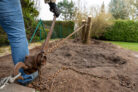
If you’re worried about your elderberry taking over or damaging your hardscaping, a root barrier is your best friend. This is usually a durable, rot-proof geotextile or specialized plastic liner buried around the root zone. Here’s a quick guide on how to get it done:
- Use a garden hose or a piece of string to mark a circle around your planting hole or existing shrub.
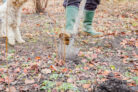
- Use a spade to dig a trench about 20 inches deep.
- Clear out the trench and use loppers to trim back any stray roots or edges so the sides are straight.
- Insert the root barrier into the trench and secure the ends with an aluminum strip or specialized connector.
- Make sure the material overlaps by at least four inches at the seam.
- Once you backfill the trench, the barrier should still stick up about two inches above the soil line to prevent roots from jumping over the top.
To figure out how wide your barrier circle should be, take a look at the expected growth height of your specific variety. A good trick is to match the square footage of the root area to the height of the bush.