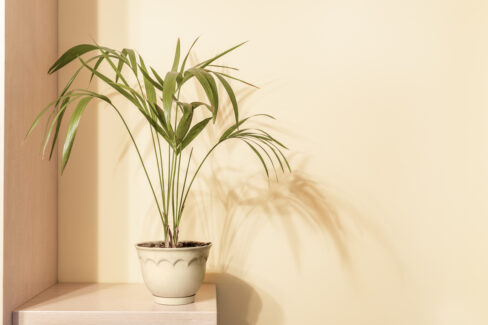
The Kentia palm is one of the most popular houseplants out there, mostly because it’s tough as nails. Because they’re so hardy, a lot of plant parents want to try their hand at propagating them. Just a heads-up, though: you’re going to need a healthy dose of patience! That said, there are a few tried-and-true methods that offer a pretty high success rate.
Propagating from Seeds
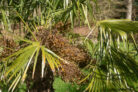
You can definitely grow palms from seeds, but there’s a catch: the palm has to bloom, get pollinated, and produce ripe fruit. This almost never happens with indoor plants. Usually, only serious hobbyists who can provide the perfect location and environment will ever see their Kentia produce a flower.
If you do manage to get your hands on some Kentia seeds, you can certainly try to grow them yourself. Just be prepared to wait—germination can take up to a full year! Use a standard seed-starting mix and make sure to keep the soil consistently moist throughout the entire germination phase.
Keep in mind that seedlings and young plants are a bit high-maintenance. The Kentia palm is prone to pests when it’s young, so it’s common for only a small fraction of your seedlings to make it to adulthood.
Propagating via Offshoots
Every once in a while, a Kentia palm will grow side shoots or “pups.” These are easiest to spot when you’re repotting your palm. If you separate these offshoots from the mother plant early on, they usually have a great chance of developing into their own healthy plants.
An added bonus? Removing these shoots means you won’t have to repot the main plant as often. Even though Kentias are slow growers, they can still produce enough offshoots under the right conditions to make their pot feel cramped pretty quickly.
Propagating by Division
Dividing your plant is very similar to working with offshoots. You can do this with a brand-new palm you just bought or an older plant that has grown quite wide. The best part about division is that the shoots are already fully formed, so you instantly end up with “adult” palms.
However, division can be a bit stressful for the plants. I’d recommend only dividing palms that have a very large, thick diameter. You might need to use a bit of muscle to pull apart a dense root ball, and in some cases, you might even have to cut through it with a clean knife. If you notice any dry leaves or stems after the move, just prune them off near the soil line.