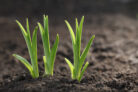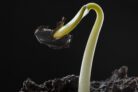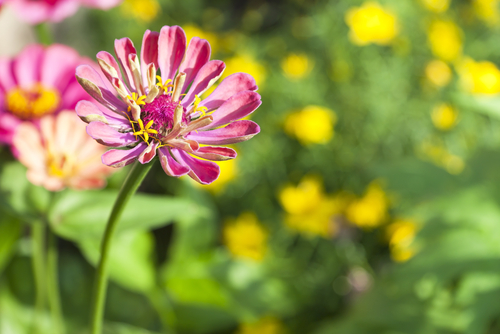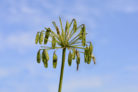
When it comes to propagating lilies, most people think of dividing bulbs, but growing them from seed is a super rewarding alternative! To get started, you’ll need to get up close and personal with how lily seeds actually work.
Letting the Seeds Ripen
If you want to harvest seeds that will actually grow, the most important rule is: put down those garden shears! Usually, we recommend deadheading lilies right after the blooming season ends. This is because we want the plant to send its energy back into the bulb for next year’s flowers rather than wasting it on seed production. But if you’re looking to collect seeds, you’ve got to leave those spent blooms right where they are.
Step-by-Step Guide
Over time, those faded flowers will turn into seed pods. Once autumn rolls around, these capsules will start to crack open—that’s your signal that it’s harvest time! Carefully remove the seeds from the pods and follow these steps:
- Let the seeds dry out completely, or keep them tucked away in the fridge in a sealed container.
- Start your indoor planting in January or February.
- Before planting, give the seeds a good soak in water for about three days.
- Fill some small pots with a high-quality seed-starting mix and plant the seeds about half an inch deep.
The Waiting Game
Now for the part that requires a little patience. Keep your pots in a spot where the temperature stays between 60°F and 70°F (15-20°C). You’ll also want to make sure the soil stays consistently moist but not soggy.
Lilies can be a bit unpredictable when it comes to germination. Depending on the variety and the conditions, you might see sprouts in just a few days, or it could take—believe it or not—up to two years! But once you see that success and the weather warms up in May, it’s finally time to transplant your lilies into the great outdoors.