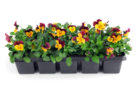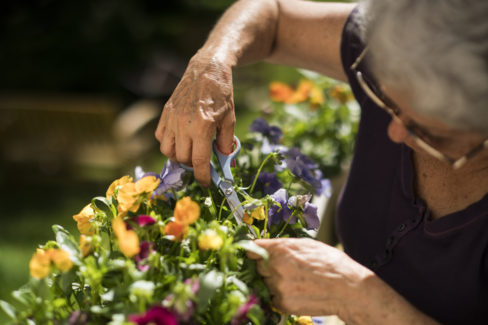
Technically, you don’t *have* to prune your Johnny Jump-ups (Viola cornuta). But if you let them go, they tend to get leggy, flop over, and lose that cute, bushy shape we all love. If you want your violas to stay looking their best, grabbing your garden shears at the right time makes all the difference.
When and Why Should You Prune Your Violas?
Johnny Jump-ups are early bloomers that keep the flower show going well into summer. If you want to keep those colors popping through the fall, a well-timed haircut is the secret. By August at the latest, you should clear out any spent blooms and stems. This encourages these hardy little plants to start a second flowering phase, extending their season by another month or two. In fact, during mild winters, they might only take a tiny break from late December to early January!
More Great Reasons to Prune
While more flowers are a huge plus, pruning is also about keeping your plants healthy and vibrant. Here’s why it’s a good idea:
- Controlling seeds (to spread or not to spread?)
- Encouraging bushy growth and a longer lifespan
- Prepping for winter
If you don’t want your violas taking over the whole garden through self-seeding, you’ll want to snip off the faded flowers before they have a chance to drop seeds. This saves the plant a ton of energy, which it can then redirect into growing more blossoms.
Pruning also acts like a “reset button” for the plant’s shape. If your violas are looking a bit sparse or “stretched out,” cutting them back encourages fresh, bushy growth and a denser carpet of flowers. This simple step can actually add years to the life of your plants.
Finally, there’s winter prep. Even though Johnny Jump-ups are pretty cold-hardy, it’s best to cut them back close to the ground before the first hard freeze. Cover them with some brush or evergreen boughs for protection, and they’ll come back stronger than ever in the spring.
Quick Tips for a Perfect Trim
Pruning helps your violas live a long, happy life. To make sure you aren’t accidentally introducing any garden pests or diseases, keep these tips in mind:
- Always use sharp tools. Dull blades crush the stems rather than cutting them, which can invite fungal infections.
- Sanitize your shears! This prevents spreading diseases from one plant to another.
- Avoid pruning when it’s freezing outside.
- Regularly pinch off wilted leaves and spent flowers.
- Don’t forget: the flowers are totally edible and make a gorgeous garnish for salads or desserts!