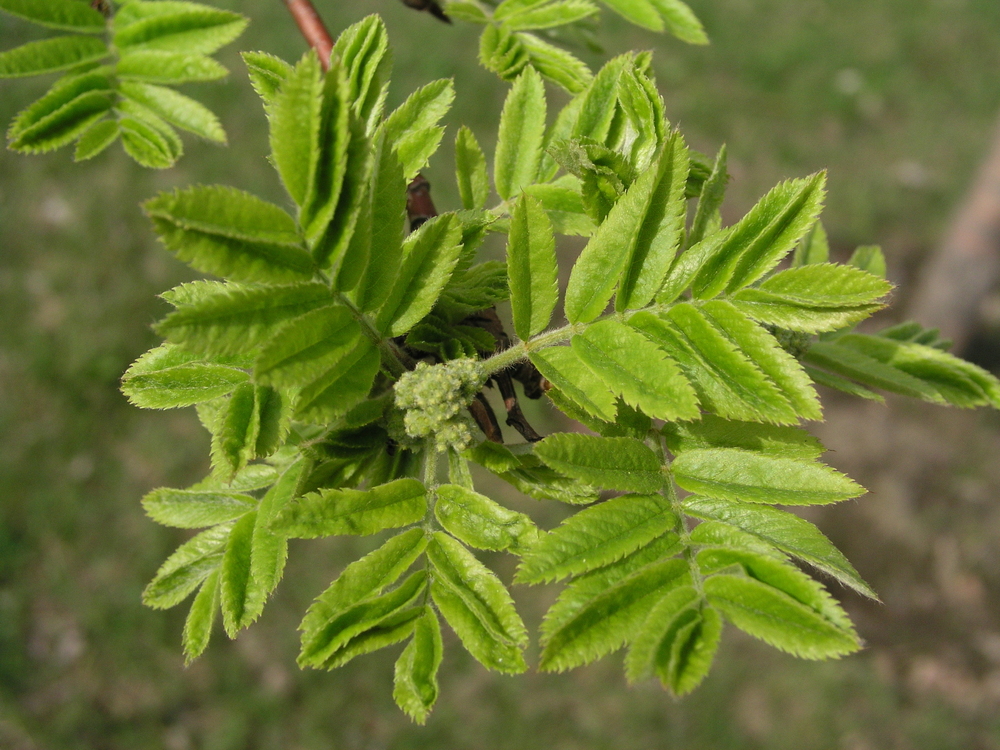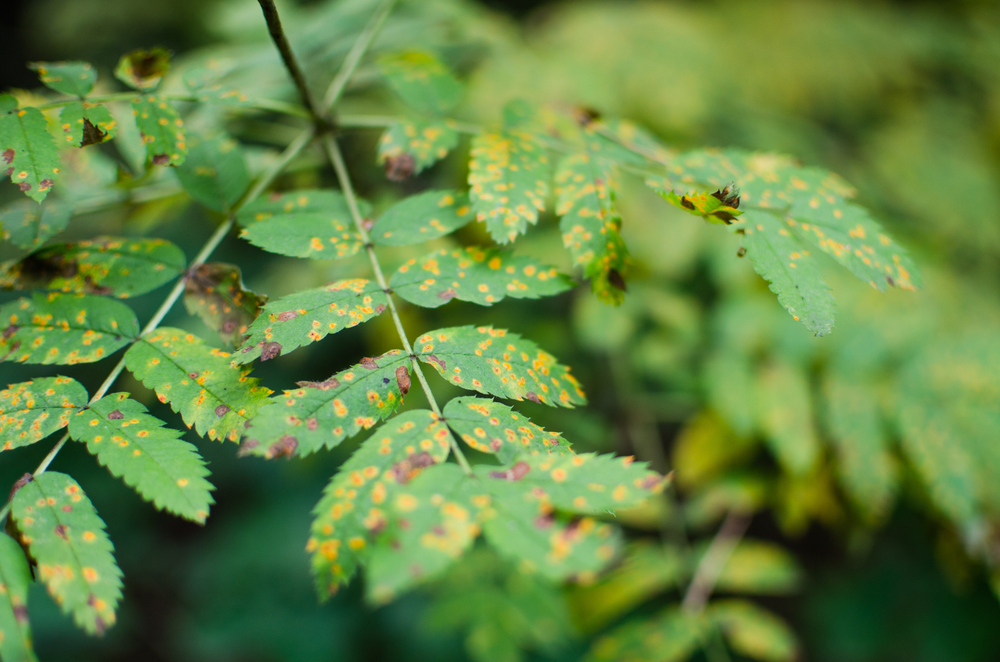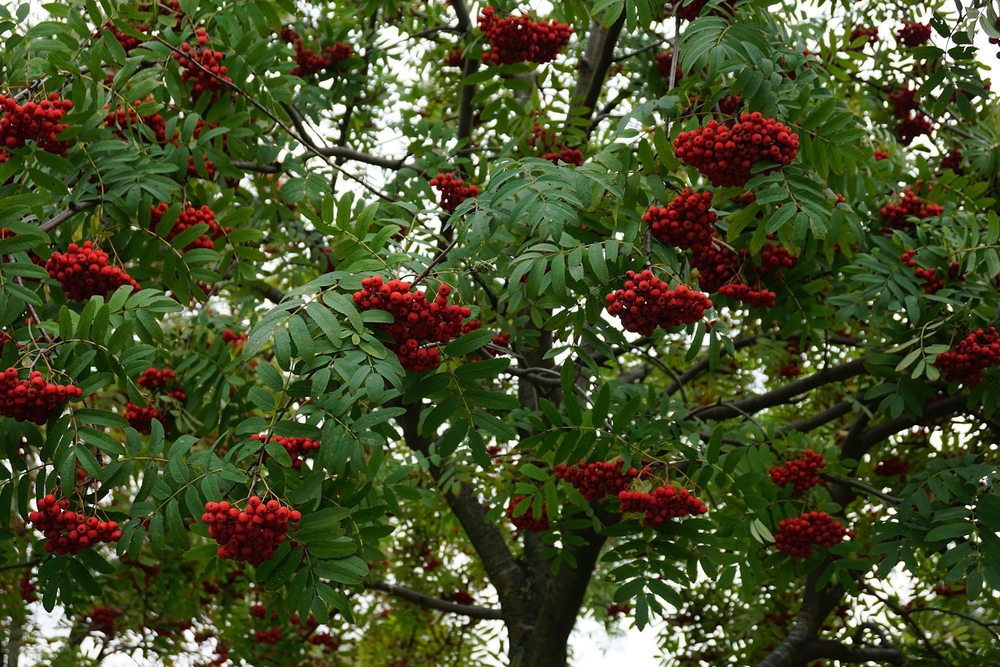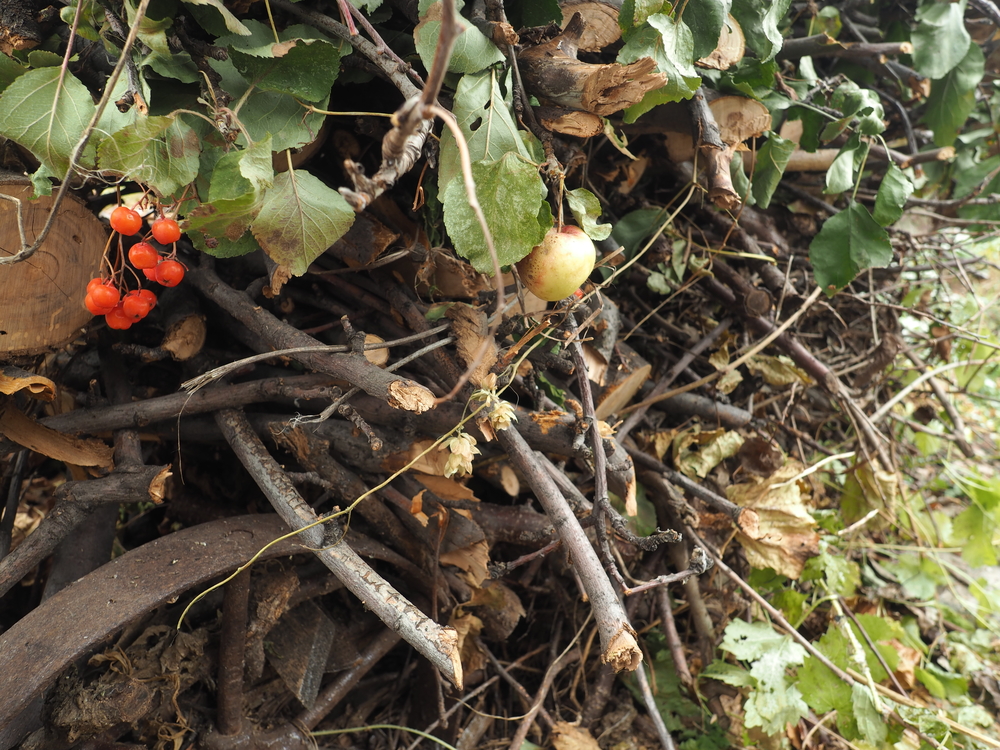
The Mountain Ash, known to pros as *Sorbus aucuparia* and often called the Rowan tree, is a total favorite for home gardens, parks, and roadsides. If you’ve got one of these beauties and are wondering how to keep it in tip-top shape, here is everything you need to know about pruning.
When and how often should you prune?
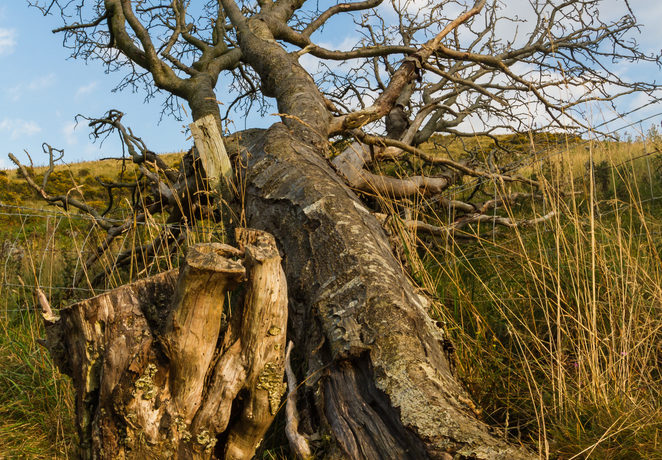
Here’s the good news: generally speaking, a Mountain Ash doesn’t really *need* to be pruned. In fact, it rarely requires a regular “maintenance cut.” These trees look their best when they’re allowed to grow naturally. Of course, there are exceptions—like if your tree is dealing with pests or diseases or if it’s starting to look a little wild and out of shape.
Another reason to grab your shears is if the tree is getting too tall for your space. Not every backyard is big enough for a tree that can reach 15 to 50 feet high! Just keep in mind that these trees are a vital food source for local birds, so you’ll want to be a bit conservative with your cuts to keep those feathered friends happy.
Tips for a successful pruning session
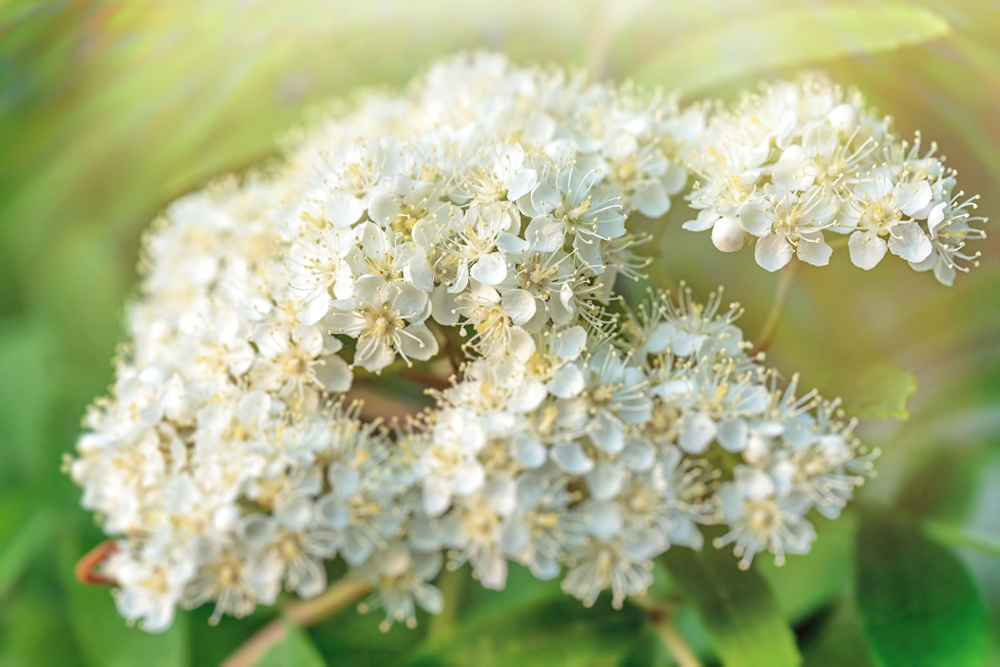
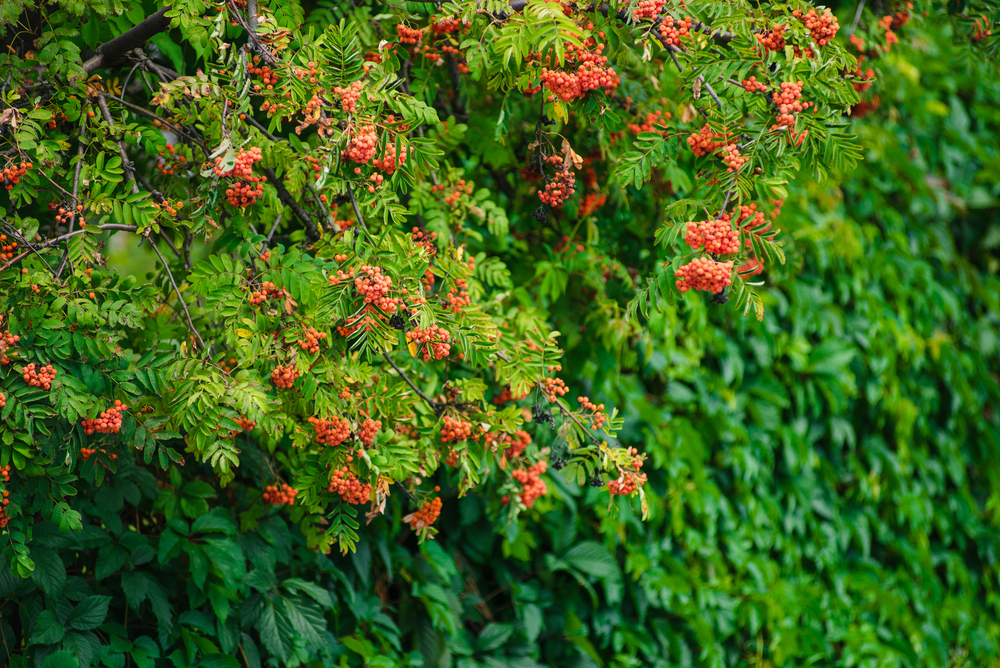
The best time to give your Mountain Ash a trim is in late spring. They usually bloom around May or June, and once those flowers fade, you’re good to go. Just a heads-up: since the main draw of this tree is those gorgeous red berries, remember that cutting off the spent flower heads means you won’t get fruit in those spots later on.
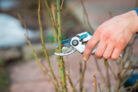
When you do cut, make sure to prune branches right at the trunk and always use sharp tools. Tearing or pulling at the branches increases the risk of injury to the tree, which opens the door for germs and bacteria. It’s also a smart move to disinfect your tools before and after you work.
A clean, sterile cut significantly lowers the risk of infection. Think of a cut as an open wound for the tree. But don’t worry—plants don’t feel pain! Evolutionarily speaking, there’s no reason for them to feel pain since they can’t exactly run away from predators. While some people like to use pruning sealants on cuts, it’s really not necessary for a Mountain Ash and can sometimes even do more harm than good. Stick to these basic tips, and your tree should thrive!