Privet is a total superstar when it comes to creating beautiful, structured hedges. But if you want yours to look its best and stay healthy for years to come, knowing how to prune it is key. Don’t worry, though—I’ve got you covered! Let’s dive into when and how to give your privet the perfect trim.
Why Pruning Matters
The main reason privet is such a go-to hedge plant is because it grows incredibly fast and handles a haircut like a champ. Because it’s such a vigorous grower, regular pruning is a must to keep it lush and healthy. Depending on what your hedge needs, there are a few different types of cuts:
- The initial planting cut
- Training (or establishment) pruning
- Maintenance shaping
- Rejuvenation pruning
- Wildlife-friendly pruning for bees
The Planting Cut
Believe it or not, the work starts as soon as you finish planting your hedge. You’ll want to give it its first trim during that very first spring. This early haircut encourages the plant to branch out right at the base. If you skip this step, you might end up with a hedge that looks “leggy” or thin at the bottom.
Training Your Hedge
To get that dense, wall-of-green look, you’ll want to do some “staged” training cuts. For the first few years, I recommend trimming it about three times a year to build up that thick foliage. Once the hedge is established, you can usually scale back to twice a year.
Keeping It In Shape
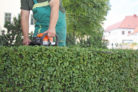
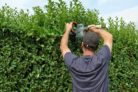
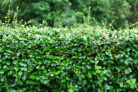
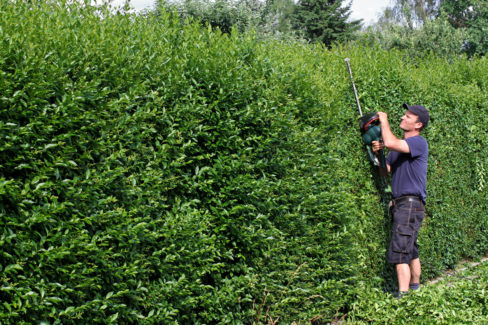
Regular shaping helps your hedge stay neat and tidy. The best routine is to trim back any rogue branches in the spring and again in August. Pro tip: Stretch a piece of string between two stakes to use as a guide—it’s the easiest way to make sure your lines stay perfectly straight!
Rejuvenation Pruning
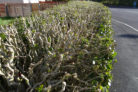
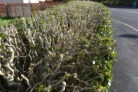
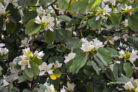
Is your old privet looking a bit tired, woody, or bare in spots? If it’s stopped blooming or looks thin, it might be time for a “reset.” Between November and February, you can actually give an old hedge a radical hard prune. This stimulates the plant to push out fresh, vigorous growth and plenty of those lovely white flowers.
Pruning for the Bees
If you’re growing your privet specifically to help out our pollinator friends, you’ll want to take a “less is more” approach. Since bees and other insects rely on the nectar from the flowers, try to prune only once a year and very lightly. This keeps the plant tidy while ensuring there are plenty of blooms to go around.
The Best Shape for Success
When you’re trimming, always aim for a “tapered” or trapezoid shape—wider at the bottom and slightly narrower at the top. This ensures that sunlight can reach those lower branches. If the top is wider than the bottom, it’ll shade out the base, and you’ll end up with those dreaded bare spots at the bottom of your hedge.