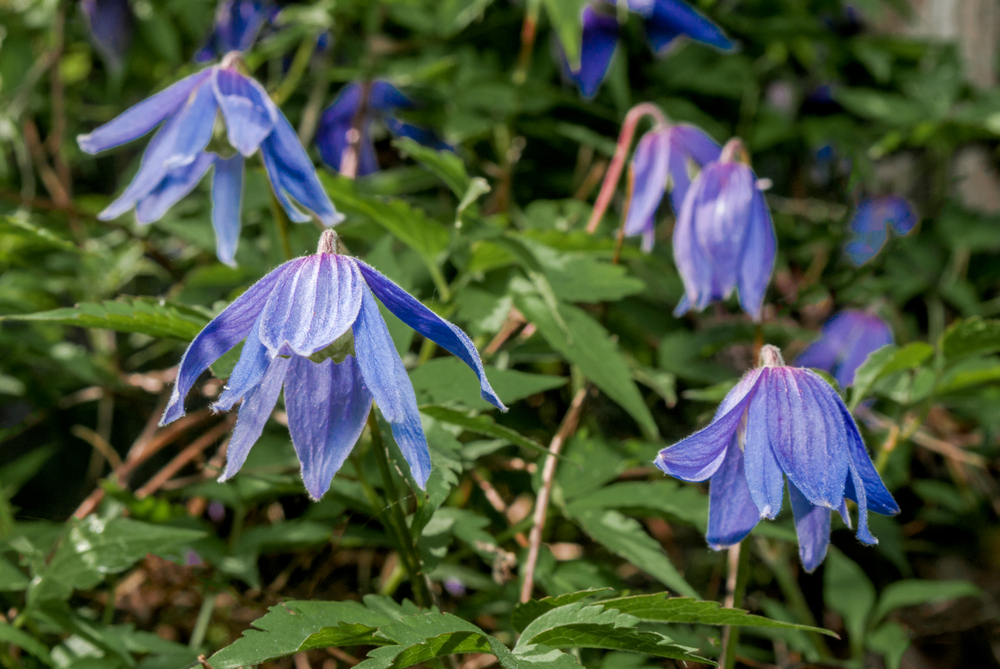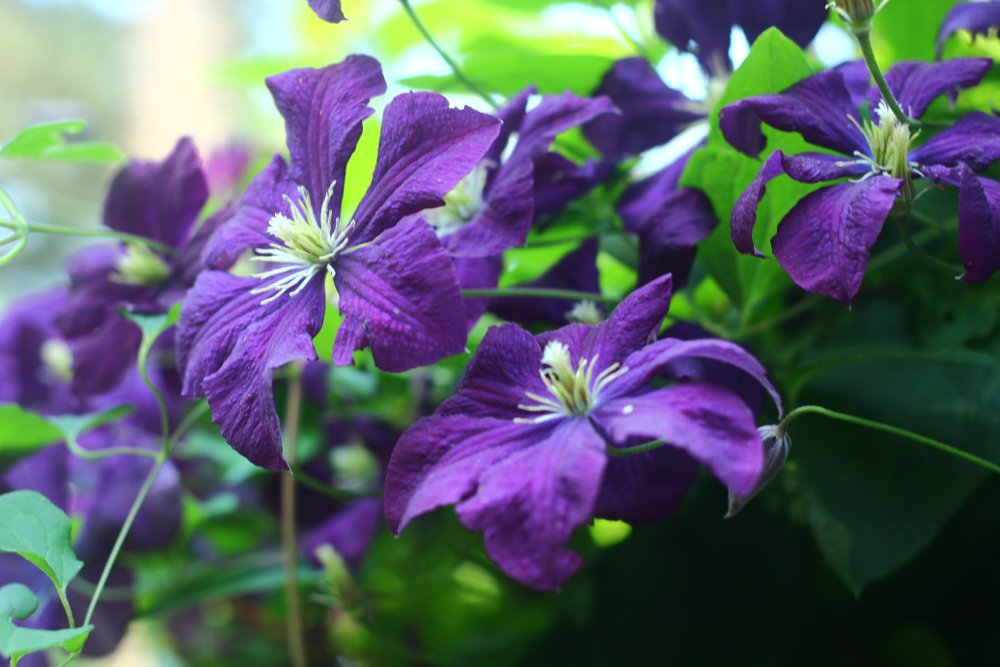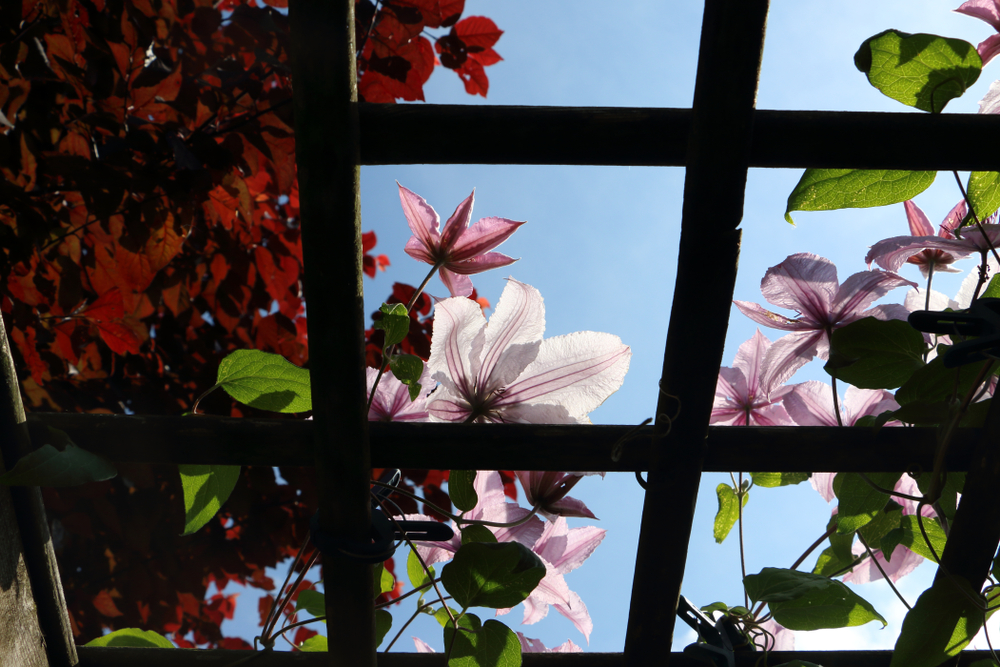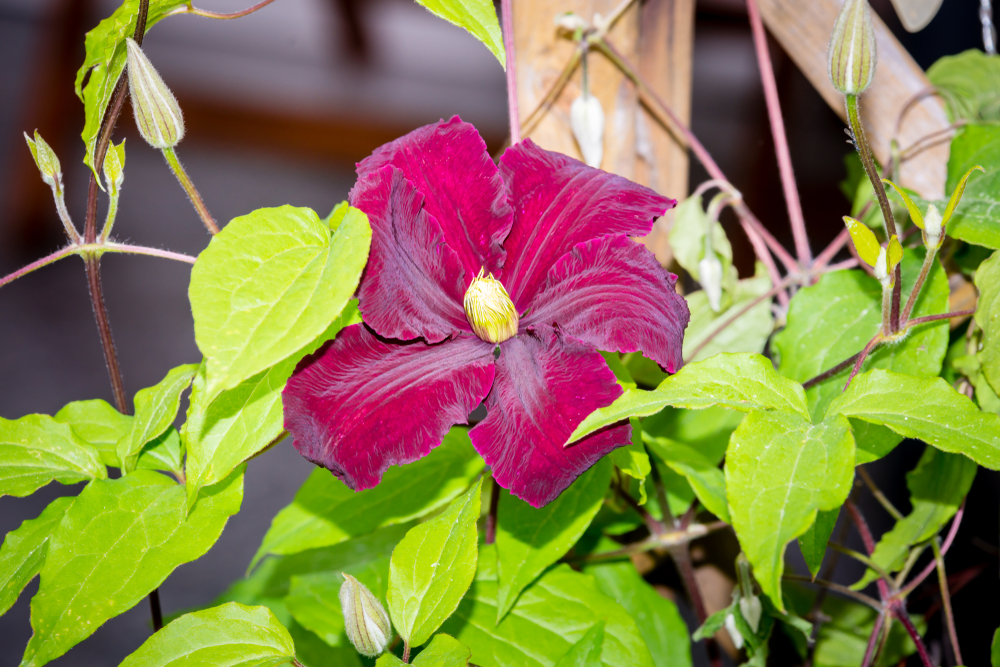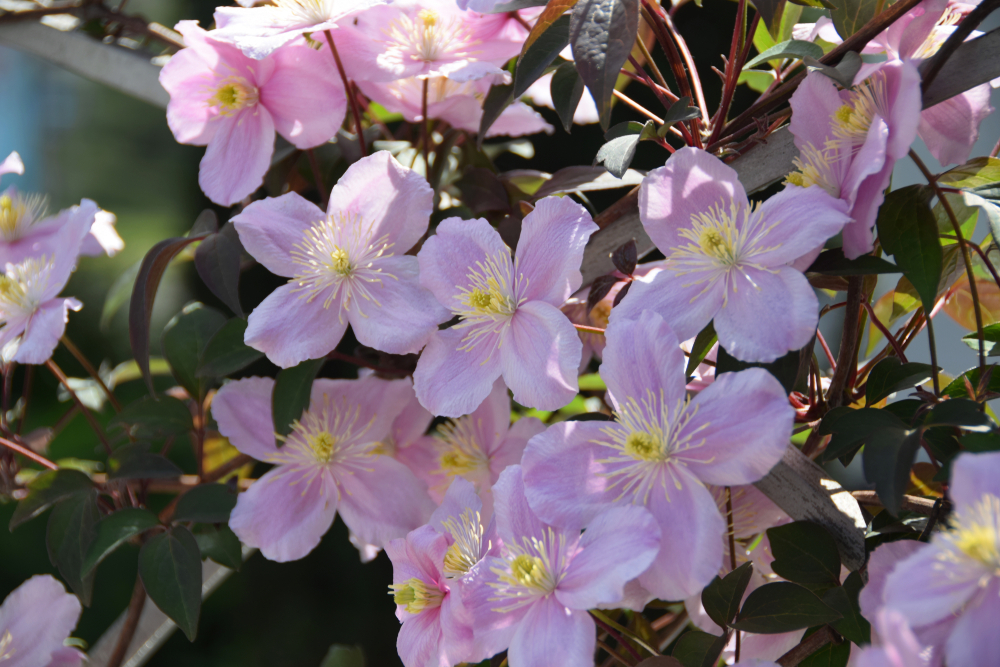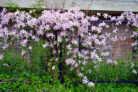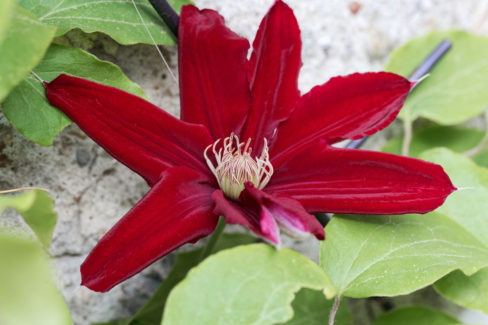
One of the coolest things about Clematis is that you can find them growing wild along forest edges all over the globe. Because different varieties have adapted to so many different climates, they don’t all bloom at the same time. This is super important to keep in mind because their blooming schedule is exactly what tells you when it’s time to grab your garden shears.
What exactly are summer bloomers?
Since Clematis can show off their flowers anywhere from early spring to late fall, gardeners usually categorize them into three different pruning groups. One of these groups is the “summer bloomers.” As you probably guessed, these varieties do their heavy lifting during the summer months. This group includes beauties like the Italian Clematis (Clematis viticella), the Golden Clematis (Clematis tangutica), and various hybrids of the Texas Clematis (Clematis texensis), just to name a few.
Pruning in late autumn
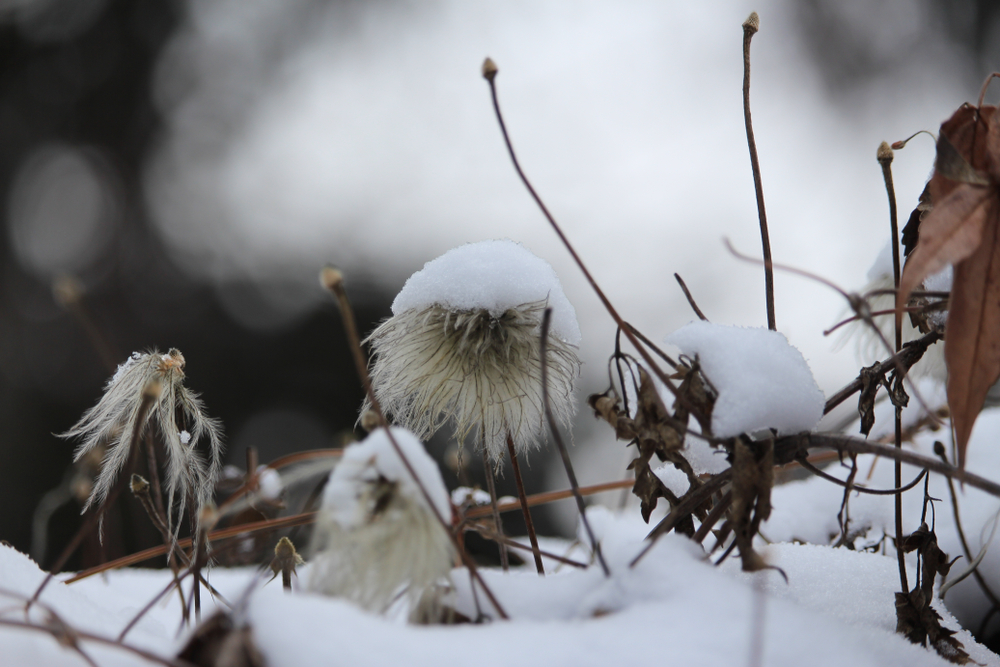
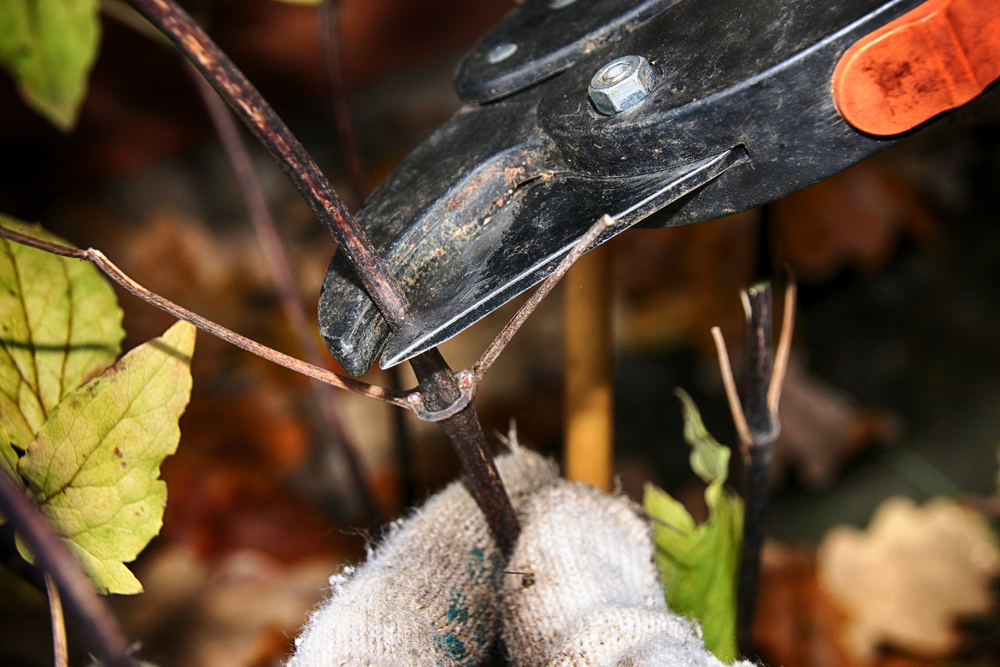
For these specific types, you’ll want to wait until later in the year to prune. The “sweet spot” is usually between November and December. Pruning then gives the plants plenty of time through the winter and early spring to focus on developing new growth. If you wait too long and prune late in the spring, you might accidentally snip off the young shoots that were supposed to carry your summer flowers, leaving you with a much thinner display.
Don’t be afraid of a hard prune
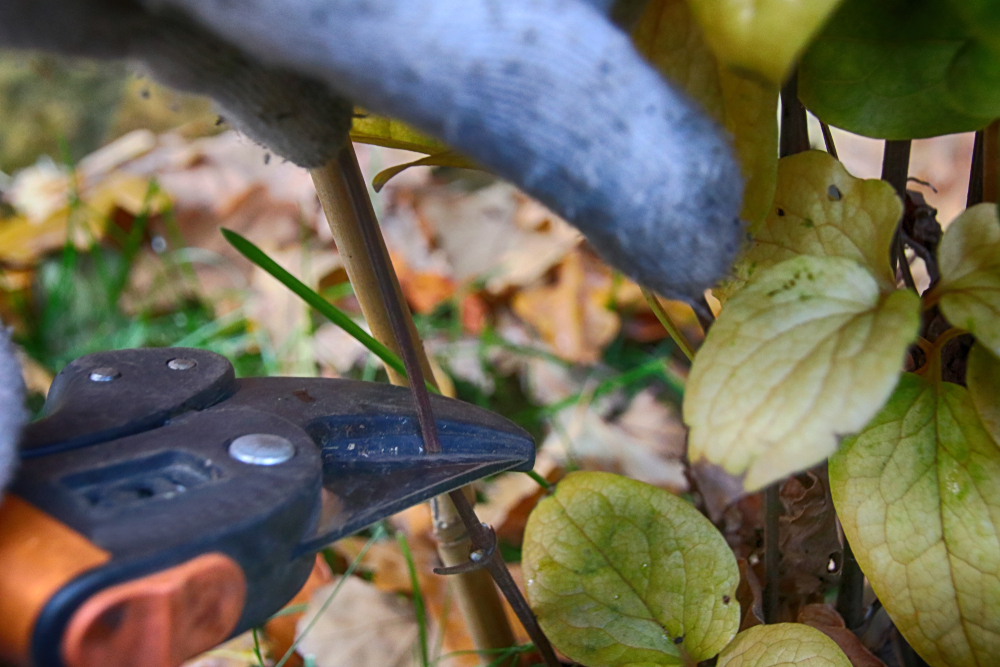
Timing is everything, especially since summer-blooming Clematis actually thrive on a pretty heavy haircut. You’ll want to cut them back until only about 12 to 20 inches (30 to 50 cm) of the main stems remain. I know it feels drastic, but this is the secret to stimulating fresh new growth! Without this regular “reset,” summer bloomers tend to get leggy and produce fewer and fewer flowers over time. We definitely want to avoid a “lazy” bloomer.
If you have young plants, you should cut them back even further. While this might mean you won’t get many flowers the following summer, it pays off in the long run by helping the plant build a much stronger, bushier foundation for years to come.