With the right pruning technique, a column cherry tree can produce a massive harvest of delicious fruit. Despite what the name suggests, these trees don’t actually grow into a perfect pillar shape all by themselves—they need a little “tough love” and training to get there. Here’s everything you need to know to keep your tree looking great and producing plenty of cherries.
When Should You Prune a Column Cherry?
Depending on the variety, a column cherry can be a pretty fast grower if it’s happy in its spot. Because of that quick growth, regular pruning is a must. The “when” and “how” mostly depend on the age of your tree and its overall health.
First, identify what kind of tree you have. A Japanese Column Cherry is an ornamental tree that doesn’t produce fruit. These are a bit more sensitive, whereas fruiting column cherries can handle a much heavier hand with the shears.
Usually, the nursery takes care of the very first “training cut” before you even buy the tree. From there, your schedule looks like this:
- Shape Pruning: Done in spring and fall to maintain that sleek pillar look.
- Maintenance Pruning: Done right after the harvest to encourage new fruiting wood for next year.
- Rejuvenation Pruning: Done every few years in late summer for older trees that are looking a bit bare or neglected.
How to Prune Your Column Cherry the Right Way
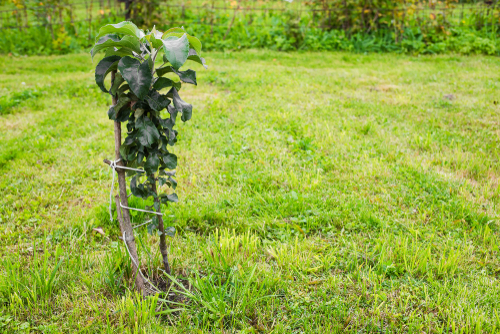
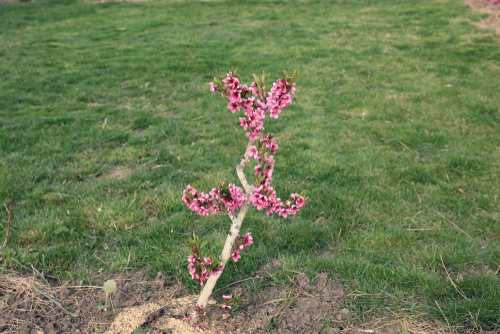
If your tree hasn’t had its initial training cut yet, you’ll want to do that before you even put it in the ground. Shorten the main stem by about a third. Let the tree grow freely until the following summer, then pick the strongest central shoot to be your “leader” (the main trunk extension).
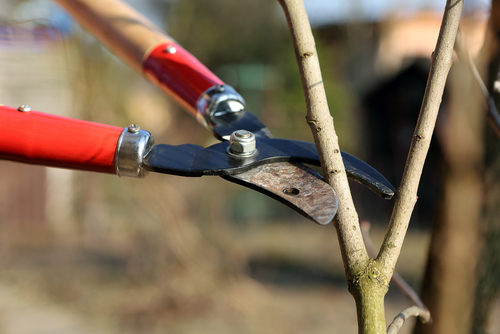
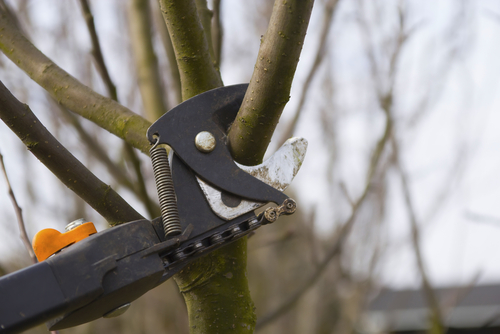
Any side branches longer than about 12 inches (30 cm) should be headed back. Whatever you do, don’t prune the very tip of that main central leader! Pruning encourages branching, and we want the main trunk to stay single and strong. The only exception is if “competitor” shoots try to grow at the very top—snip those away so only the strongest leader remains.
Column Cherries Need Consistent Care
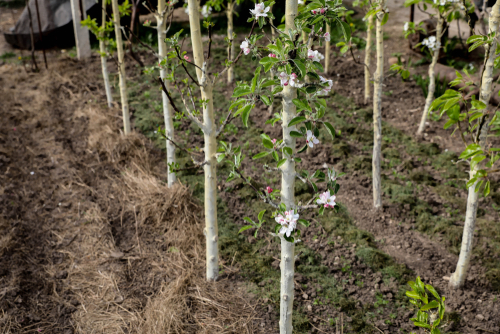
If you just let your column cherry go wild, it’ll lose its signature shape fast and turn into a messy bush with multiple trunks. The whole point of a column tree is that single main leader. To keep it that way, you need to manage the side branches. Just be careful not to cut them off flush against the trunk, as that can seriously hurt your fruit yield.
If it’s been a few years since your tree last saw a pair of shears, it’s time for a rejuvenation cut. Without it, the inner parts of the tree will start to go bare, and you’ll see fewer and fewer cherries. It’s natural for these trees to grow toward the light, so some thinning at the bottom is normal, but you can fight back.
To jumpstart an older tree, cut back the old wood by about 4 to 6 inches (10-15 cm). This triggers fresh new growth. Just keep in mind that if you do a heavy “hard prune,” the tree might take a year off from flowering while it recovers.