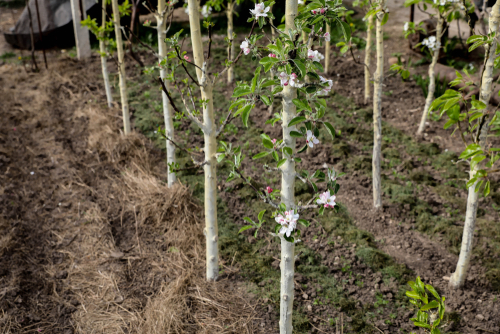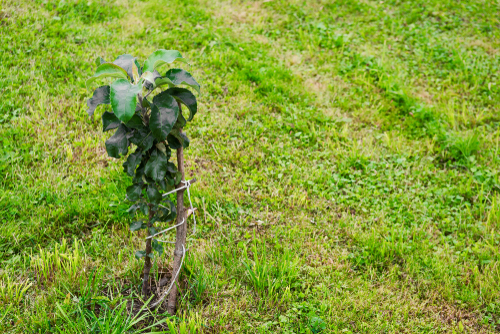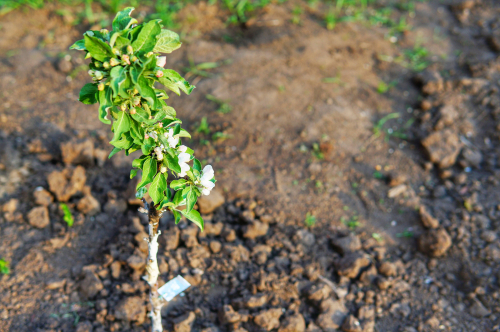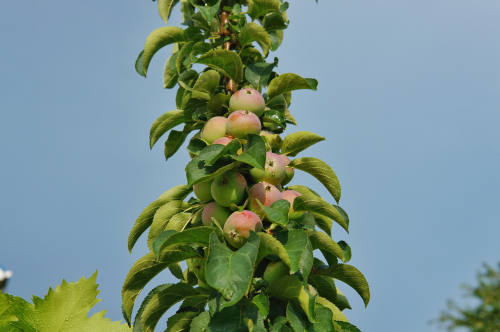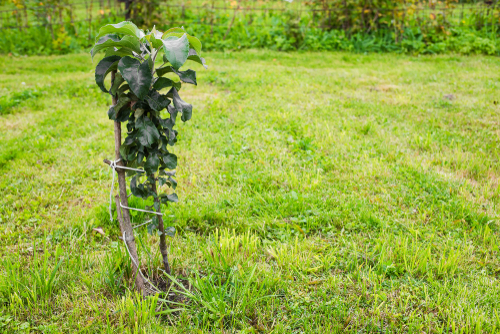
Columnar apple trees are a total game-changer for home gardeners. If you’re working with a tiny backyard or just a balcony, these trees are perfect because they take up almost no space. Plus, compared to their full-sized cousins, they are way lower maintenance when it comes to pruning and general care.
Keep those side shoots in check
You might think a tree that stays this slim would need constant hacking to keep its shape, but it’s actually the opposite! Columnar apples need much less pruning than standard apple trees. They naturally grow around one strong central leader (the main trunk), which gives them that signature “pillar” look. The side branches stay short and often start blooming and fruiting as early as the second year after planting.
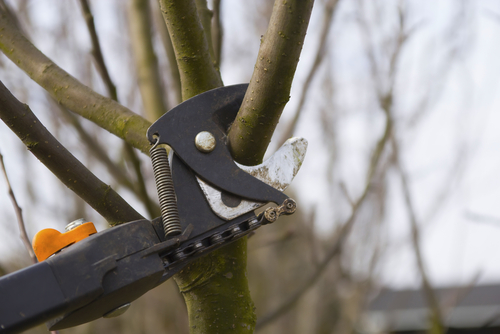
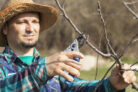
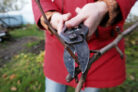
That’s a huge win compared to big apple trees, which can take years to give you your first harvest. You really only need to prune if a side branch starts getting a little too ambitious. To keep that sleek silhouette, snip any runaway branches right at the main trunk. Make sure you cut them flush so there’s no stub left behind; otherwise, you’re just inviting the tree to grow back even more aggressively in that spot.
Just keep a casual eye on your tree to make sure it isn’t losing its shape. If it starts looking a bit shaggy, trim the side shoots back to about 6 inches. The best time to do this is mid-June. Pruning in the summer helps slow down the growth and actually encourages the tree to develop more flower buds for next year.
Don’t touch the central leader (mostly)
While you’re keeping an eye on the side branches, you can pretty much ignore the main central leader for the first eight years or so. Eventually—usually between year eight and ten—your columnar apple might get a little too tall for comfort. If you’re growing it on a balcony with a ceiling, you might need to top it sooner. It really just depends on the specific variety you have.
When it’s time to cap the height, just snip the top of the main trunk at your desired level. Late summer (around the end of August) is the ideal time for this. One pro tip: don’t try to let your columnar apple grow multiple main trunks. It might look fuller, but your harvest and fruit quality will definitely take a hit.
Also, don’t panic if your tree doesn’t produce a massive crop every single year. Apple trees sometimes go through “biennial bearing,” meaning they take a year off if they worked too hard the previous season. If you notice your tree is absolutely loaded with tiny apples in the spring, you can thin them out by late May or early June. Removing some of the fruit early helps the tree save enough energy to produce another great crop the following year!