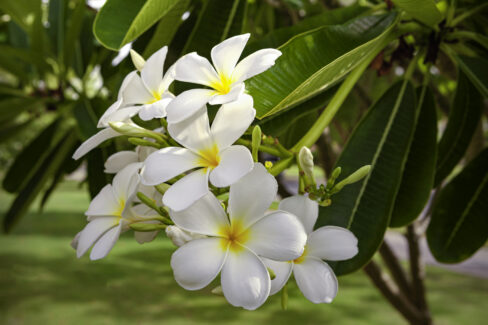
Spider mites aren’t just a nuisance; they are some of the most stubborn pests you’ll ever deal with in your garden. These tiny critters absolutely love warm, dry air, which is why they usually crash the party while your plants are overwintering indoors. That said, if we have a particularly hot, dry summer, they’ll happily set up camp outside, too.
Spider Mites (Tetranychidae) at a Glance
- Found all over the world
- Roughly 1,200 different species
- Only the *Tetranychinae* subfamily actually spins webs
- Tiny size: only 0.01 to 0.03 inches long
- Colors range from yellowish and green to bright orange or red
Spotting the Damage
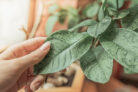
Because they are so microscopic, you’ll almost never see a spider mite with the naked eye. Plus, they love to hide out on the undersides of leaves. Instead of looking for the bugs themselves, keep an eye out for these changes in your foliage:
- Early stage: Tiny yellowish speckles or stippling
- Middle stage: Leaves take on a silvery sheen
- Final stage (before leaf drop): Leaves turn grayish-brown, dry out, and die (necrosis)
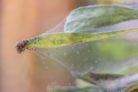
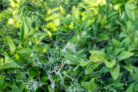
The “smoking gun” for a spider mite infestation is their webbing. Since these mites and their babies are picky eaters, you’ll usually spot webs on tender new growth and flower buds first. If the infestation gets worse, they’ll eventually wrap the older parts of the plant in silk, too.
How to See the Webs
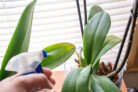
Often, you won’t notice the webs until they are full of mites at various life stages—they look like tiny white dust motes caught in a veil. A pro tip for spotting them: give your Plumeria a light misting or check it after a rain shower. The water droplets get caught in the silk, making the webs “glow” so they are much easier to see.
The Damage Done
Spider mites survive by sucking the life out of your plants—literally. A single mite can pierce a leaf about 20 times per minute to feed on the sap. This constant “stabbing” leaves the leaf surface looking like a pincushion, which eventually causes the foliage to wither and die.
How to Fight Back
If you want to be 100% sure you’ve kicked the infestation, a radical pruning of your Plumeria is often the only way to go. Even then, don’t let your guard down! These pests are famous for reappearing weeks or even months later.
If the infestation is still in the early stages, you can try to beat them with high humidity. However, just misting the plant or leaving it in the rain usually won’t cut it. The “plastic bag method” (creating a mini greenhouse) works wonders, but you should only try this when the plant is actively growing, not during winter dormancy.
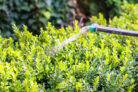
As for the “chemical big guns,” be careful. Spider mites are notorious for developing resistance to pesticides. If you go the chemical route, it’s best to rotate between different active ingredients to keep them from getting cozy.