Hydrangeas are absolute showstoppers when they’re in full bloom, but if you want to take your garden’s “wow factor” to the next level, try training yours into a pyramid shape. Whether you’re growing them in large patio containers or right in your garden beds, a pyramidal hydrangea adds a touch of structured elegance to any space. Here’s the lowdown on how to create and care for your own floral masterpiece.
How to Shape Your Hydrangea Pyramid
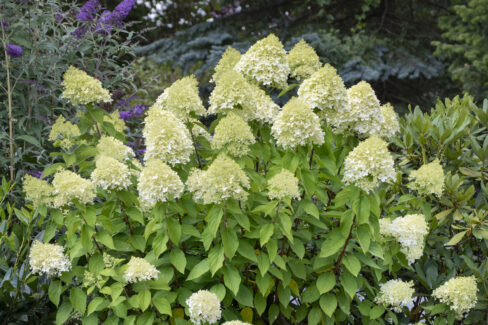
The good news is you don’t need a special hybrid or a fancy grafted plant to get this look. It’s all about choosing the right variety and a little strategic pruning. Look for hydrangeas that naturally have a more upright, narrow growth habit. Often, these plants will naturally start to form a wide base with a tapering top. Panicle hydrangeas (Hydrangea paniculata) are usually your best bet for this project because they are super sturdy and easy to shape.
When it’s time for pruning your hydrangea, you’ve got to know which variety you’re working with. Some hydrangeas bloom on “new wood” (this year’s growth), while others bloom on “old wood” (last year’s stems). If you have a variety that blooms on old wood, a radical haircut might mean no flowers next summer! For a pyramid shape, I recommend sticking with varieties that handle heavy pruning well. This allows you to clip back the sides and top regularly to keep that silhouette looking sharp.
Caring for Your Pyramid
To make that pyramid really pop, you need a healthy plant that’s loaded with blooms. A well-fed hydrangea is a happy hydrangea, and it’ll reward you with a stunning display during its blooming season. Make sure you’re keeping the soil moist—they don’t call them “hydra”-ngeas for nothing! You’ll also want to stay on top of a feeding schedule using the right fertilizers. You can use a high-quality store-bought hydrangea food or go the organic route. Of course, picking the perfect spot in your yard is half the battle.
Here’s what your hydrangea is looking for in a home:
- Soil with an acidic pH level
- Full shade or partial shade (avoid that harsh afternoon sun!)
- A spot that’s sheltered from strong, drying winds
One of the best parts about these plants is that you can snip those gorgeous blooms to dry them for indoor arrangements. Just a quick tip for the end of the season: try not to prune too heavily in the fall. Leaving the spent blooms and stems intact over the winter actually provides a bit of a natural “blanket” to protect the plant’s crown from the freezing cold.