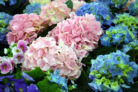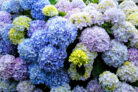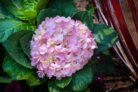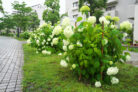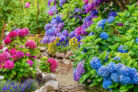
If you’ve been dreaming of adding a splash of color to your garden with lacecap or mophead hydrangeas, the “Endless Summer” collection is a total game-changer. These beauties are famous for their stunning blooms and reliable performance. To help you get the most out of yours, I’ve put together some of my favorite tips for keeping them happy and healthy.
Planting Your Endless Summer Hydrangea
One of the best things about Endless Summer hydrangeas is that they are incredibly hardy and resilient. However, to make sure they really show off during their blooming season, you’ll want to give them a great start. Aim to plant your hydrangea between May and October, and be sure to give them plenty of elbow room by checking the recommended spacing between plants.
Step-by-Step Planting Guide:
- Give the root ball a good soak in a bucket of water before planting.
- Pick the perfect spot in your garden.
- Dig a hole that’s about twice as wide as the root ball.
- Mix some ericaceous (acidic) soil or peat-free hydrangea compost into the hole.
- Set your Endless Summer hydrangea in place.
- Fill the rest of the hole with soil and firm it down gently.
For the first two weeks, make sure to water your new hydrangea regularly. They need a bit more hydration while they’re establishing their roots than they do once they’re settled in. I also highly recommend adding a layer of bark mulch. It’s a triple threat: it holds in moisture, releases nutrients slowly, and provides a nice layer of insulation for the roots during the winter.
Finding the Perfect Spot
If you want a bush loaded with flowers, location is everything. You’ll want to find a spot with partial shade—somewhere that gets plenty of bright light but isn’t baking in the harsh afternoon sun all day. These hydrangeas love soil that is neutral to slightly acidic. In fact, that acidic soil is the secret to getting those gorgeous blue blooms! If your soil isn’t quite there, you can adjust the pH with specific fertilizers to nudge the color in the direction you want.
Make sure the soil drains well, too. Hydrangeas hate “wet feet,” and standing water can cause serious root issues. On the flip side, don’t let them bone dry out either; they’ll need a drink during those hot, dry summer spells. Whether you plant them as a focal point, a hedge, or in a large pot, they’ll be happy—just remember that container-grown hydrangeas will need a bit more frequent fertilizing.
What your Endless Summer soil should look like:
- A pH value between 5.0 and 6.0
- Well-draining but moist substrate
- Rich in nutrients to support all those leaves and flowers
Pruning Your Endless Summer Hydrangea
When it comes to pruning Endless Summer hydrangeas, less is usually more. For the first few years, you can pretty much let them do their thing. As the plant gets older, a little maintenance can help encourage new growth and keep it looking fresh. Just make sure your shears are sharp and clean before you start—dirty tools can spread disease, and we want to keep your plants healthy!
How to prune:
- Deadhead spent blooms regularly to keep the plant looking tidy.
- You can thin out the shrub in late summer or fall if it’s getting too crowded.
- In the spring, do a light “tidy-up” prune to maintain the shape.
- While you’re at it in the spring, snip off any stems that suffered frost damage, cutting back to where the wood is healthy.
Feeding Your Plants
Hydrangeas are “heavy feeders,” meaning they need plenty of nutrients to produce those massive flower heads. If they’re underfed, you might end up with a lot of green leaves but very few flowers. During the growing season, they need a steady supply of energy. Just be careful to choose a fertilizer that won’t mess with your soil’s pH in a way you don’t want.
Great options for feeding your hydrangea:
- A mix of leaf compost, horn meal, and even some coffee grounds.
- Specialized hydrangea fertilizer.
- Rhododendron or azalea fertilizer (which is great for maintaining acidity).
Winter Care Tips
While Endless Summer hydrangeas are naturally winter-hardy—and unique because they bloom on both old and new wood—a little extra protection goes a long way. This is especially true for young plants or hydrangeas in pots, which are more vulnerable to the cold than established garden plants.
How to protect them from the chill:
- Cover garden plants with brushwood, evergreen boughs, or a bit of straw.
- Wrap potted hydrangeas in garden fleece or felt.
- You can also move pots into a cool, frost-free basement for the winter.
- Once spring arrives, simply prune away any tips that didn’t survive the frost.
Changing the Bloom Color
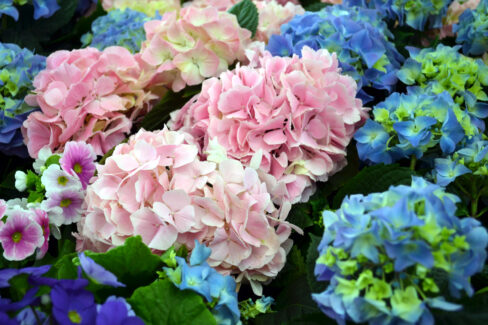
One of the coolest things about Endless Summer hydrangeas is that you can actually play chemist with the flower colors! You can steer them toward blue or pink just by tweaking the soil pH. If the soil is more alkaline, the flowers will turn pink. If you lean into the acidic side, you’ll get those classic blue hydrangea shades.
How to control the color:
- For pink flowers: Aim for a pH of around 6.0 by adding lime.
- For blue flowers: Aim for a pH of around 5.0 by adding aluminum sulfate (often sold as “blueing agent”).
- If your soil is somewhere in the middle, you’ll often get stunning multi-colored or purple blooms on the same plant!