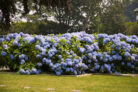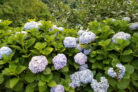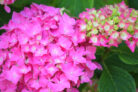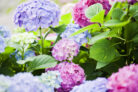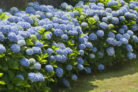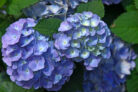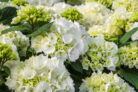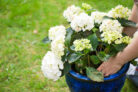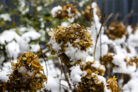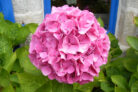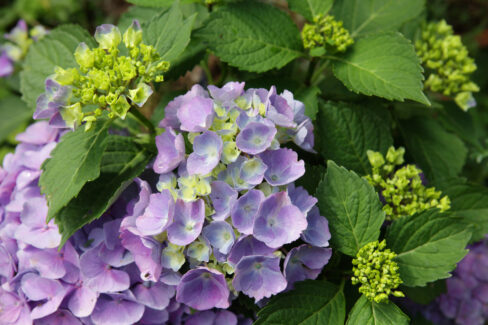
Hydrangeas are easily some of the most beloved plants you’ll find in any backyard. Known scientifically as *Hydrangea*, their lush green foliage and stunning blooms brighten up gardens all across the globe. If you’ve ever wondered where they get their name or what makes them so special, here’s the scoop on these garden favorites.
The Meaning Behind the Name
The common name “Hydrangea” actually has some pretty cool roots. It comes from the Greek words *hydro* (meaning water) and *angeion* (meaning a water vessel or pitcher). When you look at the shape of their seed capsules, they look just like little water jugs! Plus, as any gardener knows, these beauties are famous for their love of water. Seeing them in full bloom during their flowering season is truly one of the highlights of the gardening year.
Hydrangeas come in a rainbow of colors and originally hail from places like China, Japan, and parts of the Americas. Because many varieties are quite hardy, they can handle colder winters, making them a fantastic choice for gardens in many different climates.
A Little History: How They Got Here
It’s believed that the first hydrangeas made their way to Europe around 1736, thanks to a man named Peter Collison who brought them over from North America. By the early 1800s, hydrangea bushes were already a staple in European gardens. Back then, people often grew them in large pots or tubs. This made it easy to move them into a cellar to keep them safe during the winter frost. Over the years, breeders have developed all sorts of flower colors, leading to the incredible variety we see today. In France alone, there are over 800 known varieties!
Some of the most popular types include:
- Smooth Hydrangeas (like the famous ‘Annabelle’)
- Bigleaf Hydrangeas (the classic mopheads and lacecaps)
- Climbing Hydrangeas
Tips for Planting Your Hydrangeas
The great thing about *Hydrangeas* is that they are relatively low-maintenance. If you pick the right spot from the start, they’ll do most of the work themselves. The biggest rule of thumb? Make sure they have plenty of water and nutrient-rich soil. However, you’ll want to avoid “wet feet”—which is just a fancy way of saying don’t let them sit in standing water. Too much water at the base can cause the hydrangea roots to rot, which is the last thing you want for these water-loving plants.