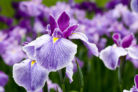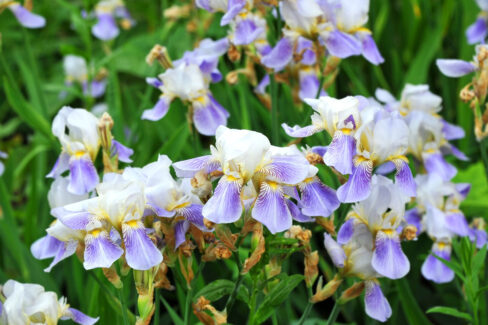
Irises are a staple in American gardens, and it’s no wonder why—they’re absolutely stunning! Most of us home gardeners usually propagate them by dividing the rhizomes, but did you know you can actually grow them from seed, too? It’s a fun project if you’re looking to try something new.
Understanding Iris Seeds
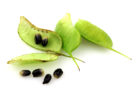
In the wild (and in your backyard), irises are pretty good at self-seeding. In fact, many gardeners actually snip off the seed pods right after the blooming season just to keep them from taking over the whole flower bed! The seeds typically ripen inside those pods by late summer. Once they’re ready, you can either sow them directly in the ground in the fall or start them indoors for a more controlled head start.
When is the Best Time to Harvest?
I’ll be the first to admit that withered iris stalks aren’t exactly the “main attraction” in a beautiful landscape. However, if you want viable seeds, you’ve got to let nature take its course. The perfect time to harvest depends on which variety you have, but generally, you’re looking at a window between late summer and fall. You’ll know they’re ready when the pods start to crack open on their own. Just make sure to let the seeds dry out a bit before you store them or get them in the ground.
Getting Those Seeds to Sprout
Fair warning: growing irises from seed is definitely a game for the patient gardener! It can take several years before a seedling finally produces its first flower. If you’re looking for instant gratification, dividing the tubers is much faster, as you’ll often get blooms by the very next year. But here’s the cool part about seeds: because of cross-pollination, you might end up with totally unique and gorgeous color combinations that you won’t find anywhere else!
If you’re up for the challenge, here are a few pro-tips to keep in mind for iris seeds:
- They are “dark germinators,” meaning they need to be covered with soil to sprout.
- They are also “cold germinators.”
- Keep the soil consistently moist during the germination process.
- They respond best to “stratification”—basically, they need a period of cold temperatures to wake them up and get them growing.