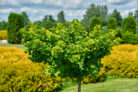
If you want a Ginkgo tree with that picture-perfect, well-shaped canopy, you’ve got to put in a little work. Left to its own devices, a Ginkgo tends to shoot straight up toward the sky rather than branching out into a beautiful crown. Regular pruning is the secret sauce to getting that look.
The Right Tools for the Job
Before you head out to the yard, make sure you’ve got the right gear. You want your tools to be razor-sharp; dull blades tear the bark, which is a big no-no. Even though Ginkgos are famously resistant to pests and diseases, it’s still a good habit to clean your tools before and after use to keep everything sterile.
Here’s your basic kit:
- A pruning saw (for the heavy lifting)
- Loppers (for medium branches)
- Hand pruners (for the small stuff)
- Tree wound sealer or grafting wax
If you’re trying to train branches to grow in a specific direction, you might also want to grab some garden twine or weights.
Timing is Everything
Technically, you can trim a Ginkgo any time of year if it’s just a quick maintenance snip. However, for real structural work, spring is your best bet. Since the tree is bare, you can clearly see the “skeleton” of the branches, making it much easier to decide where to cut to guide its growth.
The sweet spot is right after the last frost but before the first leaves start popping out. Pruning during this window actually helps kickstart healthy new growth for the season.
Formative Pruning (Shaping)
The goal here is a balanced, even canopy. This is usually an annual task where you head out and shorten the main and side shoots to maintain a tidy silhouette. If you see any particularly aggressive branches starting to “bolt” and ruin the shape, just pinch or snip the tips back.
During this process, keep an eye out for branches that are getting shaded out by others. If they don’t get enough light, they’ll eventually go bare, so it’s better to remove them early. Just remember: when you’re shaping, try to avoid cutting back into the old, heavy wood. Bonus tip: this is the perfect time to take cuttings if you want to propagate new little Ginkgos!
Rejuvenation Pruning
If you’ve inherited an older tree that’s been neglected, a simple “haircut” might not cut it. Sometimes you need a rejuvenation prune to reset the tree’s shape.
While shaping involves small snips, rejuvenation is more “tough love”—you might find yourself removing much larger, heavier branches. Whenever you make a big cut like this, be sure to seal the wound with tree wax to help the tree heal and keep moisture out.
Maintenance Pruning
Most people handle maintenance while they’re doing their spring shaping, but it’s really an ongoing task. This involves clearing out dead, broken, or diseased wood, as well as thinning out branches that are crowding each other.
Storms happen, so if a branch breaks in the middle of summer, go ahead and prune it then. The only time you should really put the shears away is during the dead of winter or when it’s freezing out. If a branch snaps during a freeze, do a temporary patch job with some wax and wait for a thaw to make the clean, final cut. For any large cuts made outside of the spring window, always use that wound sealer to give your tree a helping hand.