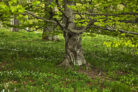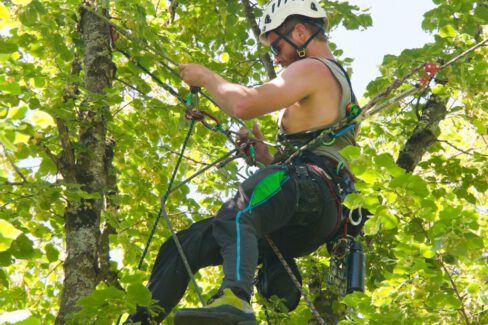
If you have a majestic beech tree standing alone in your yard with plenty of room to spread its wings, you can usually just let it do its thing—no pruning required! However, it’s a different story if your tree is hanging over a sidewalk, crowding a property line, or if you’re growing a beech hedge. In those cases, you’ll need to grab your shears every now and then.
Pruning Your Beech Tree
When a beech tree gets big, a little maintenance pruning becomes a must. Before you start hacking away, though, definitely check your local city ordinances or HOA rules. Once these trees reach a certain height or trunk diameter, they’re often protected, and there might be rules about how much you can trim.
When to Prune
You can generally prune a beech tree twice a year. The first window is in February. This is the perfect time to clear out any diseased or awkward branches and tidy up the tree’s overall shape. Keep an eye out for “water sprouts”—those thin, lanky shoots that race straight upward—and any branches crossing over each other. Once March hits, put the tools away! The tree starts its spring growth spurt then, and more importantly, it’s nesting season for birds. In many areas, heavy pruning is actually restricted during this time to protect our feathered friends.
The second window for a trim opens up in late July. After that, it’s best to leave the tree alone until winter unless it’s an absolute emergency.
The Exception: Newly Planted Trees
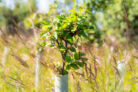
If you’re planting a new European beech in the fall so it can get established before winter, you’ll want to give it an initial “training cut” right after it goes in the ground:
- Trim back the crown of the young tree.
- Shorten the branches by about one-third.
- Always make your cut just above a bud.
- Make sure at least three buds remain on each shoot.
This early haircut encourages the young tree to branch out beautifully, leading to a much fuller, bushier crown down the road. To help your tree bounce back from the stress of planting and pruning, keep it well-watered. Just be careful not to overdo it—beech roots hate “wet feet,” and standing water can lead to root rot.
Growing Beech as a Bonsai
European beeches are incredibly hardy and handle pruning like a champ, which makes them a fantastic choice for bonsai lovers. While wiring helps shape them, you’ll mostly achieve that classic bonsai look by regularly pinching back and trimming the twigs to maintain the scale.
Beech Hedges
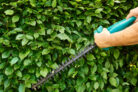
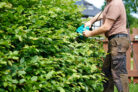
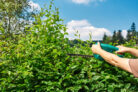
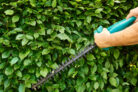
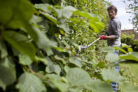
If you’re using European beech as a living fence, you’ll want to give it a good trim at least once a year. This keeps the height in check, removes any deadwood, and keeps the shape looking sharp. Just a friendly reminder: always double-check for active bird nests before you start. Cutting into a hedge during nesting season isn’t just bad for the birds—in some places, it can actually land you a pretty hefty fine!