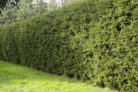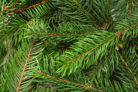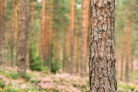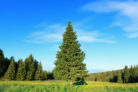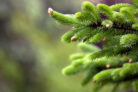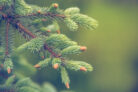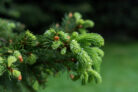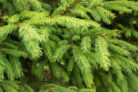
Under the right conditions, a spruce tree can reach a towering height of nearly 200 feet! But it’s not just about that massive canopy reaching for the sky; these trees also develop an incredibly deep and wide-reaching root system. Don’t worry, though—if you don’t have a massive forest in your backyard, there are plenty of compact spruce varieties perfect for home gardens.
What Makes a Spruce Thrive?
Not every spruce grows at the same speed or reaches the same size. How fast and big your tree grows usually comes down to two main things:
- The specific variety of spruce
- The local sunlight and soil conditions
Choosing the Right Variety
The most famous member of the family is the Norway Spruce. You’ll mostly see these in forests or on large properties where they have plenty of room to spread out. If you’re looking for something for your yard or even container gardening, you’ll want to look into dwarf varieties.
Sunlight and Soil Needs
Interestingly, while spruce trees can actually grow a bit faster in shady spots, they really prefer sunny locations to stay healthy. For the soil, they love a spot that drains well but stays consistently moist.
Annual Growth Rates
How much height will your tree put on each year? While it depends on the species and the environment, you can generally expect a healthy spruce to grow about 12 inches per year.
Maximum Height
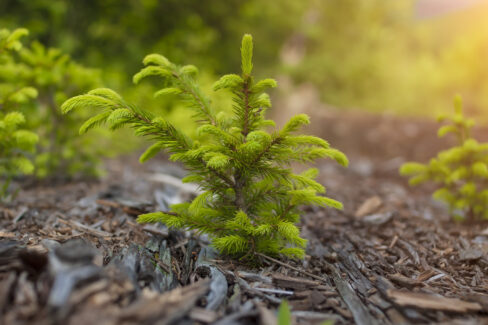
A full-grown Norway Spruce can hit a massive 200 feet at maturity. On the flip side, dwarf species like the Dwarf Alberta Spruce usually top out at around 6 or 7 feet. These smaller types are fantastic for bonsai projects or as focal points in patio pots and planters.
How Long Do They Live?
In a commercial forest, spruce trees are usually harvested for lumber when they’re between 80 and 100 years old. But if left to their own devices in the wild, these sturdy trees can live to be a staggering 600 years old!
Canopy and Shape
Most spruce trees naturally grow into a very symmetrical, classic cone shape. However, breeders have developed some unique forms over the years. For instance, the Serbian Spruce is not only shorter than the standard variety, but it also has a much narrower, slender canopy—perfect for tighter spaces.
Spruce Trees in Your Garden
Because they can get so huge, a standard Norway Spruce isn’t the best fit for every backyard. If space is tight, definitely look into dwarf varieties. One of the most popular choices for home gardeners is the Dwarf Alberta Spruce (often called the “Sugar Loaf” spruce), which stays nice and compact while keeping that beautiful evergreen look.