While fig trees are pretty hardy and handle pruning well, doing it the wrong way can really tank your harvest. To keep your tree happy and full of fruit, you need the right technique and—just as importantly—the right gear.
The Right Tools
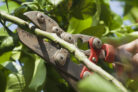
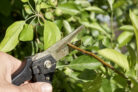
When you’re ready to trim your fig, reach for a pair of bypass pruners. Avoid anvil pruners at all costs! Anvil blades tend to crush the wood and bark rather than slicing through it. This crushing damage can cause the branch to die back further than intended, killing off those precious fruit buds you’re banking on.
For bigger jobs, you’ll want a sturdy pair of loppers on hand. Sometimes a sharp knife comes in handy too, especially if you’re planning on taking cuttings. If you end up making any large cuts, it’s a good idea to seal them with a tree wound dressing. This acts like a bandage, keeping diseases from hitching a ride into your tree.
Timing is Everything
The sweet spot for pruning is early spring, right before the new growth starts popping out. If your fig is planted in the ground, wait until the threat of frost has passed. For potted figs that spent the winter indoors, give them a trim just before you repot your container plants.
You don’t actually need to prune a fig every single year. Usually, the only reason to do an annual trim is if you’re trying to keep a container-grown tree from taking over your patio.
Pruning Technique
Naturally, figs like to grow as bushy shrubs with multiple stems coming up from the ground. However, you can totally train them into a “standard” (a little tree with a single trunk). If that’s the look you’re going for, prune away any side shoots right against the main trunk. Using a sharp knife to clean up these cuts can help prevent the shoots from growing back.
If your tree is getting too dense, thin it out a bit. You want sunlight to reach all the branches evenly—more sun means much tastier, sweeter fruit! Also, go ahead and clear out any “weak” or stunted growth, as those branches won’t produce much anyway.
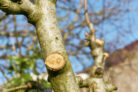
When you’re just pruning to control the size, only cut back by one or two “eyes” (buds). Remember: figs fruit on old wood. If you hack away too many multi-year-old branches, you’re cutting away your harvest. Avoid radical “hard” pruning unless it’s absolutely necessary, because the fig will produce significantly less fruit afterward.
Dealing with Frost Damage
If your fig stays outside all winter, the tips of the branches might get nipped by the frost. Don’t be too quick with the shears, though—wait until you’re 100% sure the wood is actually dead. Young trees especially are only somewhat winter-hardy and need extra protection during their first few years.
When dealing with frost damage, wait until you see the first signs of new growth. Trim the damaged branches back just to the edge of the healthy wood. Cutting too deep into the healthy part of the tree during this time can stress the plant and lead to fewer flowers.
Taking Cuttings
Older fig trees put out a lot of new growth, which is perfect if you want to start some new plants from cuttings. Your cuttings should be at least 6 inches long and have at least three eyes. Spring is the best time to take these. Look for wood that isn’t too “woody” or hard yet; the greener (but firm) sections root much easier than old, thick wood.
You can root your cuttings directly in water. Just make sure to change the water every two days so it stays fresh and bacteria-free. You can also root them straight in soil, though that takes up a bit more space and requires a little more hovering on your part!