If you’re dreaming of a massive raspberry harvest this year, getting handy with your garden shears is the secret to success. Without a good pruning, your raspberry bushes will quickly turn into a tangled mess. When that happens, sunlight can’t reach the center of the plant, and the bush wastes all its energy on weak, unproductive canes. To keep your garden thriving, you’ll need to know the right way to trim both summer-bearing and fall-bearing varieties. Here’s everything you need to know to get it right.
The Big Difference Between Summer and Fall Raspberries
Before you start clipping away, you’ve got to know what kind of raspberries you’re growing. Summer-bearing and fall-bearing (everbearing) types have very different “personalities” when it comes to pruning.
Summer-bearing raspberries only grow fruit on the canes that grew the previous year. If you accidentally cut those down, you won’t see a single berry! Fall-bearing raspberries, on the other hand, produce fruit on this year’s fresh growth. These are usually cut back right after the fall harvest.
When to Prune Your Raspberry Varieties
Timing is everything if you want to see those big, juicy berries. Here is the schedule you should follow:
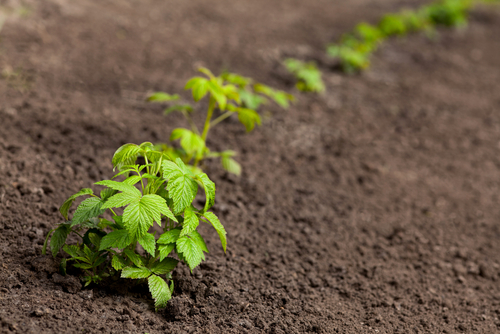
- Planting & Training Prune: For both types, do this immediately after planting. This helps the bush stay manageable and ensures plenty of light reaches the canes from day one.
- Summer-Bearing Raspberries: These need a “haircut” twice a year—once in late winter (February or March) and again in the summer right after harvest. The spring prune keeps the height in check, while the summer prune thins out the bush.
- Fall-Bearing Raspberries: These are low-maintenance! Just prune them once a year, either in late fall after the harvest or in early spring. This keeps the plant young and productive.
Initial Pruning and Training for Summer Raspberries
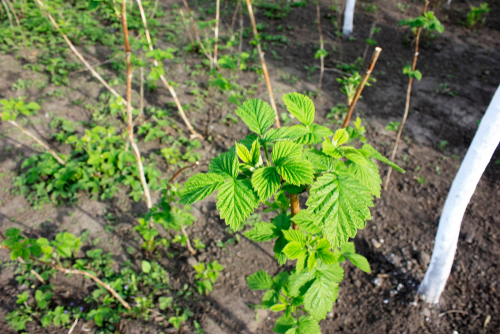
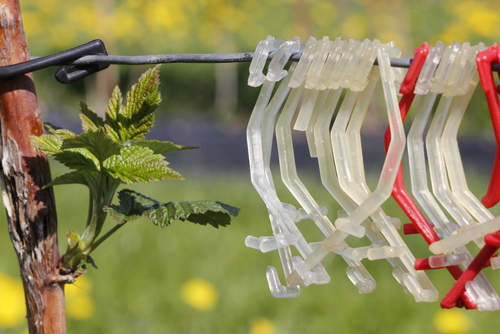
Summer raspberries do best when grown on a trellis made of wooden posts and wire. Space your plants about 20 inches apart and try to plant them in the fall so the roots can settle in before spring. Here’s how to handle the initial cut:
- Right after planting (or by February at the latest), cut all canes back to about 12 inches—make sure about four “eyes” or buds remain on each.
- Mulch the base with autumn leaves and weigh them down with compost or evergreen branches.
- In May, pick the 5 to 10 strongest canes and tie them to your trellis.
- Cut any extra, weaker shoots right down to the ground.
Pruning Summer Raspberries Twice a Year
Using a trellis makes it much easier to tell the difference between “old” canes and “new” canes. You want to make sure you don’t accidentally chop off the canes that are supposed to fruit next year! The best way to stay organized is to prune immediately after you finish harvesting. Here’s the play-by-play:
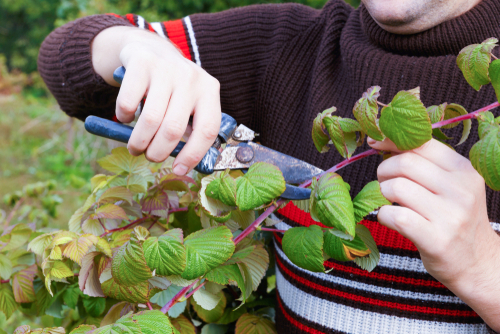
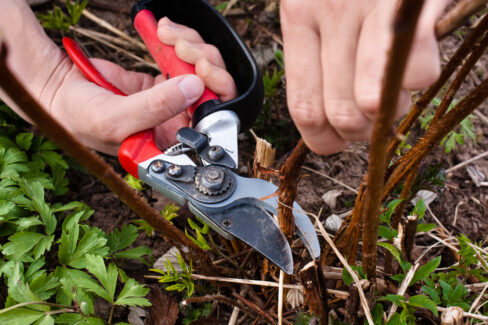
- Once you’ve picked the last berry, cut all the canes that just fruited down to about a hand-width above the ground.
- Pick the 10 strongest new canes that grew this season and tie them to the trellis for next year.
- Remove any leftover thin or crowded shoots at ground level.
Pro Tip: Always wear thorn-proof gardening gloves (like rose gloves) when working with raspberries—your hands will thank you!
Fall-Bearing Raspberries: The One-and-Done Method
If you like things simple, you’ll love fall-bearing raspberries. Aside from the initial training when you first plant them, they only need to be pruned once a year. You don’t have to worry about which cane is which, because you’re going to treat them all the same. Just follow these steps:
- Wait until the harvest is totally over.
- Cut every single cane down to about a hand-width above the soil.
- Cover the area with leaves, evergreen brush, or compost to tuck them in for the winter.