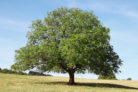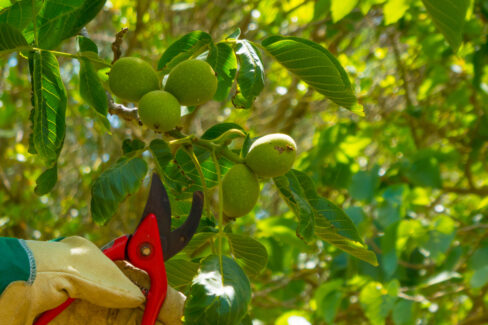
Walnut trees are absolute showstoppers in any yard, mainly because they can grow into massive, majestic giants reaching up to 100 feet tall. Because they get so big, I often get asked: “Can I actually prune my walnut tree, and is it even worth doing regularly?”
Don’t Panic if Your Tree “Bleeds”
When you start pruning a walnut tree, don’t be alarmed if you see a heavy flow of sap from the cuts. In the spring, the sap pressure is at its peak, so cutting then will result in a lot of “bleeding.” This sap is actually part of the tree’s natural wound-healing process and usually stops on its own. However, timing is everything! To minimize the mess, wait until early fall after the leaves have dropped. At this point, the tree enters a dormant phase, and the sap flow slows down significantly.
The Best Time to Prune
The golden rule for when to prune a walnut tree is early autumn, right after the leaf fall. Not only is the sap flow lower, but the tree has enough time to start healing before the harsh winter frosts set in. If you prune in spring or summer, you’re going to deal with a much heavier sap flow.
Another pro-tip: Pruning in early fall protects your future harvest. Walnut trees actually start developing their flower buds for the following year during the previous winter. If you prune in late winter or spring, you’ll accidentally chop off next year’s nuts! Getting it done in early fall—before those buds fully set—keeps your harvest safe.
A Quick Note on Local Regulations
Always check your local ordinances before heavy pruning. In many areas (and specifically under German conservation laws if you’re traveling abroad), there are strict bans on heavy pruning between March and September to protect nesting birds. Even in the US, it’s just good practice to check for nests before you start clipping!
Training for a Beautiful Canopy
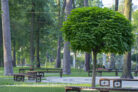
If you want that classic, dense, rounded look, you’ll want to do some “training” while the tree is young. Aim for a central leader (the main trunk) and about three strong lateral branches. Try to pick branches that grow out at different angles to create a balanced foundation. One big rule: Never chop off the very top of that central leader!
The “Stub” Method (Zapfenschnitt)
Walnut trees are a bit sensitive; if you cut too deep into the old wood, the tree struggles to heal, which can lead to rot. Instead of cutting flush to the trunk, use the “stub” method for thicker branches:
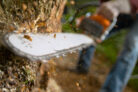
Cut thicker branches leaving a “stub” (or peg) about 8 to 10 inches long. Over the next two or three years, this stub will naturally dry back by about half, and then you can safely remove the rest. This method also works for removing damaged branches. Eventually, new shoots will often sprout from the base of these stubs, keeping the tree rejuvenated.
Keeping Your Walnut Tree Small
If you’re trying to keep your tree small, you have to start training it from day one. Don’t just trim the top, or you’ll end up with a tree that explodes outward in width. You need to prune the entire canopy evenly to maintain a compact shape.
Pruning Won’t Give You More Nuts
With most fruit trees, pruning equals more fruit. Surprisingly, that’s not the case with walnuts. Pruning doesn’t actually increase the number of flowers or nuts. If you want a bumper crop, it’s less about the shears and more about the right location, good soil, and favorable weather.
Walnut Trees as Bonsai
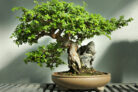
Yes, you can even grow a walnut bonsai! It takes a lot of patience and a steady hand, but after a few years of careful, regular clipping, you can train a walnut tree into a beautiful miniature form. Just keep in mind that consistent, light maintenance is key to keeping that tiny shape.
Common Pruning Mistakes to Avoid
Pruning mistakes can sometimes lead to long-term damage, but most are easy to avoid if you have a plan. Here are the big ones to watch out for:
- Skipping the “Training” Phase: If you don’t shape the tree early on, it will grow into a messy, lopsided shape. Aim for that strong central trunk and three main side branches.
- Bad Timing: Pruning in summer or winter leads to excessive sap loss. Stick to early fall for a happier tree.
- Cutting Too Close: If you don’t leave a stub on branches thicker than two inches, the wound might not heal properly, leading to wood rot. Always leave those 8-10 inch stubs on the big stuff!