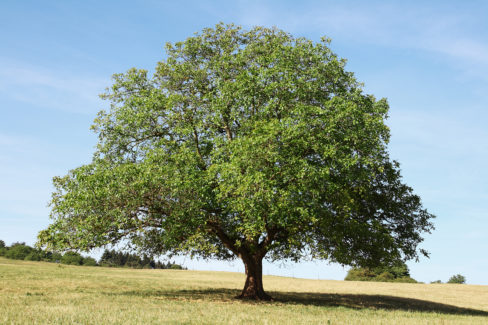
Walnut trees are famous for their massive, sprawling canopies. While they look majestic, they can definitely take over your yard if you don’t keep them in check! Pruning them is the best way to maintain their shape, but you have to be careful—walnuts are “bleeders,” meaning they have a very heavy sap flow that can be tricky to manage.
The Challenge: Dealing with Sap Flow
Walnut trees have an incredibly strong internal pressure. When you make a cut, the sap flows out almost like a wound. While a little sap helps clean and heal the cut, losing too much for too long can actually weaken the entire tree. That’s why a gentle, strategic approach is key when you head out with your shears.
Why Prune at All?
Unlike many fruit trees, pruning a walnut tree won’t actually increase your harvest. Since you aren’t doing it for more nuts, the main reasons to prune are:
- Keeping that massive canopy under control.
- Taking cuttings for propagation.
- Removing branches affected by disease or pests.
Managing the Canopy
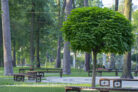
Left to their own devices, walnut trees grow wide and wild. Regular maintenance pruning is the only way to keep the tree fitting beautifully within your landscape.
Timing is Everything
The absolute best time to prune a walnut tree is in the late summer or early fall (usually August through September). This is when the sap flow is at its lowest point. If you try to prune in the spring, you’ll likely deal with a massive, sticky mess that’s hard to stop!
Keep a Regular Schedule
To avoid having to do a “radical” chop later on, aim to prune your walnut tree every five to ten years. This keeps the shape manageable without shocking the tree.
Start by thinning out any dead, frost-damaged, or awkwardly crossing branches. For thin shoots, you can cut them right back to the branch collar. However, for thicker branches (anything over two inches in diameter), it’s better to leave a “stub” or “peg” about 4 to 8 inches long rather than cutting flush.
Preventing Major “Wounds”
By leaving those short stubs (pegs) on larger branches, you prevent the wood from drying out too deep into the main trunk and help minimize sap loss. This method also encourages healthy new growth. Over the next few years, new shoots will sprout from these pegs.
Once they start growing, just pick one or two of the strongest new shoots to keep and clear away the rest, along with the remains of the dried-out peg.
Dealing with Suckers and Water Sprouts
You don’t have to wait years to tidy up the small stuff. You can remove “wild” growth or suckers whenever you see them. To stop them from coming back, cut trunk sprouts vertically right against the bark. For shoots popping up from the root zone, it’s often better to pull them off rather than cutting them to discourage regrowth.
Turning Upright Shoots into Fruiting Wood
Did you know you can train some of those vertical “competitor” shoots to actually produce nuts? Instead of cutting them all off, pick a few well-placed upright branches and gently tie them down so they grow at about a 45-degree angle. This slows down the leafy growth and encourages the tree to start producing flowers and nuts on that branch instead!