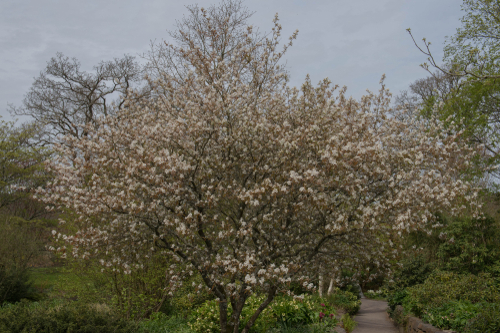
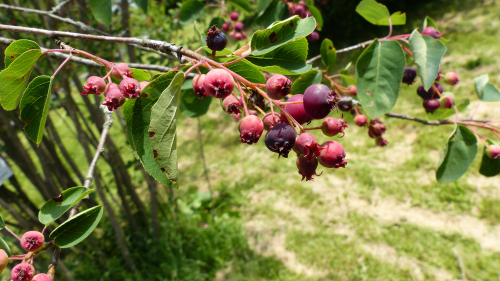
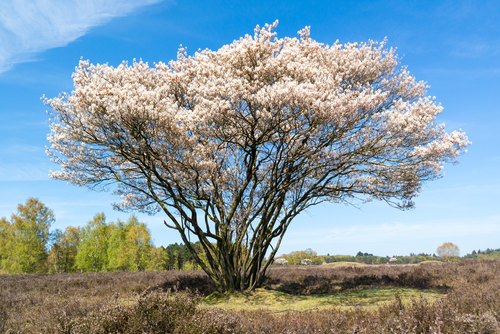
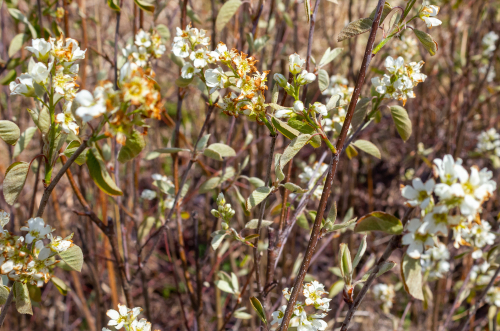
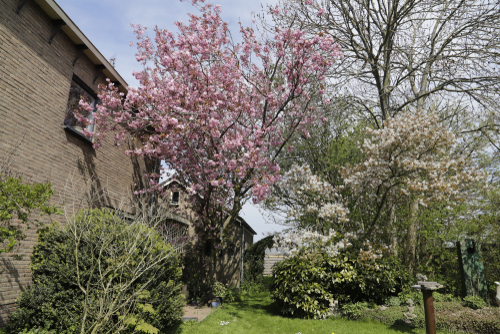
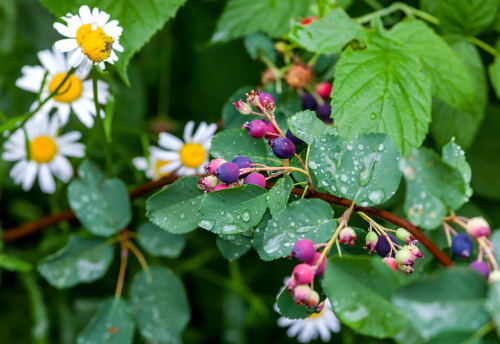
The serviceberry (or Juneberry, as some folks call it) has a bit of a “reach for the sky” attitude. Unless you’re dealing with a dwarf variety, these beauties naturally want to grow into tall, multi-stemmed trees with wide, spreading crowns. But if you’re dreaming of a sleek, upright “obelisk” look for your garden, you’ve got to start early.
How to Grow a Serviceberry Obelisk
If you want to make your life a whole lot easier, start by picking a variety that’s already genetically inclined to stay slim. The Columnar Serviceberry (*Amelanchier alnifolia* ‘Obelisk’) is your best friend here. It naturally grows in a tight, pillar-like shape, which means way less time spent fussing with your pruning shears.
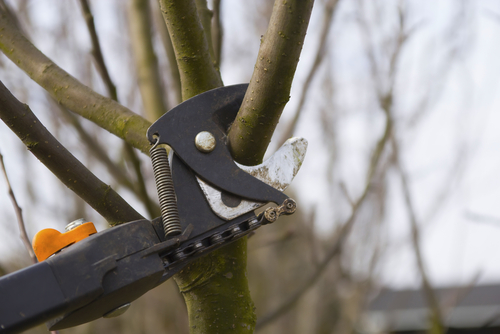
These shrub-like but upright growers usually top out between 10 and 15 feet. While they do a great job of staying narrow on their own, they’ll eventually need a little “haircut” to keep that crisp shape. Early spring is the best time for a trim. Just a heads-up: prune with a light hand! Serviceberries can be a bit unforgiving, and a bad cut can stick out like a sore thumb for years.
Can Any Variety Be Trained Into an Obelisk?
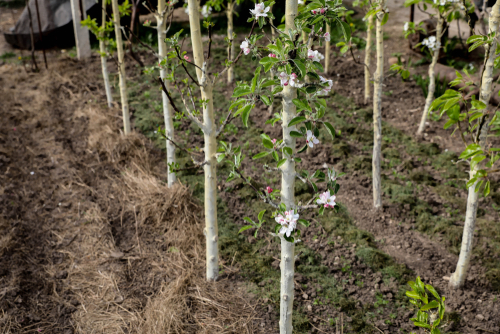
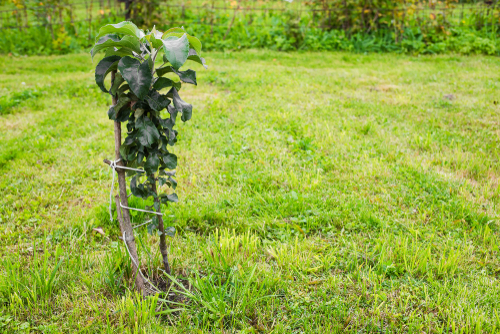
Technically, yes—but be prepared to put in the work. If you choose a standard variety, you’re going to be doing a lot more maintenance and pruning. The secret is to start shaping the plant while it’s still a youngster. Serviceberries don’t handle “radical” pruning very well once they’re fully grown, so it’s much better to guide its growth early on rather than trying to hack a massive tree into a small pillar later.
Pro Tips for Shaping Your Serviceberry
Since serviceberries naturally like to grow with multiple trunks, they can get a bit bushy for an obelisk look. But don’t reach for the saw just yet! You can actually achieve that slim, columnar silhouette by gently gathering the main stems and tying them together with a sturdy cord.
I always recommend using natural materials like sisal or raffia for this. Here’s why:
- They’re gentle on the bark and won’t cause chafing.
- They’re biodegradable and eco-friendly.
- They blend in naturally with the garden.
- You can easily adjust or loosen them as the plant grows.