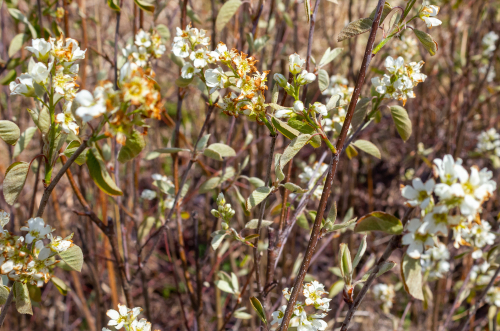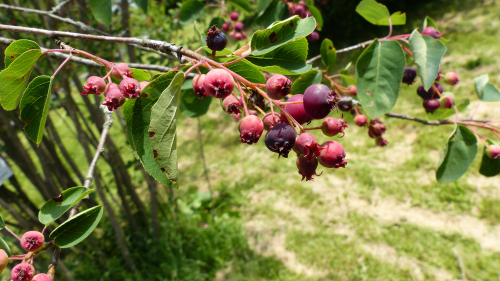
For a while there, serviceberries (also known as Juneberries or *Amelanchier*) seemed to slip under the radar, but they are making a huge comeback in nurseries and backyards alike. And honestly, I get why! They’re gorgeous, hardy, and produce delicious fruit. The best part? You don’t have to keep buying new ones. You can actually propagate them yourself pretty easily to expand your garden.
Growing Serviceberries from Seed
If you’re thinking about starting serviceberries from scratch using seeds, I have one piece of advice: pack your patience! These little guys grow quite slowly at first. You also need to know that the seeds won’t sprout unless they’ve gone through a cold snap first.
In the gardening world, we call this “stratification.” You can let nature do the work by sowing them outdoors over the winter, or you can mimic winter by popping them in the freezer for a bit. Once they’ve had their “big chill,” plant them in seed-starting mix, keep them moist, and let them grow on a sunny windowsill.
Propagating Serviceberries from Cuttings
If you’d rather use cuttings, you’ll want to take them from fresh new growth in the spring. May is usually the sweet spot for this because you can combine it with your regular light pruning. Snip off cuttings that are about 2 to 6 inches long and tuck them into some high-quality potting soil.
The key here is moisture—don’t let them dry out over the next few days! Keep your pots in a spot with shade or dappled sunlight. With a little TLC, they’ll start to develop roots. Once they’ve established a solid root system, they’re ready to head out into the garden.
Propagating via Layering and Offshoots
Another great way to get a “free” plant is through a method called layering. It’s a tried-and-true technique that works in four simple steps:
- 1. Find a long, flexible branch that is growing close to the ground.
- 2. Gently bend the branch down until it touches the soil and weigh it down with a stone or something heavy.
- 3. Cover the part touching the ground with a little mound of dirt.
- 4. Once that section has grown its own roots, just snip it away from the mother plant with clean, sharp shears.
Serviceberries also tend to grow multiple stems straight from the ground. If you see a small offshoot you like, you can try to transplant it to a new home. Just use a sharp garden spade to make a clean cut through the root connecting it to the main plant, and you’re good to go!