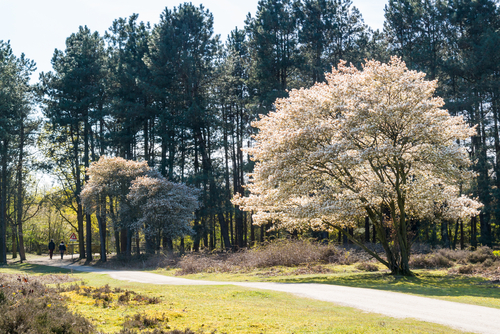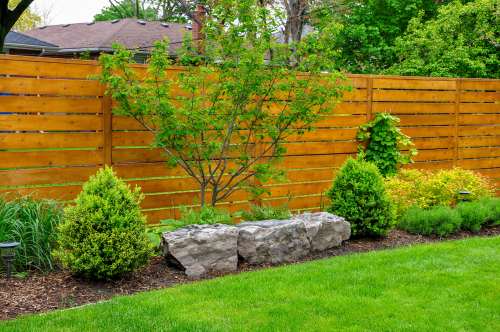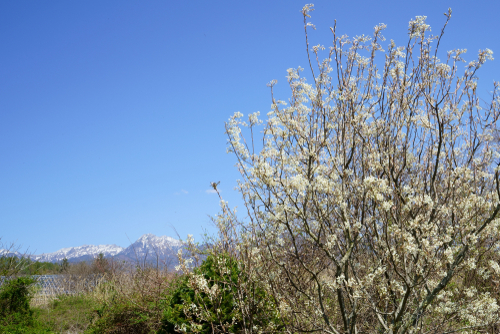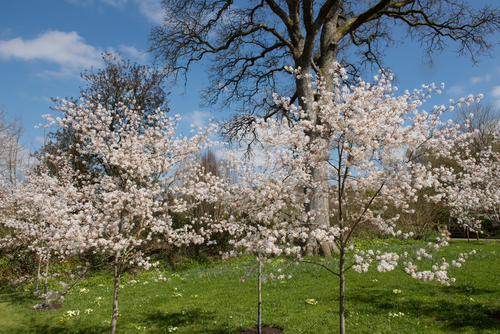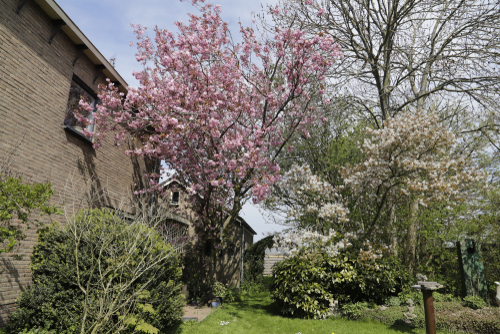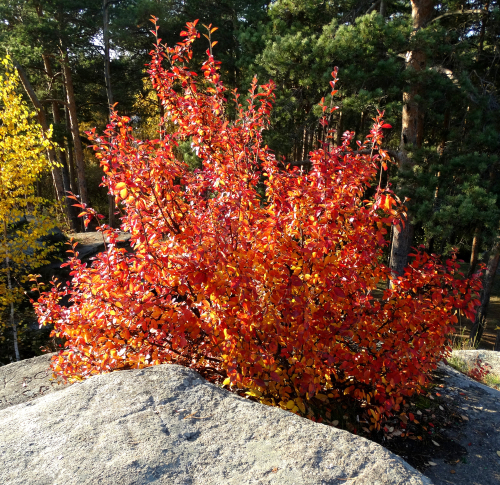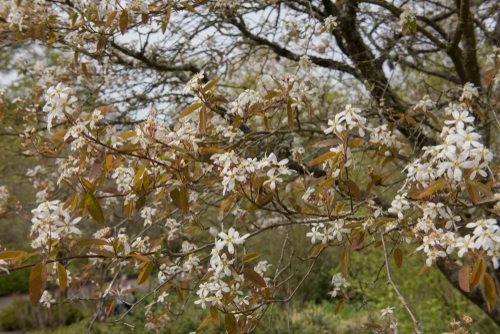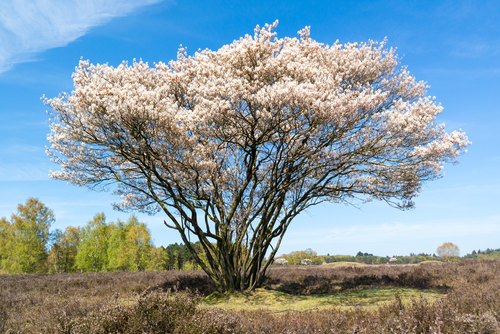
Depending on the variety, serviceberries (also known as Juneberries) can tower up to twenty feet high. If that sounds a bit too tall for your backyard, you can definitely keep them in check with regular pruning. But a word of warning: serviceberries can be a little “sensitive.” They aren’t as forgiving as other shrubs, so if you make a mistake with the shears, the plant won’t forget it anytime soon!
Choosing the Right Variety
If you’re dreaming of a shorter tree, your best bet is to start with a dwarf or naturally smaller variety. Unlike some plants that are easy to train into any shape you want, serviceberries are pretty set in their ways. Of course, how tall they get also depends on where you plant them, but here’s a quick breakdown of the usual suspects:
- **Copper Serviceberry (*Amelanchier lamarckii*):** Can reach 6 to 20 feet.
- **Common Serviceberry (*Amelanchier ovalis*):** Usually stays between 3 and 13 feet.
- **Alder-leaved Serviceberry (*Amelanchier alnifolia*):** Typically grows 6 to 13 feet.
Just keep in mind that in perfect conditions, a Copper Serviceberry can occasionally surprise you and hit the 30-foot mark!
Controlling Growth with Pruning
Using your shears to keep a serviceberry small should really be your Plan B. It’s always better to pick a smaller variety from the get-go. Older plants, in particular, tend to get a bit grumpy when you prune them—they’re more likely to pout than thank you for the haircut.
When you do prune, be strategic. You can’t just “top” them like a hedge to reach a certain height; the plant will take forever to recover from that kind of shock. However, if your serviceberry is getting too dense, you can thin it out by cutting individual branches right down to the ground. They usually handle that much better.
Keeping it Small in Containers
A fantastic way to limit a serviceberry’s height is to grow it in a large pot. Container gardening naturally stunts the vertical growth. Just make sure you choose a big enough pot so the roots have some breathing room, and definitely set up a drainage layer at the bottom. These plants hate “wet feet,” and drainage prevents the sensitive roots from sitting in stagnant water.
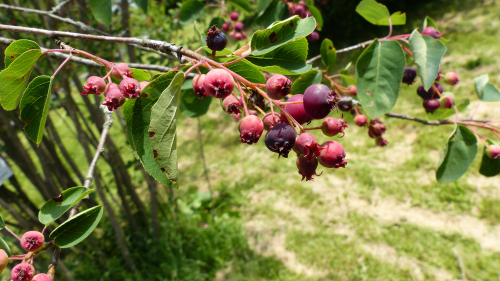
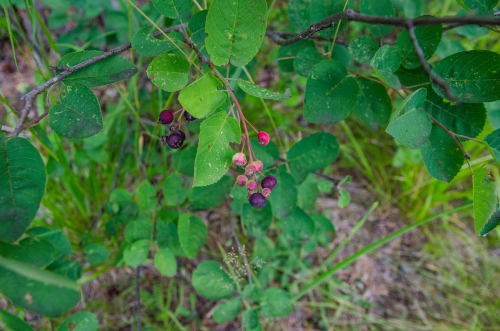
One of the best perks of a shorter tree? Harvest time is a breeze! You can reach the berries easily, and it’s much simpler to drape a bird net over the branches. Trust me, the local birds love these sweet treats just as much as you do.
The berries don’t all ripen at once, which is actually a huge plus. You’ll get to harvest them in stages, meaning you won’t be overwhelmed by a massive fruit explosion all in one day. Happy gardening!