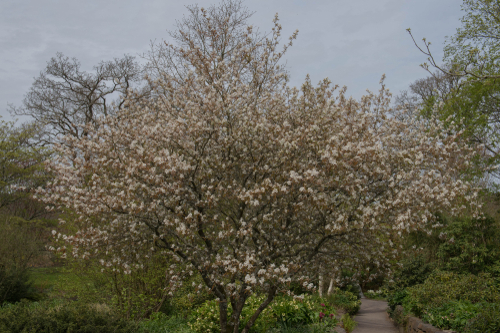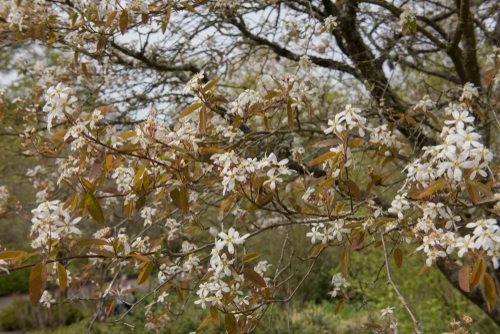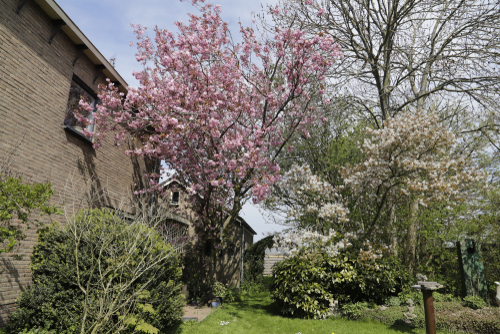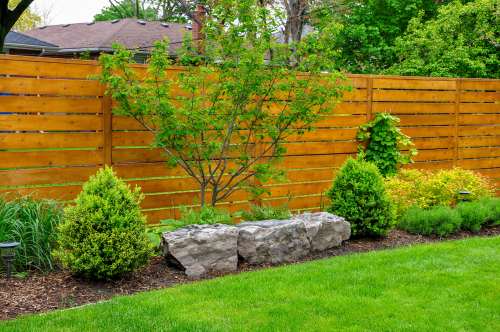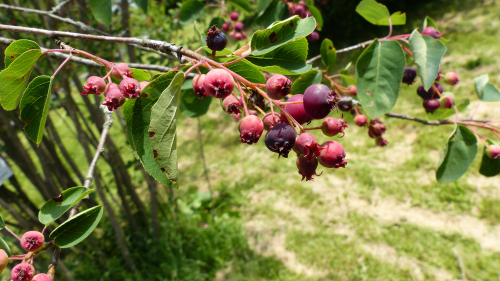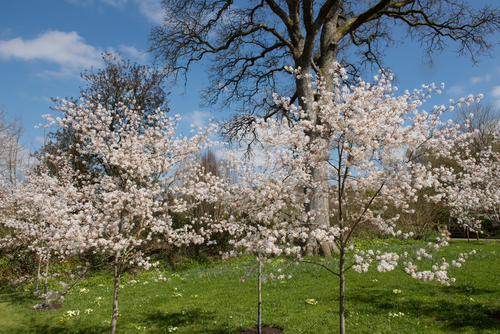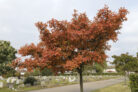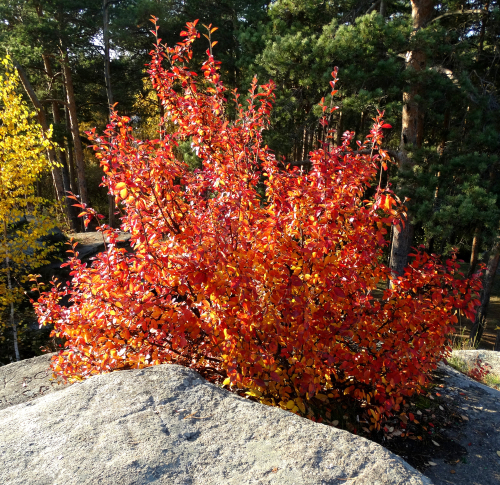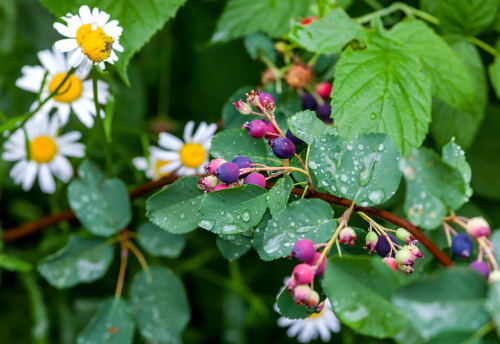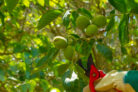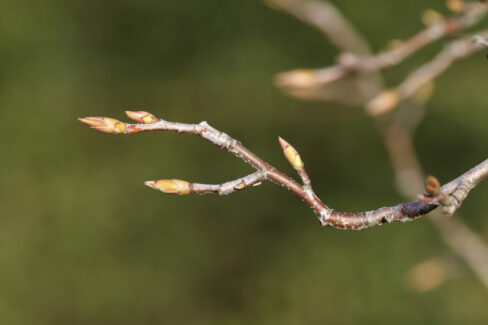
When it comes to grabbing your pruning shears, some plants are definitely more sensitive than others. The Serviceberry (or *Amelanchier lamarckii*) is one of those beauties that requires a gentle touch and a bit of “less is more” philosophy.
Don’t Go Overboard with the Pruning
When you’re pruning a Serviceberry, the golden rule is to be cautious. If you get too aggressive and cut back into the old wood, you might regret it—this plant doesn’t regenerate well from old branches. A radical hack-job almost always leaves permanent gaps in the canopy. To keep your tree looking its best, stick to thinning out specific branches rather than a total buzzcut.
Timing is Everything
The “when” depends entirely on the “why.” Depending on your goals for the season, here are the best times to head out to the garden:
- Thinning out: If you want a massive show of flowers and plenty of berries, aim for late February to early March.
- Training: If you’re shaping a young tree, February or March is also your sweet spot.
- Rejuvenation: If the plant is looking a bit tired and needs a refresh, late winter is the time to strike.
How to Properly Thin Your Serviceberry
I recommend giving your Serviceberry a light thinning once a year. Pick a bright, frost-free day toward the end of February. Start by grabbing your loppers or a pruning saw and removing at least two of the oldest main stems right at the base. To keep the plant balanced, keep an equal number of new, unbranched shoots growing from the bottom. You can clear out any other excess suckers right at the rootstock. Once that’s done, you can tidy up individual branches to give the tree the perfect shape for your yard.
A Quick Note on Local Regulations
If you’re planning a significant pruning session, make sure to get it done by late February. In many areas (and specifically under certain conservation laws), heavy pruning is restricted starting March 1st to protect nesting birds. You wouldn’t want to disturb a feathered family—or end up with a hefty fine! Stick to the late winter window, and you’ll have a happy tree and a happy local ecosystem.