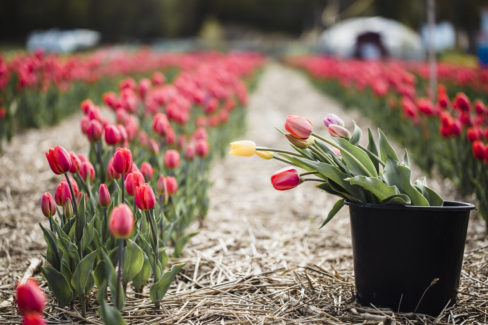
We all love them—those vibrant, shapely early bloomers that pop up everywhere from garden beds to patio containers and balcony boxes. And if you don’t have a garden of your own, there’s nothing like a fresh bouquet of tulips to brighten up your home. Unfortunately, these beauties don’t last forever. To keep your garden healthy and your vases full, you’ll need to do a little strategic trimming. With just a bit of TLC, your cut tulips can stay fresh for up to ten days!
- Why should you prune tulips?
There are three main reasons to grab your garden shears:
- To create a long-lasting bouquet for your home.
- To deadhead spent blooms and prevent the plant from wasting energy on seeds.
- To cut back the foliage entirely before the bulbs go dormant for the season.
Creating the Perfect Bouquet
If you’re cutting tulips for a vase, timing is everything. It’s best to head out in the early morning, but wait until the dew has dried off. Look for strong stems with buds that are still tightly closed but are already showing their color. Cut the stem deep down near the base.
Before they go into the water, give them a second trim. Use a sharp knife to cut off the white part of the stem until you hit the green. Then, make an additional 1/4 inch (5 mm) angled cut (a straight cut works too, but an angle increases the surface area for water intake).
Next, strip off the lower leaves so they don’t crowd the vase or sit in the water. Place them in a vase—glass is great so you can keep an eye on the water level—with about 4 inches of water. Round vases look lovely for short, sturdy tulips, while tall, slender vases are perfect for long-stemmed lily-flowered varieties. Pro tip: Change the water and give the stems a fresh trim every two days!
Deadheading Spent Blooms
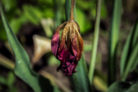
Tulips are perennials that can come back year after year if you treat them right. Most of us aren’t looking to grow tulips from scratch using seeds, so it’s best to remove the flower heads once they start to fade. Cut the main flower stalk deep down, but leave the leaves alone. By stopping the plant from putting energy into seed production, you’re helping it funnel all those nutrients back into the bulb. This ensures you’ll get another beautiful show next spring.
Cutting Back the Entire Plant
Once the blooming season is over, you’ll want to prune in two stages. First, remove the wilted flower head. The rest of the plant should stay in the ground for a while. This is when the tulip starts “recharging” its bulb, pulling nutrients from the leaves to store for next year.
If you cut the leaves while they are still green, you’re essentially starving the bulb. It won’t have the energy to bloom next year. Wait until the foliage has completely yellowed and died back before cutting it to the ground.
When is the Best Time to Cut?
You don’t need to rush the final cleanup. Here’s what to look for:
- As soon as the flower fades, snip it off to stop seed production.
- Wait for the leaves to get soft and start turning yellow.
- Once the leaves are drooping and there’s no green left, you can cut the foliage off at ground level.
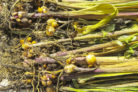
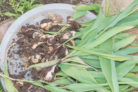
Don’t wait *too* long, though! If the leaves start to rot or get mushy, they can attract bacteria and pests that might rot the bulb itself. If you can’t stand the sight of yellowing leaves in your flower bed, you can carefully dig up the entire bulb clump and “heel them in” (replant them) in a hidden corner of the garden until they’ve fully withered.
Wild Tulip Meadows: Mow, Don’t Snip
Many gardeners love naturalized wildflower meadows with wild tulips because they are so low-maintenance. These little guys like to spread via seeds and “daughter” bulbs. You don’t need to worry about deadheading these one by one. Just wait until the whole meadow has turned brown and withered, then run the mower over it on the highest setting. This keeps the bulbs safe in the ground while cleaning up the area for summer.
Common Tulip Trimming Mistakes to Avoid
Leaving dead flowers on the stem: This wastes the bulb’s energy on seeds. As soon as the petals drop, snip the head off!
Cutting green leaves: This is the biggest no-no. Green leaves are the bulb’s power source. Only cut them back when they are totally yellow and withered.
Forgetting to trim vase tulips: If you don’t give your cut flowers a fresh snip, they won’t be able to drink. Always trim the stems before they go in the vase and every time you change the water!