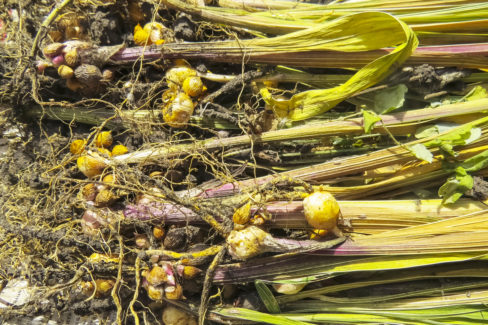
Spring in the garden is usually all about those gorgeous tulip blooms. But as the days get warmer and summer starts knocking on the door, even the late-bloomers begin to fade. The leaves turn yellow, the seed pods start to swell, and many gardeners are left wondering: “What on earth do I do with these now?”
Summering Your Tulips
To keep your tulips happy, keep watering them and maybe toss them a little compost until they naturally die back. When it comes to the bulbs themselves, you’ve got two choices: leave them in the ground or dig them up. If you leave them, just wait until the leaves are totally dried out before cutting them back. The bulb will hang out underground through summer and winter, gathering strength for next year. However, over time, bulbs tend to sink deeper into the soil, making it harder for new shoots to reach the light. Plus, you’ve got to watch out for hungry voles or soggy soil that can cause rot. Eventually, bulbs left alone often just disappear.
If you want to keep your tulips looking vibrant year after year, the best move is to dig them up and rotate their spot every few seasons. The golden rule? Wait until the foliage is completely brown and crispy before you dig. The plant is busy pulling all that energy from the leaves back into the bulb to fuel next year’s growth.
When you’re ready to dig, grab a garden fork—it’s much gentler on the bulbs than a shovel. Here’s your game plan:
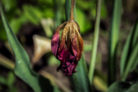
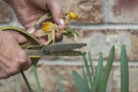
- Snip off the flower heads right after they fade so the plant doesn’t waste energy making seeds.
- Leave the leaves alone until they are 100% dried out.
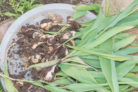
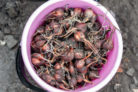
- Carefully lift the bulbs out of the soil.
- Give them a gentle cleaning.
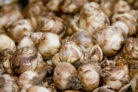
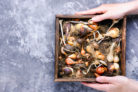
- Store them somewhere airy, cool, dry, and dark.
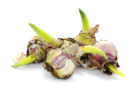
Before you tuck your bulbs away for their summer nap, give them a quick check-up. If you see any rot or bite marks from critters, toss those bulbs in the trash—don’t put them in the compost, or you might spread diseases! Once you’ve picked out the healthy ones, let them air dry completely before storing. Pro tip: If you don’t want a total mystery garden next spring, sort them by variety and label your containers (paper bags work great for this!).