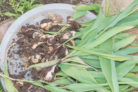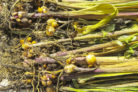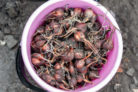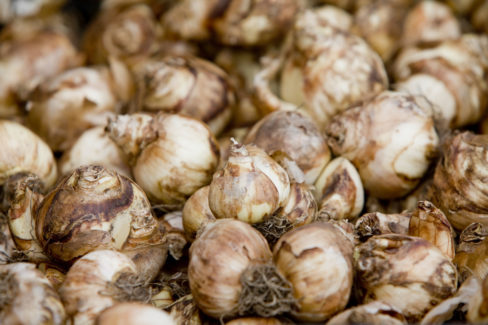
By the end of May, most of our favorite tulips have finished their big show, making way for the vibrant colors of summer. But don’t toss those bulbs just yet! You can actually save your tulips and store them over the summer to use again in the fall. If you store them correctly, you’ll be rewarded with another gorgeous display next spring. Here’s how to make sure your “summer vacation” for your bulbs is a total success.
How to Properly Dig Up and Store Tulip Bulbs
The golden rule is: don’t be too quick with the shovel. You should only dig up and store the bulbs once the foliage has completely withered and turned yellow. Those dying leaves are actually busy pumping nutrients back into the bulb, creating an energy reserve that helps the tulip survive its dormant period. Here’s your game plan for prep:
- Wait until the leaves are totally withered before digging.
- Loosen the soil gently with a garden fork.
- Use a small trowel or your hands to lift the bulbs out.
- Try to keep as much of the root system intact as possible.
- Brush off any loose dirt.
- Use a sharp knife to trim away the dried-out foliage.
Getting Ready for Storage
Tulips love a storage spot that is cool (ideally between 40°F and 50°F), dark, and has plenty of airflow. Before tucking them away, give them a quick once-over with a soft brush. This makes it easy to spot any damage. If you find any bulbs that are mushy, rotten, or look like they’ve been chewed on by pests, toss them in the trash immediately. Avoid the compost pile for these, as you don’t want to risk spreading diseases or pathogens into your garden soil later.
Now, you just need to find the right spot. Here are a few tried-and-true methods for keeping them happy:
- Place them in a wooden crate lined with newspaper, making sure the bulbs aren’t touching each other.
- Lay them out individually on a wooden rack.
- Wrap bulbs individually in paper or garden fleece and set them on a shelf.
- Store them in a box filled with sand, keeping plenty of space between each bulb.
If you have late-blooming tulip varieties, they might still have green leaves in May even after the flowers fade. If you need that garden space for your summer annuals right now, you can carefully transplant the tulips—root ball and all—to a quiet, hidden corner of your yard. They can finish “recharging” their energy there in peace until the leaves dry up.
Maintenance During the Summer Break
To keep your garden organized, I highly recommend sorting your bulbs by color and variety before storing them. Label each container so you aren’t playing a guessing game come planting season!
Once they’re tucked away, tulip bulbs are pretty low-maintenance, but you should still check on them occasionally. Your biggest enemies are mice—they think tulip bulbs are a five-star snack! If you have a rodent problem, a fine wire mesh cage can save your stash. Keep an eye out for mold, too. If you see a bulb starting to turn, get rid of it quickly so it doesn’t infect its neighbors. Follow these steps, and you’ll be all set for a beautiful spring!