Once your tulips have finished blooming and the foliage has turned brown, it’s time to think about digging them up. If you store them correctly, they’ll make it through the summer just fine and be ready to head back into the dirt come fall.
Why bother digging up tulip bulbs?
Technically, you don’t *have* to dig up your tulips. They can stay in the ground, recharge, and sprout again next spring. However, leaving them down there has its downsides. For one, bulbs tend to “sink” deeper into the soil over time; eventually, they get so deep they don’t have the energy to reach the surface. Plus, hungry voles might snack on them, or excess moisture deep in the ground can cause them to rot.
While digging them up is a bit more work, it gives the bulbs a much better chance to recover. Here are the perks of taking them out:
- You don’t have to look at messy, withered leaves in your flower beds.
- The bulbs stay dry and safe from summer rot.
- You can sort your bulbs by color and variety.
- You can toss out any damaged or diseased bulbs immediately.
- It’s much easier to garden in those beds during the fall when you aren’t worried about accidentally slicing into a hidden bulb.
How to dig up tulip bulbs the right way
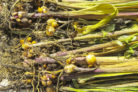
After the flowers fade, leave the plants in the ground until the leaves have completely yellowed and withered. This is super important! The plant is pulling all its remaining nutrients from the leaves and storing them in the bulb. This gives it the energy it needs to survive the summer and bloom again later. Here’s your step-by-step guide:
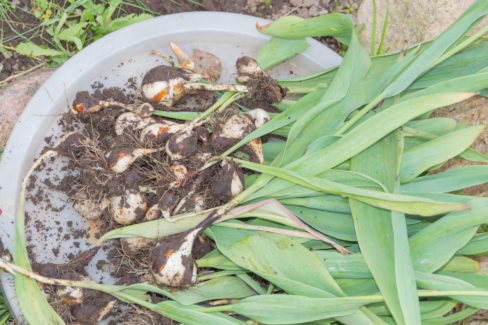
- Loosen the soil with a garden fork and lift the bulbs out with a small trowel.
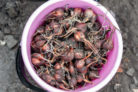
- Shake off any loose dirt.
- Check each bulb for soft spots or damage.
- Throw any rotten bulbs straight into the trash (don’t compost them!).
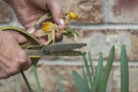
- Trim off the withered leaves.
- Use a small brush to clean off any remaining soil.
- Let the bulbs air dry for a bit.
- Store them in a dark, well-ventilated spot.
The perfect storage spot
Once your tulip bulbs are clean and dry, they’re ready for their summer nap. You’ll want a spot that is airy and dry—a cool basement is usually perfect. Just make sure it’s not damp, or you’ll run into mold issues. Before tucking them away, give them one last look to check for fungus or pests. If they look healthy, wrap them individually in newspaper and place them in a wooden crate. You can also store them on a wire rack or in a box filled with dry peat moss. To keep mice from turning your bulbs into a snack, cover the crate with a fine wire mesh.