Do you head straight to the doctor the second you feel a little under the weather? Don’t get me wrong—preventative care and checkups are super important. But sometimes, the best “medicine cabinet” is actually growing right in your own backyard! Nature provides us with so many incredible healing plants, and unfortunately, most people walk right past them. Red Clover (*Trifolium pratense*) is one of those hidden gems. Let’s dive into why this plant is a total game-changer and how you can start using it today.
Health Benefits for You
Red Clover isn’t just a tasty addition to your kitchen; it’s a nutritional powerhouse. This little plant is packed with:
- Vitamin C
- B Vitamins
- Essential minerals (like magnesium, calcium, and potassium)
- Flavonoids (powerful plant compounds)
Plus, the seeds are a great source of protein, which helps keep those muscles strong!
Healing Properties
Thanks to that impressive nutrient list, Red Clover works on the body in some pretty cool ways. It is:
- Blood-purifying
- Diuretic (helps flush out the system)
- Anti-inflammatory
- Antispasmodic (great for cramps)
What Can It Help Treat?
Did you know that Red Clover has been a staple in traditional medicine for ages? It’s incredibly versatile and can offer relief for a whole laundry list of issues, including:
- Vision problems
- Breast inflammation (mastitis)
- Bronchitis
- High cholesterol
- Sore throats and coughs
- Bone density loss (osteoporosis)
- Menstrual cramps
- Liver sluggishness
- Prostate issues
- Menopause symptoms
- Vaginal discharge
- Bleeding gums
How to Use Red Clover
Most doctors today go straight for the prescription pad. But if you’re looking for a gentler way to manage minor symptoms, you can easily create your own natural remedies with Red Clover. Here are a few of my favorite ways to use it:
Creams and Salves
When mixed into creams, Red Clover helps your skin cells retain moisture better—perfect for that healthy glow!
Relaxing Baths
Toss some blossoms into your bathwater. It’s not just relaxing; it’s a fantastic remedy for eczema, psoriasis, and itchy skin.
Red Clover Oil
Infused oils are wonderful for general skincare and keeping your skin soft and supple.
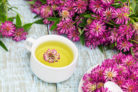
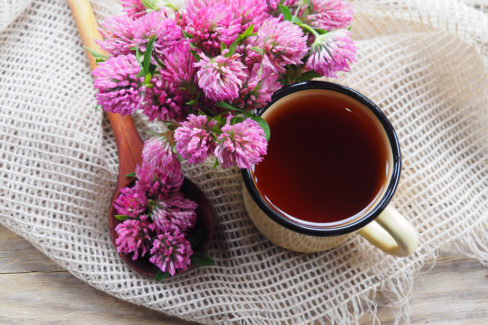
Red Clover Tea
If you’re dealing with a cough, trouble sleeping, or high cholesterol, try a warm cup of tea:
- Steep 4 to 6 teaspoons of dried blossoms in about 8 ounces of hot water.
- Let it sit for 10 minutes, strain, and enjoy.
Tinctures
Tinctures can be used internally or applied topically to help clear up stubborn skin issues like eczema.
Pro Tip: To soothe breast inflammation, soak a cloth in a strong Red Clover infusion and use it as a warm compress.
Foraging for Red Clover
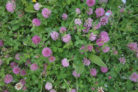
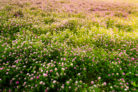
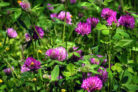
Don’t have any in your garden yet? No worries! Keep an eye out in local meadows for these identifying marks:
- Grows up to about 12 inches high.
- Stems are slightly hairy and often have a reddish tint.
- Leaves come in groups of three, usually with a distinct white “V” or crescent shape in the center.
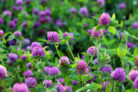
- Flower heads are reddish-pink and made up of many tiny individual tubular flowers.
Pro Tip: Red Clover is a great “beginner” herb because it doesn’t really have any poisonous look-alikes. You can forage with confidence!
In the Kitchen
Beyond its medicinal uses, Red Clover is just plain delicious. You can get creative with it in the kitchen:
- Add it to sweet or savory dishes.
- Toss the leaves and flowers into salads or soups.
- Boil it down into a sweet syrup or jelly.
Pro Tip: The blossoms make a stunning edible garnish. Sprinkle them over your favorite summer dishes to really wow your guests!